



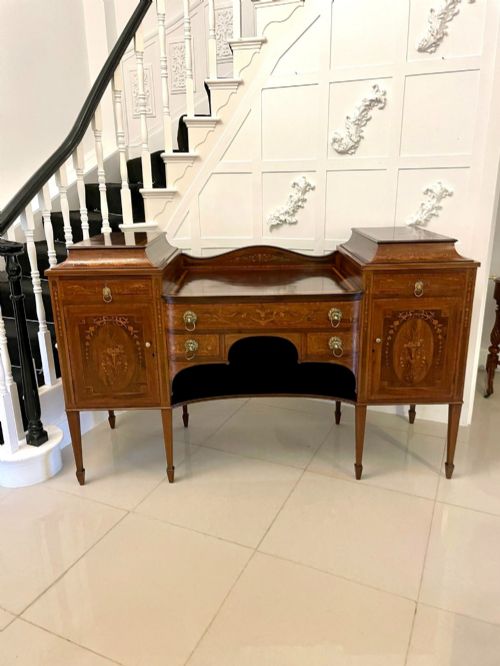
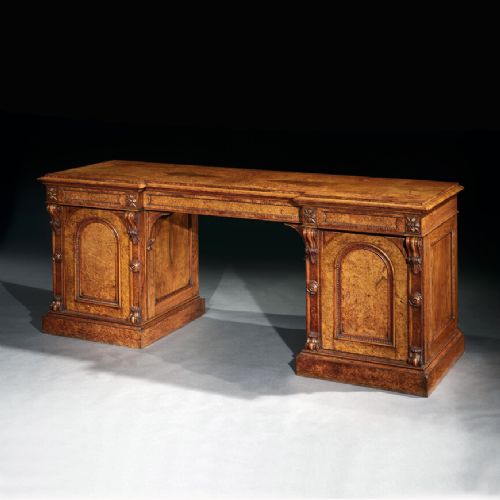
Pedestal Dining Furniture
These pedestal dining furniture pieces bring architectural dignity and flexible seating to period rooms.
Pedestal Dining Furniture
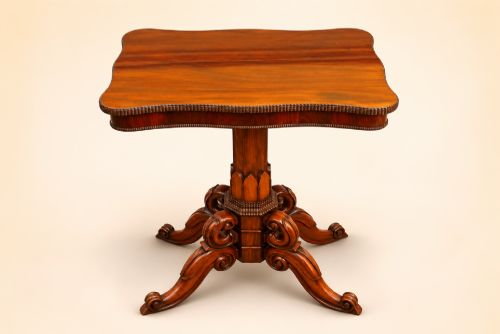
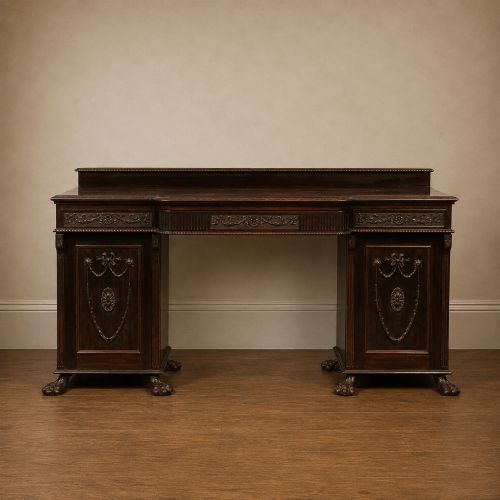
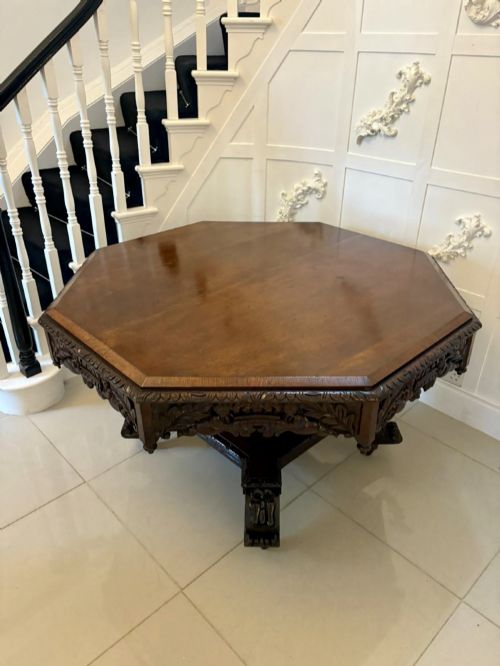
Pedestal dining furniture encompasses dining tables, centre tables, and sideboards originating from the eighteenth, nineteenth, and early twentieth centuries. When searching for pedestal dining furniture, buyers encounter substantial timber tables supported by central columns or pedestals rather than traditional corner legs, allowing for easier seating arrangements.
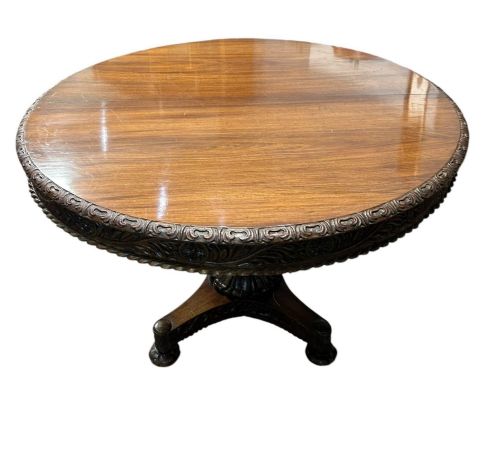
The pieces on this page span Georgian, Regency, Victorian, and Edwardian periods, alongside Art Deco and Anglo-Indian designs. Round tilt-top tables, loo tables, and large mahogany or rosewood dining suites dominate the selection, reflecting formal dining habits of past centuries.
Materials and construction methods
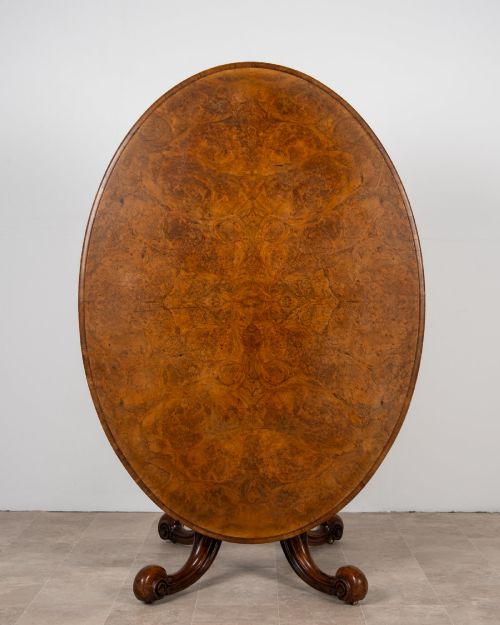
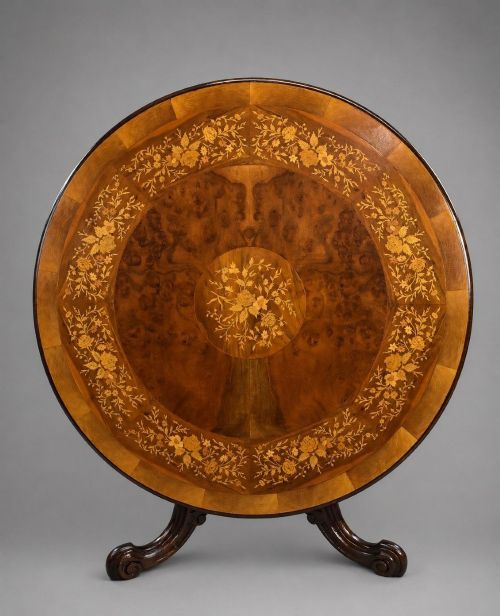
Cabinetmakers utilised dense hardwoods such as mahogany, rosewood, burr walnut, and oak to construct these robust dining tables and sideboards. Timber selection prioritized rich grain figures, often enhanced by marquetry inlay, satinwood, or brass details.
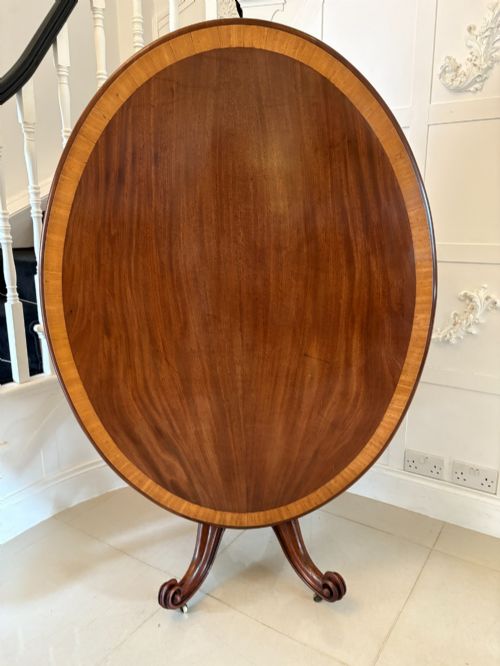
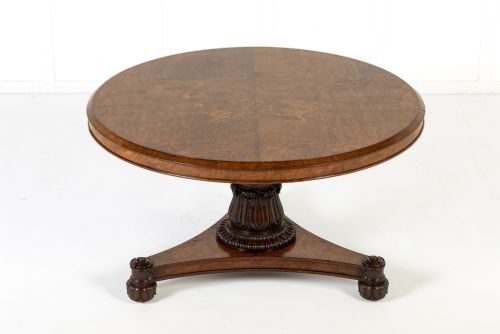
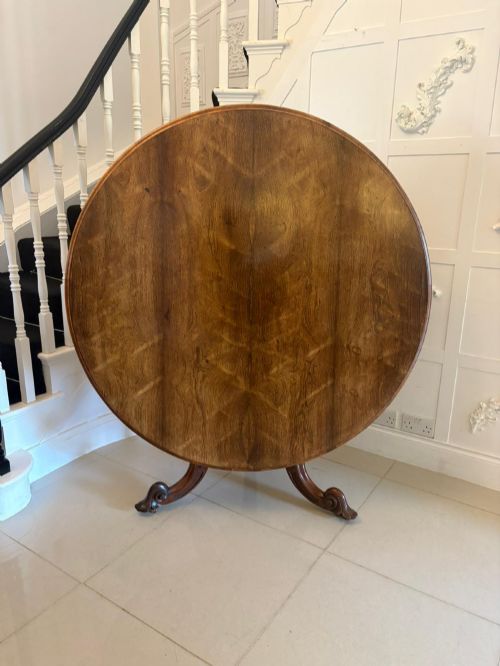
Pedestal bases required heavy internal weighting or substantial three- or four-way carved legs to support large circular or oval tabletops safely. Tilt-top mechanisms utilised brass catches and pivots to allow the surface to stand vertically against a wall when not in use.
Pedestal Dining Furniture Retail Price Guide 2026
Typical asking prices for pedestal dining furniture among the pieces listed under this phrase on Sellingantiques today, from the lower quarter to the upper quarter. They describe what is for sale here now, not the wider market.
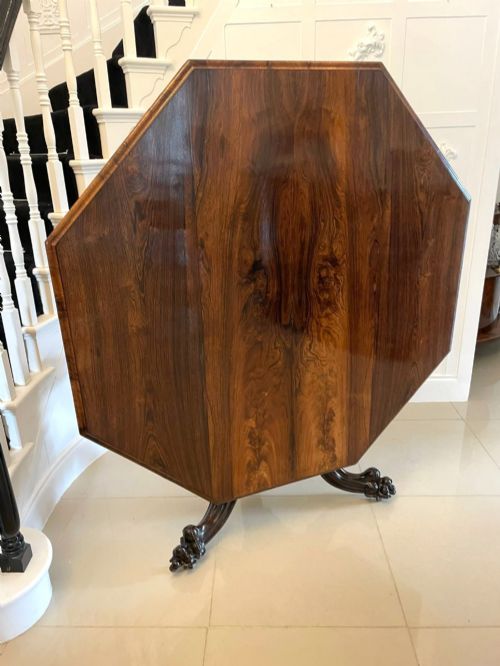
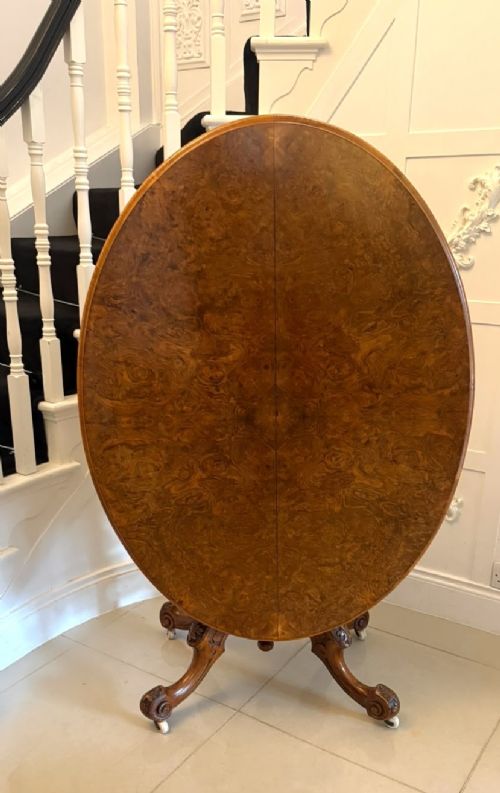
Several dining tables on this page tilt completely vertical, proving that nineteenth-century furniture could double as wall art when the card game ended.
Distinctions in quality
Quality rests in the selection of the timber veneer, such as highly figured burr walnut or matched mahogany flames, and the crispness of the hand-carved foliage upon the pedestal and feet. Superior examples display seamless joints and stable pedestal bases that prevent rocking under weight.
Workmanship from established cabinetmakers and documented firms demonstrates refined proportions, balanced marquetry work, and robust tilt-top hardware that operates smoothly without play in the centre column.
Gillows·Hewetsons London·Wylie and Lochead·Walker Lancaster
The Pedestal Dining Furniture Glossary
- Tilt-top table
- A table with a mechanism that allows the top to rotate and lock into a vertical position for storage.
- Centre table
- A freestanding table designed to be viewed from all sides, frequently placed in the middle of a large room.
- Loo table
- A large round or oval Victorian table originally used for the popular card game loo.
- Marquetry
- Decorative patterns formed by fitting together thin slices of wood veneer and other materials on a surface.
- Pedestal
- A single central support pillar carrying the weight of a heavy tabletop.
Pedestal Dining Furniture: Frequently Asked Questions
How do I seat six people comfortably?
Round pedestal tables measuring around four to five feet in diameter generally accommodate six diners without corner legs obstructing chairs.
Selecting a design with a sturdy pillar base ensures diners can stretch their legs freely beneath the top.
What is a tilt-top mechanism used for?
The tilting mechanism allows the heavy wooden top to swivel flat or stand vertically against a wall when the room needs to be cleared.
This practical feature was common in larger nineteenth-century homes to maximise floor space between meals.
How do I identify a Regency pedestal table?
Regency tables typically feature dark mahogany timbers, brass paw feet or casters, and heavy reeded or turned central pillars.
Stylistic influences from the early nineteenth century often include parcel gilt highlights and classical architectural proportions.
Where should I place a centre table?
Centre tables are designed as freestanding pieces intended to sit in the middle of a room rather than pushed against a wall.
They serve as striking focal points for displaying lamps, books, or decorative objects in large entrance halls or drawing rooms.