



Patterned Woven Throw
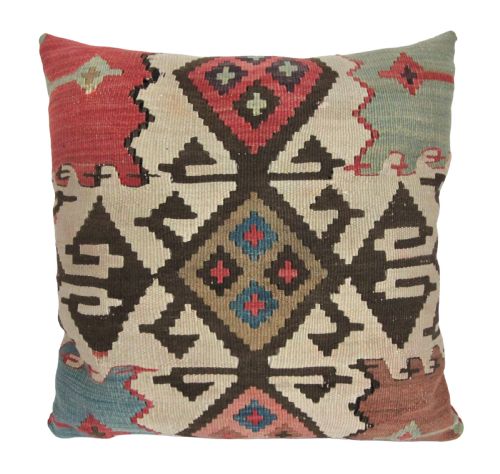
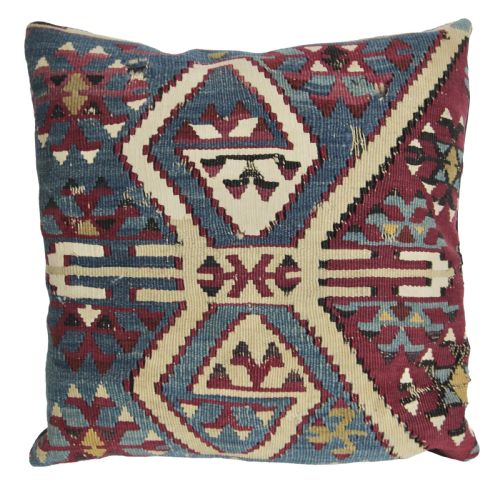
These patterned woven throw pieces bring rich texture and heritage pattern into a modern room, anchored by antique kilim cushions and wool shawls.
Patterned Woven Throw
A patterned woven throw search gathers textiles, cushions, and coverlets that showcase traditional techniques across different periods.
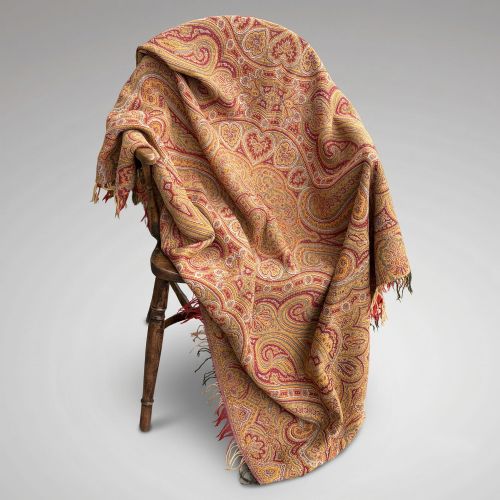
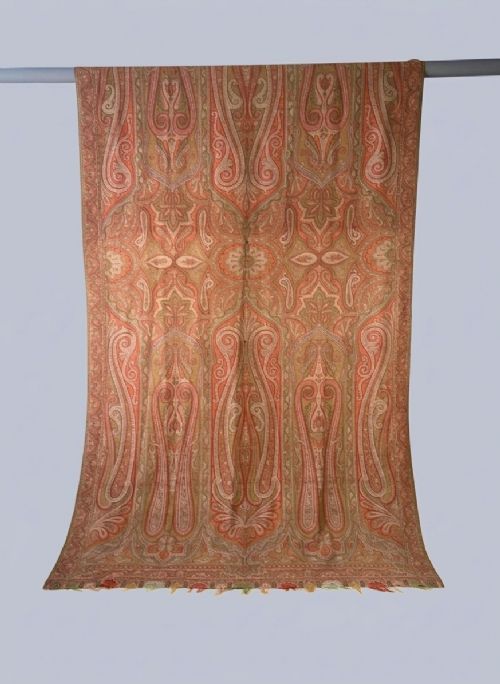
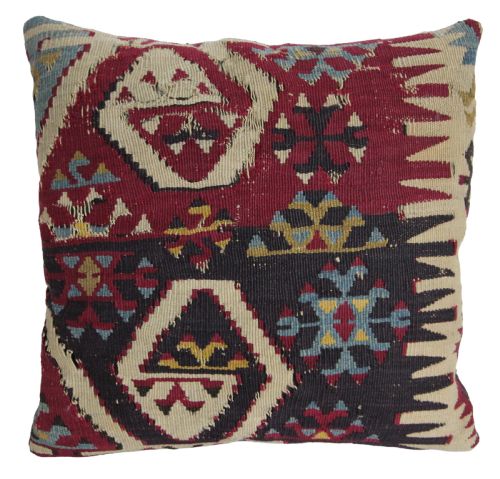
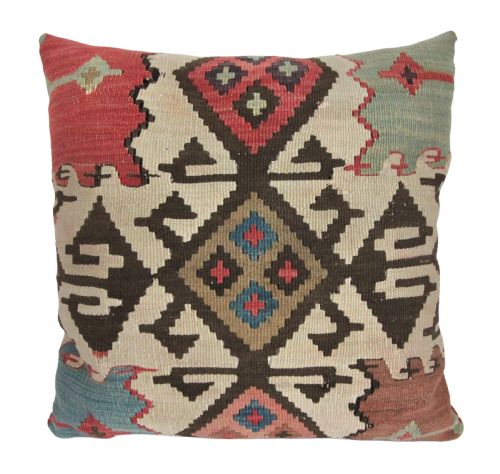
The pieces most frequently met on this page include antique kilim cushions alongside 19th century Scottish and Victorian paisley wool shawls.
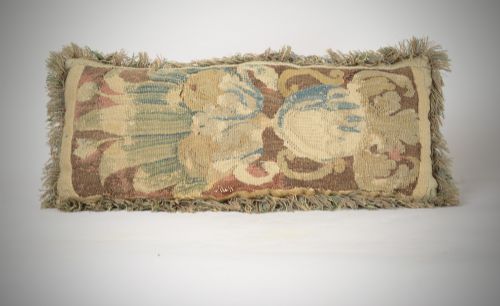
Origins span from Anatolian tribal traditions to Victorian folk art and 17th century style pieces, offering diverse visual character for interiors.
How they were made
Materials recorded in the evidence rely upon natural fibres, predominantly wool, cotton, and linen, which provide durability and depth of colour.
Makers utilised flat-weaving and tapestry techniques to construct dense bag faces, shawls, and heavy coverlets designed for everyday warmth or decoration.
Patterned Woven Throw Retail Price Guide 2026
Typical asking prices for patterned woven throw among the pieces listed under this phrase on Sellingantiques today, from the lower quarter to the upper quarter. They describe what is for sale here now, not the wider market.
Nomadic weavers often repurposed functional storage bag faces into decorative cushions, giving practical travelling gear a comfortable second act in period homes.
What varies in quality
Quality rests upon the tightness of the weave and the complexity of the traditional pattern, distinguishing simple production from intricate tribal or folk art.
The preservation of natural fibre integrity across wool and cotton determines how well a textile holds its structure and visual impact over time.
The Patterned Woven Throw Glossary
- Kilim
- A flat-woven carpet or rug without pile, frequently repurposed here into durable cushions.
- Paisley
- A patterned textile featuring a distinctive curved feather motif, popular in Scottish and Victorian production.
- Coverlet
- A heavy bedspread or decorative fabric layer, often woven from wool or cotton during the nineteenth century.
- Tapestry
- A form of textile art woven by hand on a loom, offering pictorial or geometric designs.
- Bag face
- The decorative front panel of a nomad's storage bag, harvested and converted into small cushions.
Patterned Woven Throw: Frequently Asked Questions
What is a patterned woven throw?
It is a grouping of historic textiles, such as kilim cushions, paisley shawls, and heavy coverlets, selected for their decorative weave and heritage patterns.
These pieces bring historical depth and tactile warmth to living spaces through traditional material construction.
How were these antique textiles used?
Historic pieces served as garments, bedding, or nomadic storage containers before being adapted into modern interior decor elements.
Shawls provided personal warmth, while flat-woven panels functioned as utilitarian bags or coverings in domestic and tribal settings.
How do I care for antique wool textiles?
Natural fibres like wool require gentle handling, minimal moisture, and protection from direct sunlight to preserve their natural dyes and structural integrity.
Regular light dusting and careful rotation prevent uneven wear and maintain the appearance of the fabric.
How can I tell the period of a textile?
Dating relies upon stylistic markers, material analysis, and structural methods characteristic of Victorian, nineteenth-century, or earlier periods.
Examining the specific weave and regional design traits helps place an item within its historical context.