

Patterned Wool Floor Carpet
A patterned wool floor carpet brings warmth and texture to a room, drawing on traditions from Persian, Central Asian, and Ottoman workshops.
Patterned Wool Floor Carpet
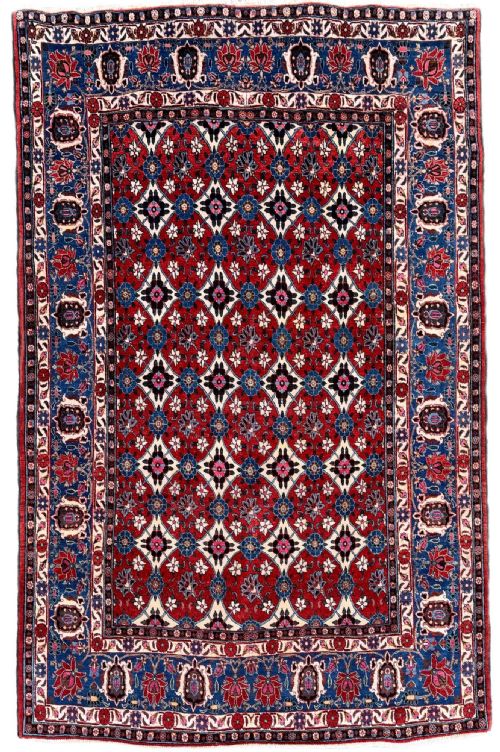
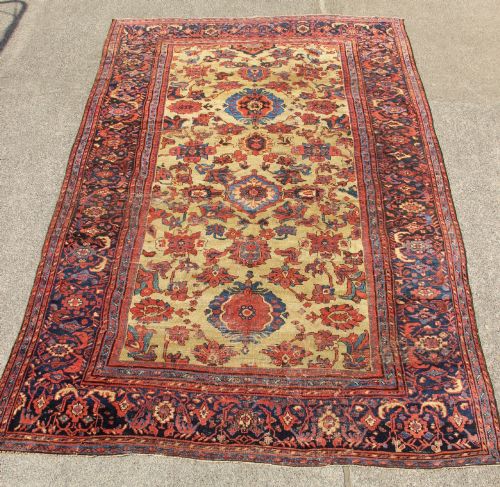
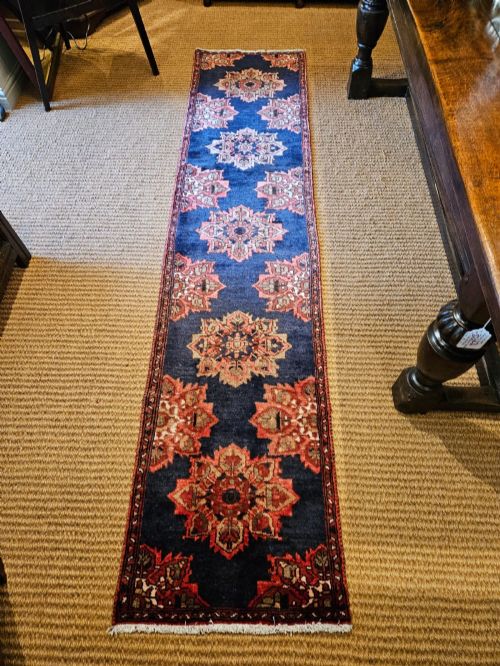
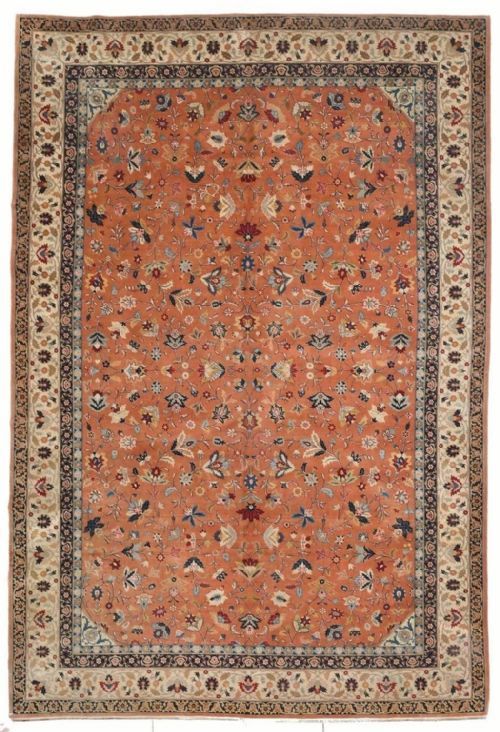
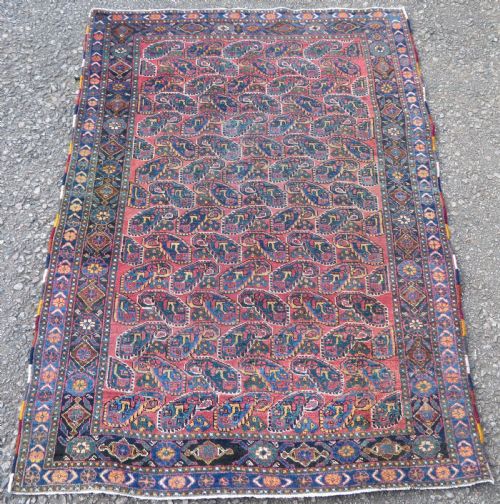
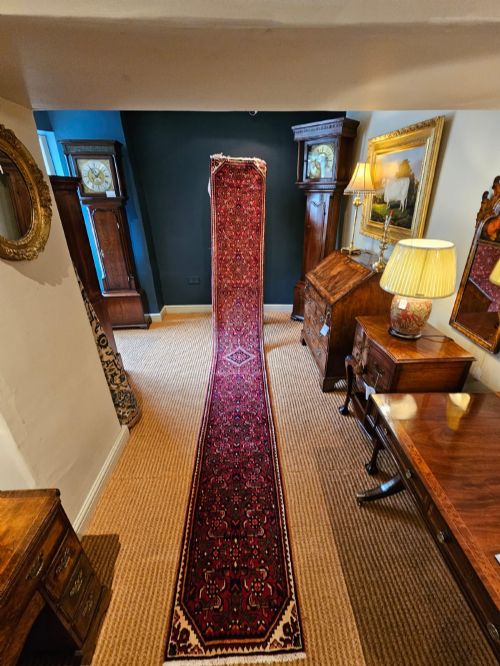
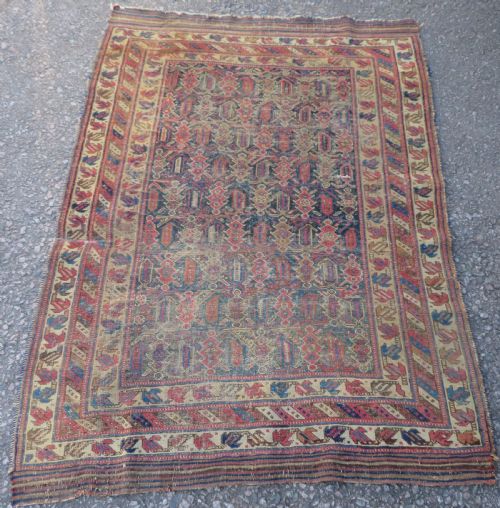
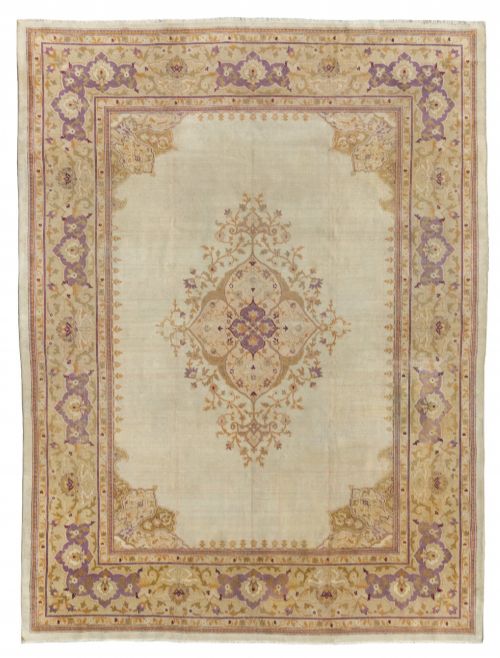
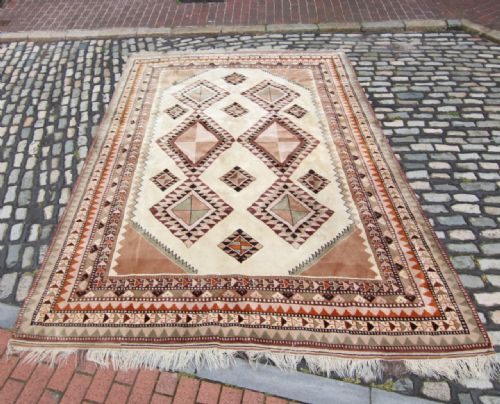
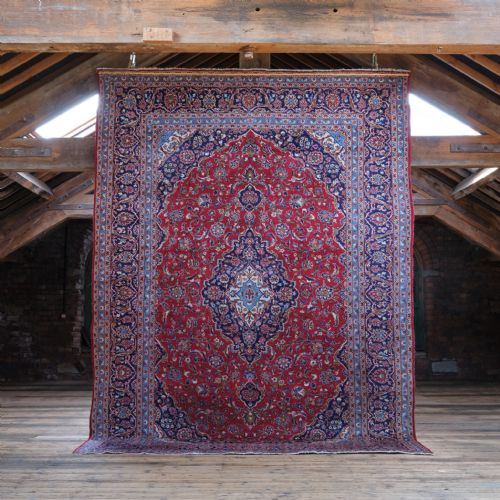
When you search for a patterned wool floor carpet, you encounter floor coverings spanning from the late nineteenth century through to the mid-twentieth century. The selection includes full-sized carpets, smaller area rugs, and long hallway runners designed for specific architectural spaces.
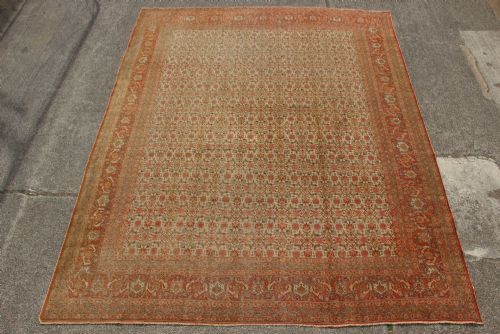
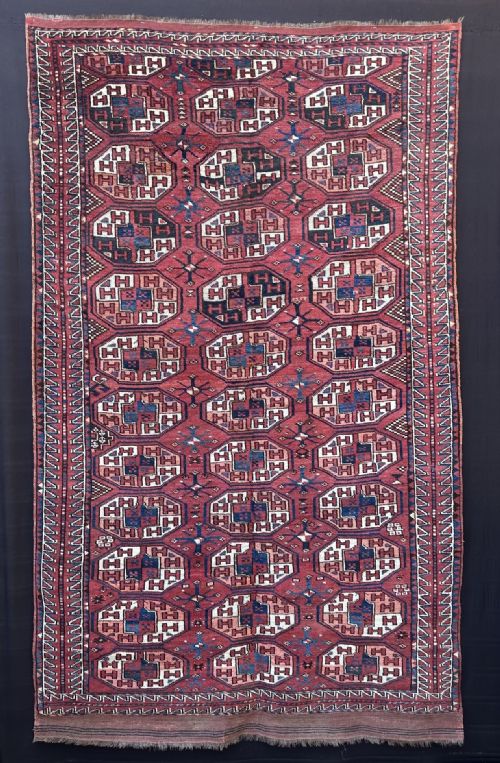
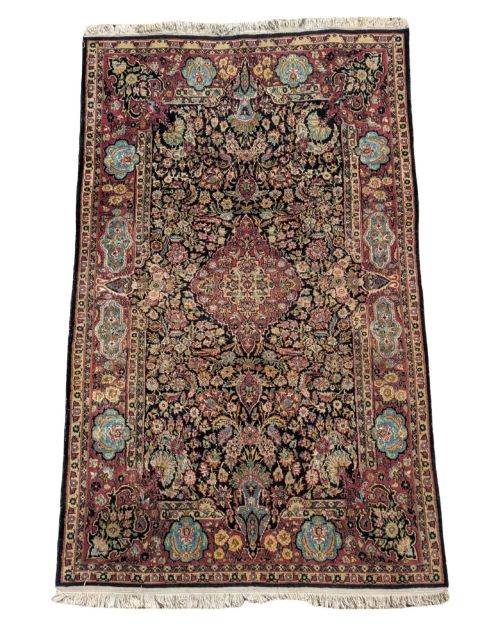
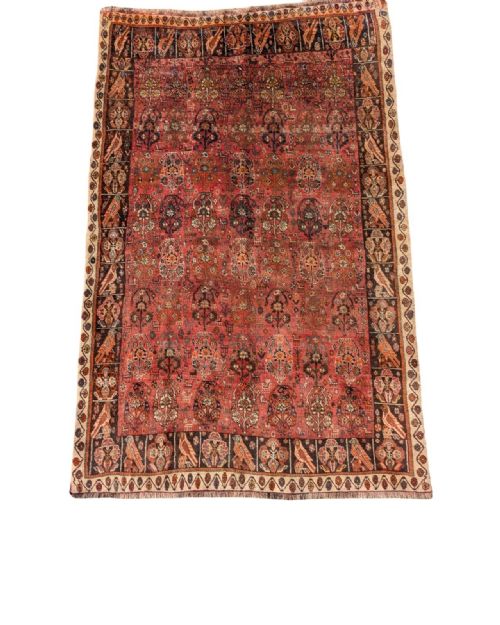
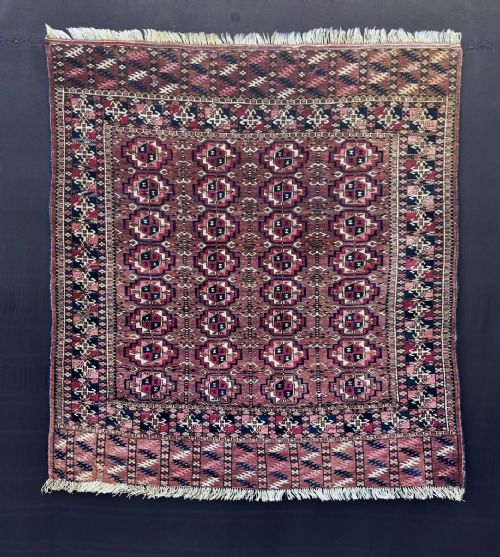
The pieces originating from Persia form the largest group, categorised by regional workshops and tribal traditions such as Heriz, Tabriz, Kashan, and Afshar. Alongside these, you find Central Asian tribal weavings from Turkmenistan and Ottoman or Anatolian examples from regions like Oushak.
Forms range from palace-sized carpets down to compact hearth rugs and narrow runners. Many of these floor coverings reflect traditional designs passed down through generations of weavers within specific communities.
Materials and construction
These floor coverings utilise natural wool as the primary fibre, occasionally combined with cotton foundations and touches of silk for highlights. Natural dyes provide the palette, creating deep tones that age gracefully over decades of use.
Makers constructed these pieces using hand-knotted and flat-weave techniques, securing dense piles that provide durability under foot. The integration of wool and cotton gives each carpet structural stability while maintaining flexibility.
Listings span periods from the nineteenth century through the 1940s, featuring wool, cotton, and silk materials.
Distinctions in quality
Knot density and precision of the pattern distinguish the finer examples from standard village pieces. A tighter knot count allows for sharper execution of intricate geometric and floral motifs.
The quality of the wool and the depth of the natural dyes separate exceptional floor coverings from simpler productions. Superior wool retains its resilience and lustre, while well-fixed natural dyes develop a richer patina over time.
Kizyl Ayak Tribe·Teke Tribes·Kashgai Tribe·Afshar Tribe
The Patterned Wool Floor Carpet Glossary
- Runner
- A long, narrow carpet format specifically suited for hallways, corridors, and staircases. These pieces guide movement through domestic spaces.
- Pile
- The vertical or diagonal loops of yarn that form the usable surface of a carpet. Hand-knotted piles provide cushioning and warmth under foot.
- Flat weave
- A textile produced without a raised pile, created by interweaving warp and weft threads. Examples include kilims which offer a lighter, thinner profile on the floor.
- Natural dye
- Colourants derived from plants, insects, and minerals rather than synthetic compounds. These dyes yield harmonious, complex hues that mellow gracefully.
- Warp
- The stationary lengthwise threads stretched on a loom that form the structural foundation of a carpet. Weft threads are inserted across these to hold the knots in place.
Patterned Wool Floor Carpet: Frequently Asked Questions
How do I choose the right size for a hallway?
Measure the length of your corridor while leaving an equal margin of exposed floor around the edges to frame the textile properly. Runners in this selection come in various lengths to suit narrow passages.
Ensure doors can swing freely over the thickness of the pile without catching. Selecting the correct runner length prevents awkward transitions between rooms.
What is the difference between a rug and a carpet?
Carpets generally refer to larger floor coverings designed to anchor an entire room's furniture arrangement. Rugs typically cover smaller specific zones within a space.
Both categories utilise wool and cotton construction methods, but their scale dictates how you position them in an interior layout.
How do I care for a wool floor covering?
Vacuum gently using suction attachments without a rotating brush roll to protect the hand-knotted pile from damage. Professional cleaning suited for natural fibres maintains the condition over the years.
Keep the textile out of direct, harsh sunlight to prevent the natural dyes from fading prematurely. Rotating the piece periodically ensures even wear across high-traffic areas.
How can I tell tribal carpets apart from workshop pieces?
Tribal pieces display spontaneous, geometric designs reflecting nomadic traditions, often woven from memory without formal preparatory cartoons. They frequently feature motifs tied to specific groups like the Afshar or Turkmen.
Workshop carpets from centres like Tabriz or Kashan exhibit precise, symmetrical floral curves and elaborate medallion layouts executed by coordinated weavers.