




Patterned Fabric Dining Chairs
Patterned fabric dining chairs bring pattern and colour to the table, and these period examples combine sturdy timber frames with characterful textile upholstery.
Patterned Fabric Dining Chairs
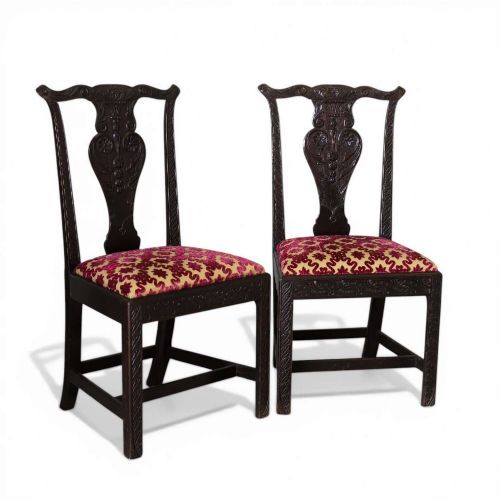
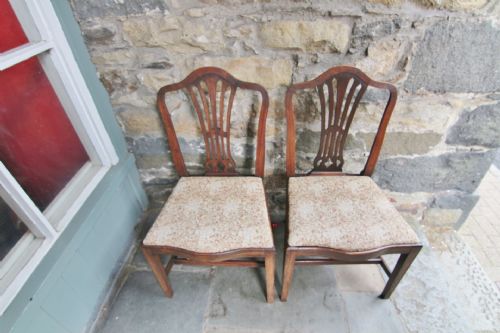
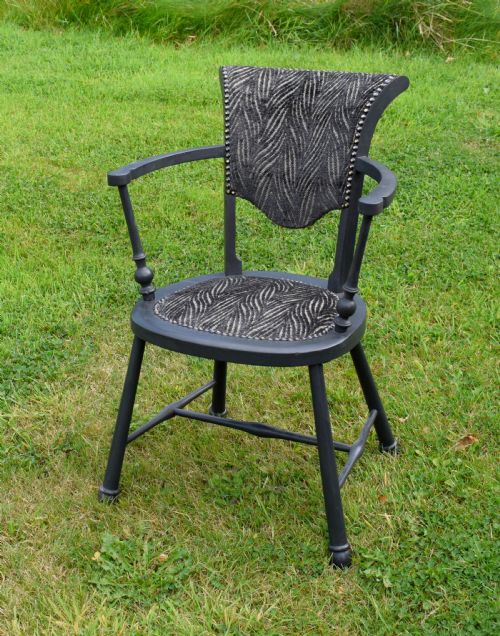
Patterned fabric dining chairs cover various seating forms designed for the dining table, ranging from single side chairs to sets of matching chairs and occasional armchairs. The pieces available span several eras, including the eighteenth century, the Victorian period, and the early twentieth century.
Buyers will encounter items built from traditional timbers such as mahogany, oak, and walnut, alongside frames shaped in Victorian, Georgian, Art Deco, and Arts and Crafts styles. Forms include balloon backs, elbow chairs, and salon chairs, offering distinct silhouettes for period and eclectic interiors.
How they were made
Makers constructed the structural frames of these seats using solid hardwoods like mahogany, oak, and walnut, employing traditional joinery to ensure lasting stability. Brass details sometimes appear on specific framework elements, adding subtle metallic contrast to the timber.
Upholstery involves fabric fixed over supportive padding, utilising materials such as velvet and contemporary or traditional textile designs. Frames often display carved ornamentation, inlaid details, or painted finishes depending on the prevailing style of the period.
Some dining chairs come in sets of eight, ensuring nobody is left standing when the feast begins.
What varies in quality
Quality rests in the crispness of the timber carving and the structural integrity of the joints, where tight construction separates superior examples from lesser pieces. The choice of primary timber, from plain oak to finely figured mahogany and walnut, dictates the baseline refinement of the frame.
The sophistication of the upholstery work and the durability of the textile contribute significantly to the overall merit of the chair. Matching sets demonstrate greater uniformity and preservation than assembled groups gathered over time.
The Patterned Fabric Dining Chairs Glossary
- Side chair
- A chair without arms designed primarily for use at the dining table. These pieces offer compact seating while showcasing the timber frame and upholstered seat.
- Balloon back
- A chair back shaped in a continuous curved oval resembling a balloon, popular during the Victorian era. This design provides ergonomic support while highlighting the grain of walnut or mahogany frames.
- Elbow chair
- An armchair with shorter arms that do not extend the full length of the seat, often used at the head of a dining table. They provide additional comfort without taking up excessive space.
- Inlaid
- Ornamentation created by fitting contrasting strips of wood or other materials into depressions carved into the primary timber surface. This technique adds decorative geometric or floral patterns to salon and dining chairs.
Patterned Fabric Dining Chairs: Frequently Asked Questions
How do I care for antique upholstery?
Protect the fabric from direct sunlight to prevent fading and gentle vacuuming removes surface dust. Professional cleaning maintains the condition of delicate textiles without damaging the underlying padding.
Wooden frames benefit from occasional waxing with appropriate formulations to nourish the timber surface. Avoid excess moisture near both the fabric and the structural joints.
Are these chairs suitable for daily use?
Many period dining chairs remain robust enough for everyday meals when the underlying joinery is sound. Checking the stability of the frame ensures the piece handles regular weight safely.
Lighter salon or decorative chairs suit occasional use better than heavy dining forms. Matching the chair's construction to its intended room usage preserves its longevity.
How do I identify a Victorian chair?
Victorian seating frequently utilises walnut or mahogany, often featuring characteristic shapes like the balloon back. Stylistic markers include robust proportions and carved ornamentation typical of the nineteenth century.
Fabric choices on these pieces range from period-appropriate textiles to contemporary replacements. Examining the timber finish and joinery style helps confirm the era of manufacture.
Can I mix different chair styles together?
Combining different chair styles around a dining table creates a collected, eclectic interior aesthetic. Maintaining a common element, such as timber type or fabric tone, helps unify mismatched seating.
Armchairs work well positioned at the table ends while side chairs line the sides. Balancing heights and proportions keeps the overall arrangement visually cohesive.