



Patinated Bronze Mask
A patinated bronze mask brings classical gravity and ancient ritual presence into a room.
Patinated Bronze Mask
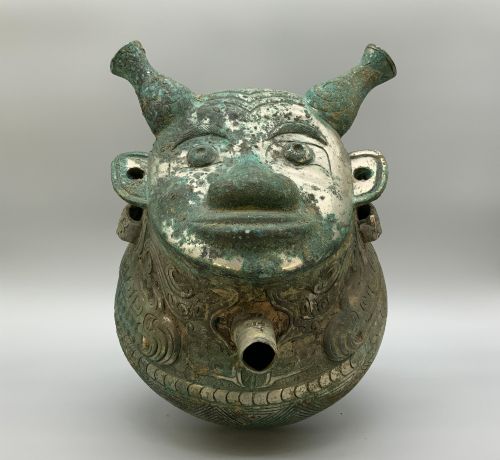
A patinated bronze mask encompasses figurative sculptures, ritual vessels, architectural hardware, and decorative urns featuring human or mythical visages. When exploring a patinated bronze mask, buyers encounter diverse forms ranging from Chinese sacrificial vessels to European Grand Tour souvenirs and Victorian decorative hardware.
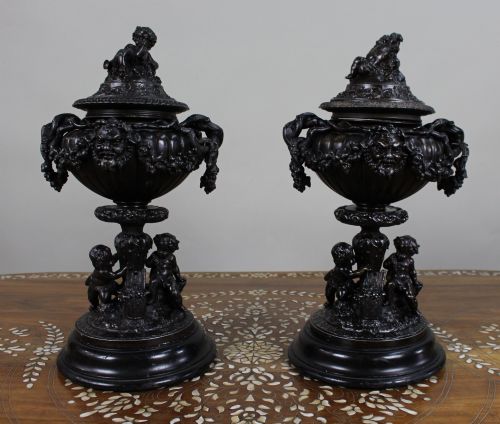
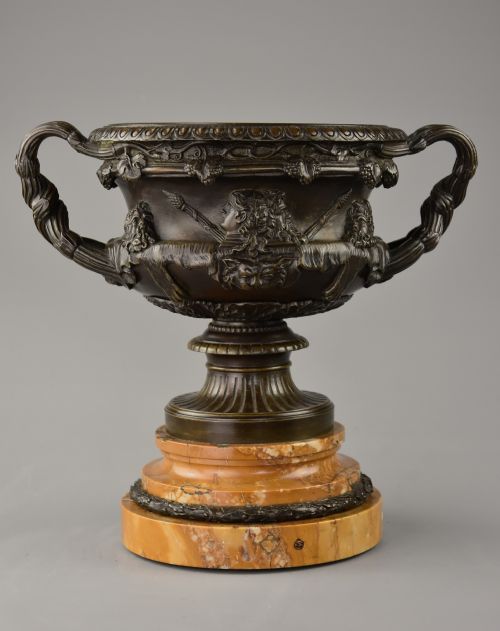
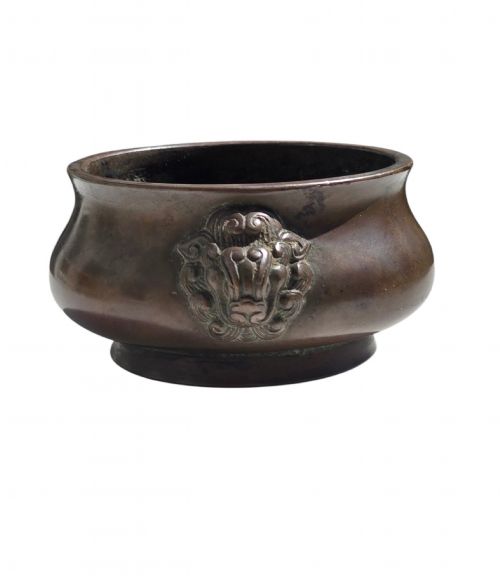
The selections on this page draw predominantly from nineteenth-century European revivals, Victorian decorative arts, and earlier Chinese dynasties. French Neoclassical urns with bacchic faces sit alongside seventeenth-century censers bearing taotie masks and nineteenth-century architectural door knockers.
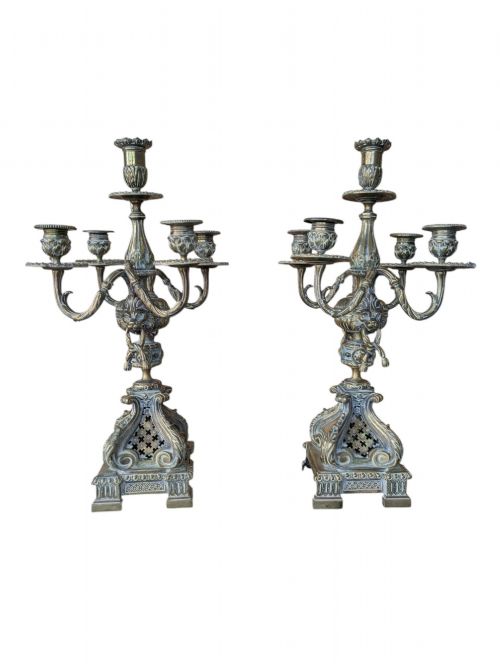
Many items integrate these faces into larger functional or ornamental objects such as tripods, candelabra, and lamps. The common thread remains the cast metal visage, whether modelled as a standalone classical female head or as a subsidiary mask ornamenting a ritual vessel.
Materials and construction methods
Makers utilised bronze, copper alloy, and bronzed spelter as the primary metallic bodies for these pieces, frequently mounting them on marble, wood, or fabric bases. The casting process captured fine details in relief, allowing for intricate rendering of hair, expression, and facial structure.
Surface finishes form a crucial element of the construction, employing chemical treatments to produce verdigris patina, dark patination, or deliberate aged tones. These finishes emulate centuries of burial or exposure, enhancing the visual depth of the cast metal.
Patinated Bronze Mask Retail Price Guide 2026
Typical asking prices for patinated bronze mask among the pieces listed under this phrase on Sellingantiques today, from the lower quarter to the upper quarter. They describe what is for sale here now, not the wider market.
Bacchic masks peek out from French urns alongside putti, reminding viewers that nineteenth-century desks doubled as shrines to revelry.
Distinctions in quality and execution
The integrity and subtlety of the patination dictate the visual success of the piece, separating chemical treatments that mimic genuine age from flat or uniform coatings. Well-executed patination interacts with light to accentuate the relief of the mask and surrounding ornament.
The Patinated Bronze Mask Glossary
- Patina
- A surface coloration or film formed naturally through age or artificially through chemical application on metal. This treatment alters the appearance of the bronze and provides protection against corrosion.
- Spelter
- A zinc alloy commonly utilised as a less expensive substitute for bronze in nineteenth-century decorative castings. It is often given a bronze-like metallic coating to resemble solid bronze.
- Reduction
- A scaled-down replica of a famous large-scale antique sculpture or architectural monument. These miniature castings allowed collectors to display classical forms in domestic settings.
Patinated Bronze Mask: Frequently Asked Questions
How do I clean a patinated bronze mask?
Dust the surface gently with a soft, dry brush to prevent the accumulation of particles without disturbing the underlying metallic finish. Avoid water, abrasive cleaners, or chemical solvents that can strip away the historic patina.
Apply a very light coat of microcrystalline wax occasionally if the metal appears dry, buffing it off completely with a soft cloth. This protects the bronze from atmospheric moisture while preserving the existing surface appearance.
Are these masks ancient or revival pieces?
The majority of pieces available stem from nineteenth-century European revivals, Victorian production, or later interpretations of earlier dynastic forms. True antiquity appears primarily in specific stylistic revivals rather than daily market availability.
Examine the casting quality, tool marks, and composition of the alloy to understand the probable period of manufacture. Dealers and listings will specify nineteenth-century dates or revival contexts for clarity.
Can I mount a mask on the wall?
Certain items such as door knockers or architectural fragments are naturally suited for wall mounting due to their original design and weight distribution. Sculptural heads and vessel attachments generally require stable horizontal surfaces or bespoke display stands.
Consult a professional restorer or mount maker if you wish to display a loose mask securely without altering the original bronze structure. Proper support prevents accidental falls and distributes the weight evenly.
What causes the green verdigris colour?
Verdigris forms when copper alloys react over time with oxygen, moisture, and atmospheric acids, creating a stable chemical layer on the metal. Makers often replicate this natural oxidation process chemically during production to simulate ancient burial.
This green coloration is a stable part of the patination rather than active corrosion needing removal. It adds visual complexity and authentic character to both ritual vessels and decorative bronzes.