
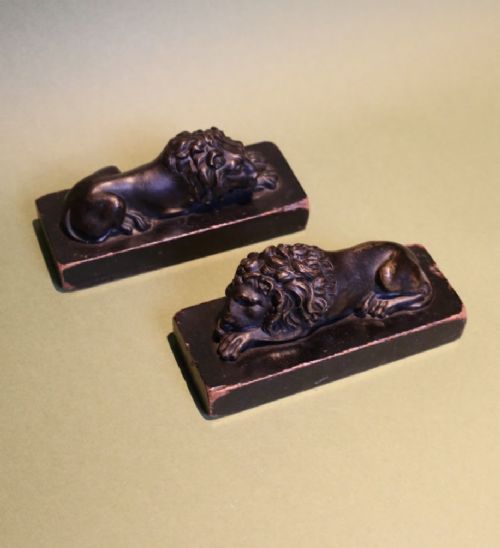
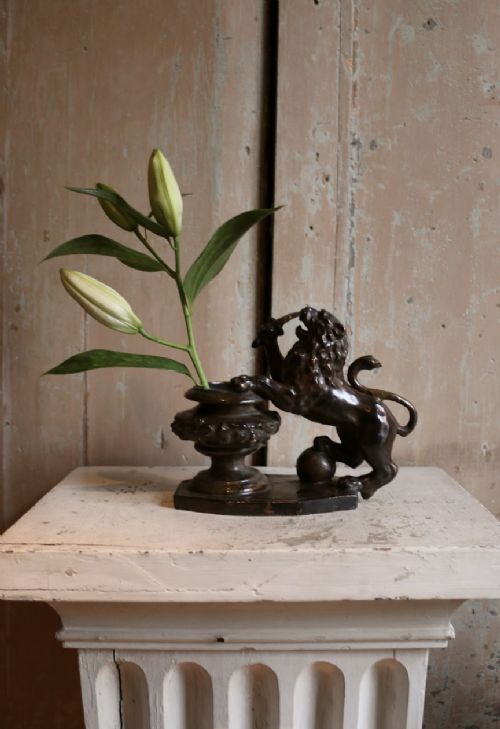


Patinated Bronze Lion
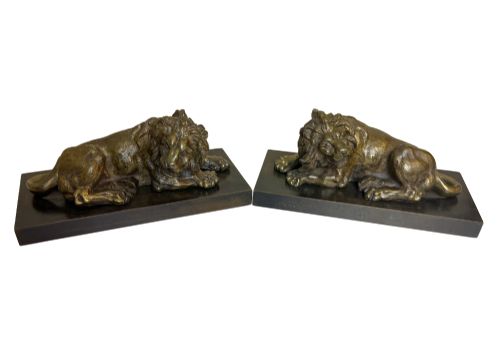
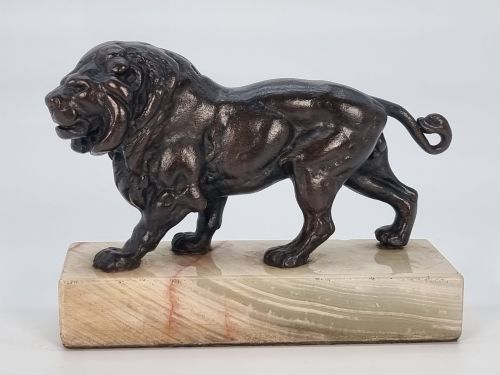
A patinated bronze lion brings sculptural weight and classic presence to a room, cast in heavy metal and finished with dark or weathered tones.
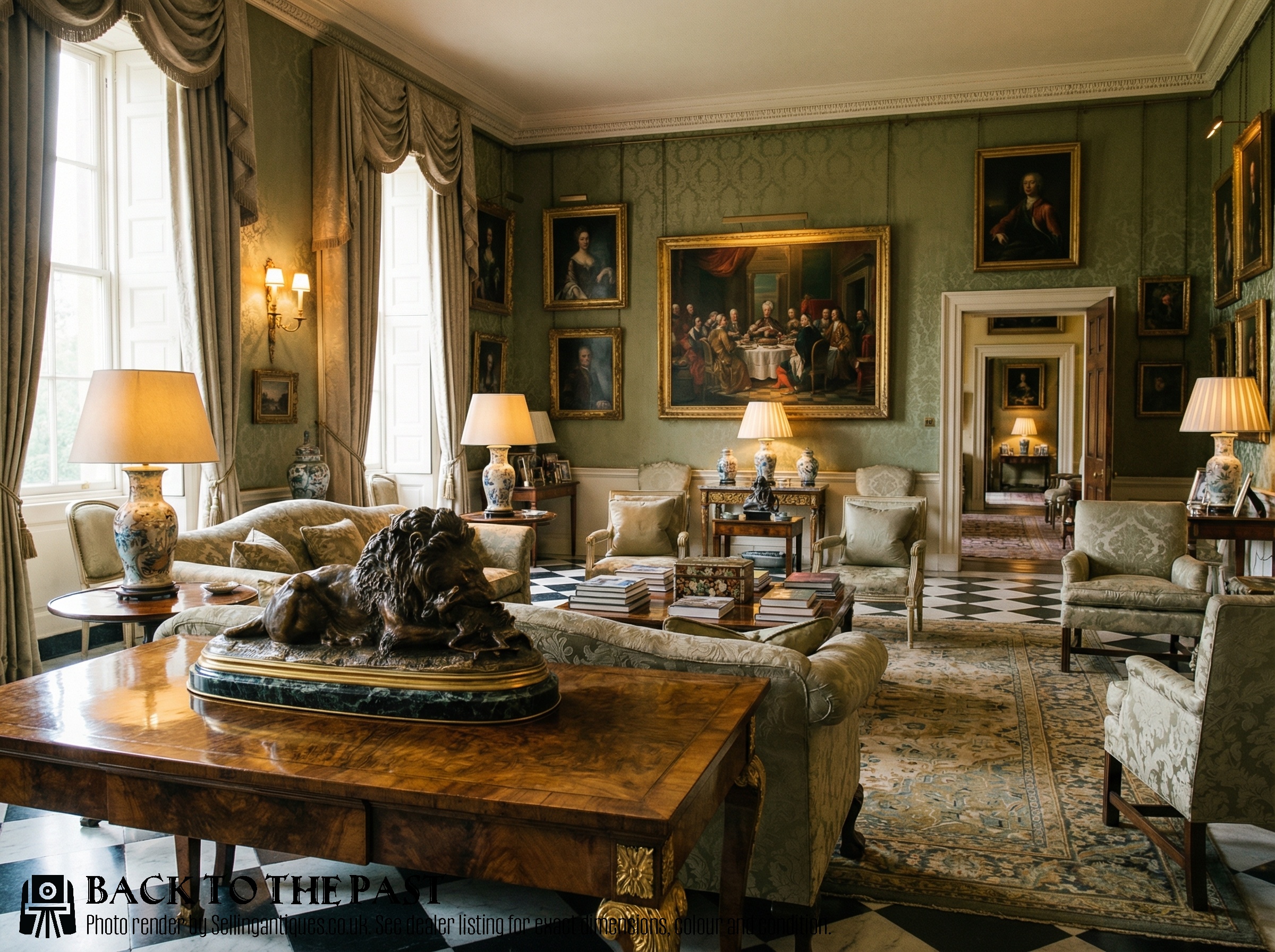
Patinated Bronze Lion
A patinated bronze lion represents a diverse group of metal sculptures and decorative objects that capture the power and majesty of the animal. When searching for a patinated bronze lion, buyers encounter figures ranging from aggressive prowling beasts to serene temple guardians and architectural ornaments.
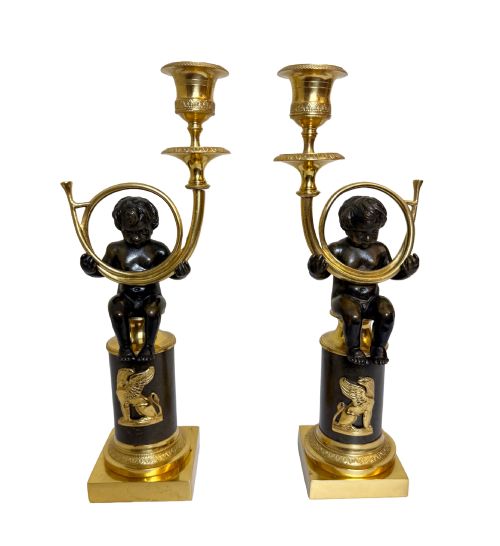
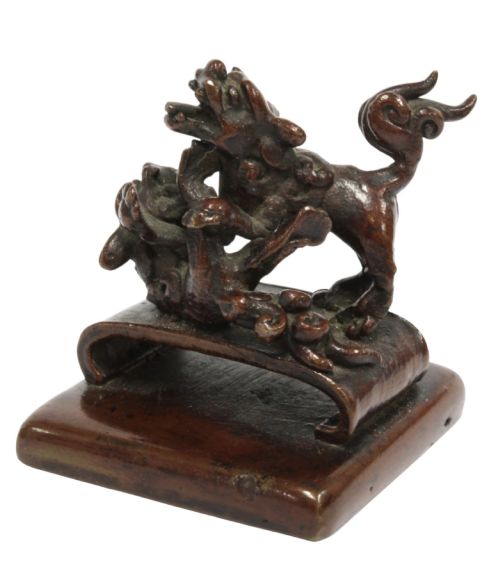
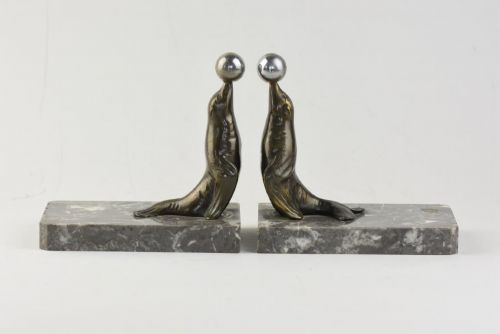
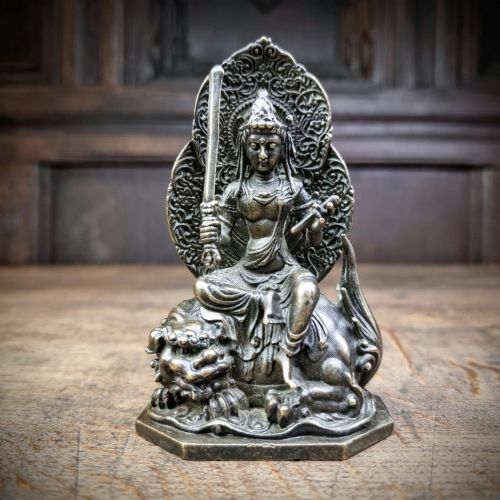
The selections span European animalier studies, Grand Tour souvenirs, and East Asian bronzes including Chinese censers and Japanese studies. Figures rest upon marble or onyx bases, or appear as architectural elements such as door hardware and bookends.
Nineteenth-century European foundry work dominates the offerings, alongside earlier seventeenth-century scholar's objects and Qing Dynasty pieces. Buyers choose between naturalistic French sculptural casts and stylised classical or eastern interpretations.
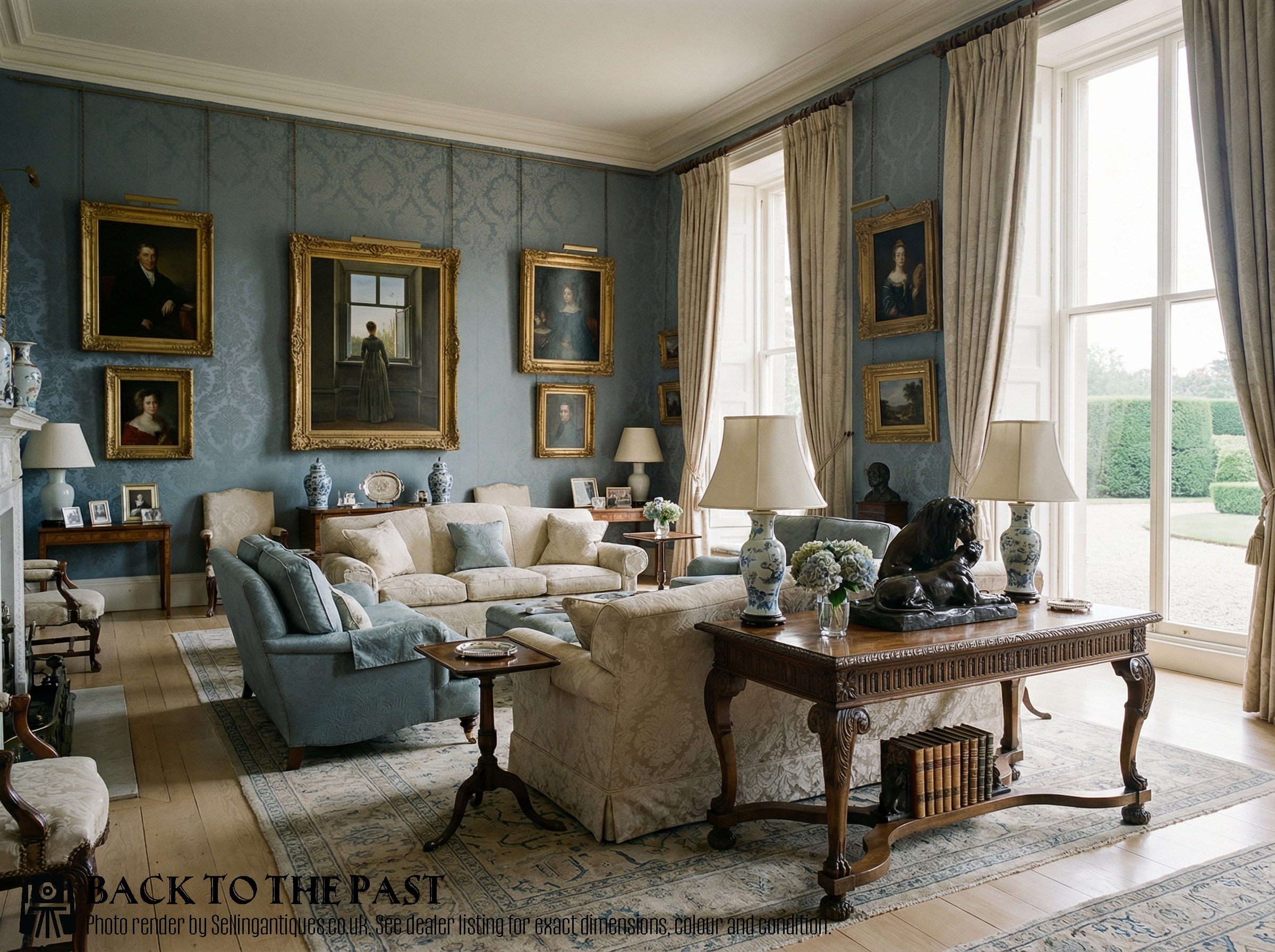
Materials and casting techniques
These pieces rely on bronze as the primary medium, often enhanced with chemical surface treatments to create rich dark patinas, or combined with gilt bronze, ormolu, brass, and iron. Many sculptures incorporate contrasting natural elements such as marble, onyx, or carved root-wood as integral mounting bases.
Patinated Bronze Lion Retail Price Guide 2026
Typical asking prices for patinated bronze lion among the pieces listed under this phrase on Sellingantiques today, from the lower quarter to the upper quarter. They describe what is for sale here now, not the wider market.
The selection includes items from the seventeenth, eighteenth, and nineteenth centuries, alongside Asian dynasties.
Distinguishing quality in metal sculpture
Quality rests upon the crispness of the chase work and the fidelity of the cast to the original model. Superior pieces exhibit anatomical precision, deep psychological intensity in the animal's expression, and careful hand-finishing that preserves texture across the mane and paws.
The integrity of the patina and the harmony of the mounting materials contribute significantly to a piece's standing. Finer examples display harmonious integration between the heavy bronze casting and its supportive marble or onyx plinth without awkward gaps or inferior replacement fittings.
Paul-Édouard Delabrièrre·Seiunsai Miyamoto Sei·Unno Shomin·G. Gardet·Louis Riche·Al Barye·Barbedienne·Paul Thomas
The Patinated Bronze Lion Glossary
- Patinated bronze
- Bronze that has been treated with chemical solutions to produce a specific surface colour, ranging from deep brown to near black. This finish protects the metal and defines the sculptural contours.
- Animalier
- A nineteenth-century artistic movement focused on the realistic portrayal of animals. Sculptors in this tradition studied living beasts in menageries to capture authentic movement and anatomy.
- Grand Tour
- A cultural journey undertaken by wealthy Europeans to visit historical sites on the continent. Travellers acquired small bronzes, such as antique lions and architectural models, as mementos.
- Ormolu
- Gilding technique utilising finely ground gold mercury applied to a bronze base. This process yields a bright, durable golden surface seen on decorative mounts and furniture feet.
- Okimono
- Japanese decorative object designed for display on a tokonoma or shelf. These small-scale sculptures showcase exceptional metalwork and casting mastery.
Patinated Bronze Lion: Frequently Asked Questions
How do I identify a nineteenth-century animalier lion?
Nineteenth-century animalier pieces focus on naturalistic muscle structures and observable animal behaviour. These sculptures often bear artist signatures on the bronze base and reflect the romantic interest in wild fauna.
Foundry marks and patination styles specific to European workshops further help confirm the period of manufacture.
Where should I place a bronze lion sculpture at home?
These heavy figures suit placement on sturdy wooden sideboards, marble mantelpieces, or library desks where their weight provides stability. Smaller versions function effectively as bookends or desk accessories.
Ensure the display surface can support the combined weight of the metal and its stone base.
How should I clean a patinated bronze lion?
Dust the surface gently with a soft, dry microfibre cloth to remove particulate matter. Avoid abrasive cleaners, polishes, or chemical solvents that strip the historical patina.
Maintaining a stable indoor humidity level prevents moisture damage to both the metal and any attached stone bases.