


Patinated Bronze Cherub Statue
A patinated bronze cherub statue brings classical movement and detailed metalwork into a room.
Patinated Bronze Cherub Statue
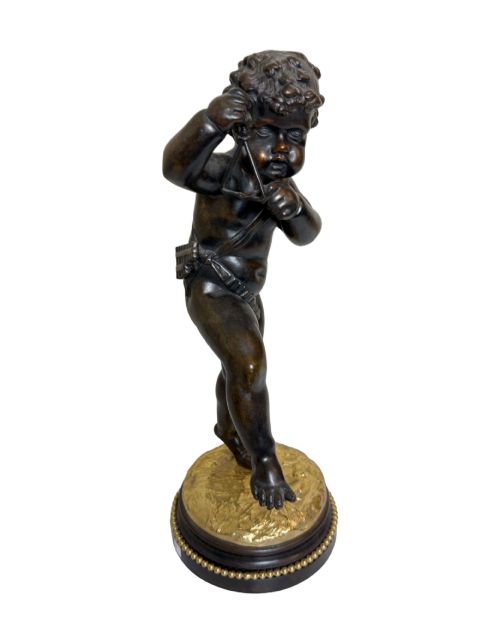
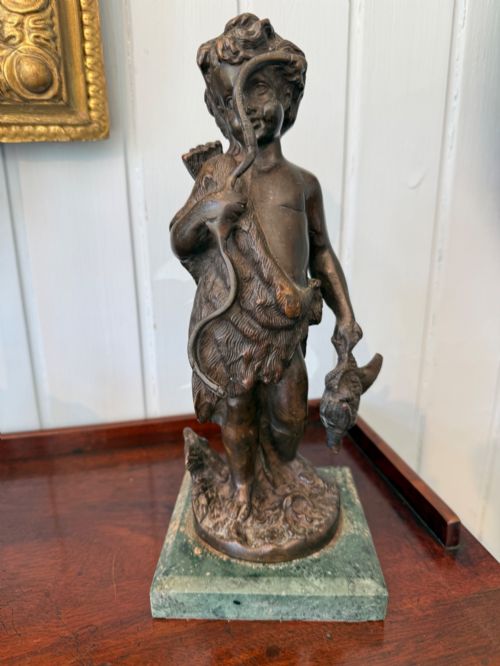
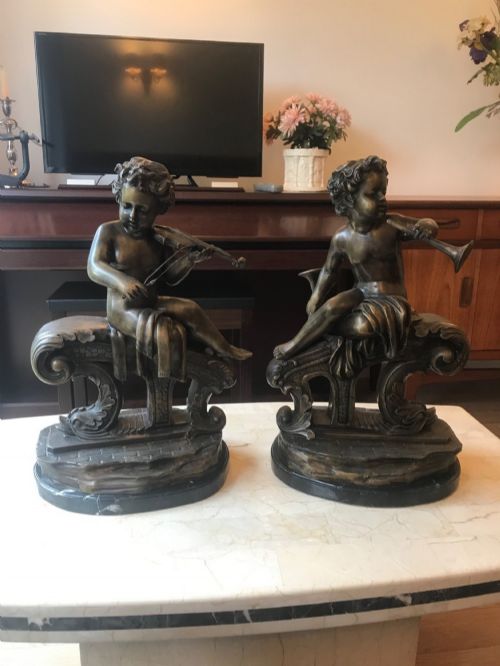
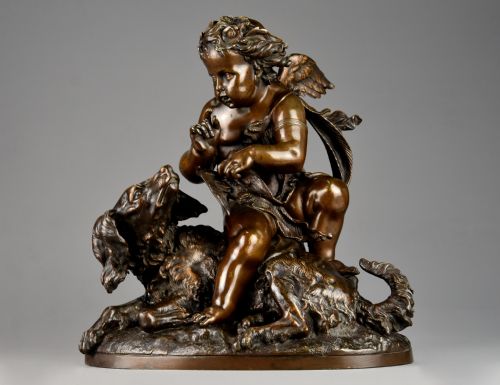
A patinated bronze cherub statue captures mythological figures, putti, and amorini in sculptural forms cast across the nineteenth century. These pieces range from solo musicians and hunters to pairs seated on rocks or paired with domestic animals.
Most examples originate from French workshops adhering to Neoclassical, Classical Revival, and Rococo Revival styles. Buyers encounter both standalone figures and architectural elements such as mantel clocks housed in bronze cases.
Subjects frequently draw on classical mythology, depicting Eros, Cupid, or Triton-adjacent putti alongside allegorical children and dancers. The casting often reflects the artistic output of nineteenth-century French and English foundries.
Materials and casting methods
The primary medium is bronze, frequently paired with secondary supports of marble or wood depending on the specific sculpture. Artisans applied chemical patination to the metal surface to achieve varied dark and warm tonal finishes.
Many works incorporate parcel gilding alongside the dark patinated bronze to highlight specific details of drapery or wings. Certain pieces integrate glass and enamel elements, particularly within clock cases and complex figural groups.
The listings feature nineteenth-century French and English bronzes incorporating marble, wood, glass, and enamel elements.
Evaluating sculptural quality and execution
Superior examples demonstrate meticulous chasing of the metal surface after casting, where the sculptor sharpens hair, feather details on wings, and facial expressions by hand. Weaker casts often display smoothed textures and obscured details where the definition of the mould has been lost.
The fluidity of the pose and the anatomical accuracy of the child or putto distinguish masterworks from commercial foundry output. Signature placement from documented nineteenth-century sculptors further elevates the standing of an individual bronze.
Clodion·Dumond·Auguste Moreau·Charles Cumberworth·Bellenot Paris·Pigale
The Patinated Bronze Cherub Statue Glossary
- Patinated bronze
- Bronze treated with chemical solutions to produce a specific surface colour and aged appearance. This finish protects the metal and defines the visual tone of the sculpture.
- Putto
- A plump, often winged male child figure common in classical and Renaissance art. These motifs frequently appear as cherubs or amorini in nineteenth-century bronzes.
- Neoclassical
- A style drawing inspiration from the classical art and culture of ancient Greece and Rome. It emphasises symmetry, proportion, and restrained classical dignity.
- Grand Tour
- A traditional trip of Europe undertaken by upper-class young European men of means for pleasure and education. Statues purchased on these journeys often depicted classical mythological subjects.
- Chasing
- The manual finishing of a metal casting using hammers and punches to refine details. This process removes casting flaws and sharpens the final artistic lines.
Patinated Bronze Cherub Statue: Frequently Asked Questions
How do I identify a nineteenth-century cast?
Examine the weight, the depth of the chasing work, and the composition of the bronze alloy. Nineteenth-century pieces typically exhibit heavier casting methods and hand-finished surface details that differ from modern reproductions.
Look closely at the underside and mounting points for period construction methods such as threaded bolts or pins. Patination should show natural wear patterns consistent with age rather than uniform modern spray coatings.
Where should I place a bronze cherub in my home?
These sculptures suit tabletops, mantelpieces, and dedicated display pedestals where adequate lighting can catch the dark patination. Pairs of figures look balanced when placed on either side of a central architectural element or clock.
Keep bronze sculptures away from direct heat sources and excessive moisture to protect the surface patina and any integrated marble bases. Dust them gently with a soft, dry cloth without applying harsh commercial polishes.
What is the difference between a cherub and a putto?
Art historical conventions distinguish between religious cherubim and secular putti, though nineteenth-century sculptors often used the terms interchangeably. Putti specifically denote winged mythological infants associated with classical love or marine themes.
Both motifs share similar visual representations in bronze sculpture, featuring childlike proportions, wings, and playful or musical poses. The surrounding context, such as conch shells or hunting bows, usually clarifies the specific mythological narrative.
Why do some bronzes have artist signatures?
Signatures indicate that a prominent sculptor modelled the original work before the foundry produced the bronze edition. Names from the period add documented artistic attribution to the piece.
Not all quality bronzes bear signatures, as many foundry pieces were produced anonymously or bore only foundry stamps. A signature requires careful verification against known nineteenth-century casting records and stylistic traits.