
Patinated Brass Light
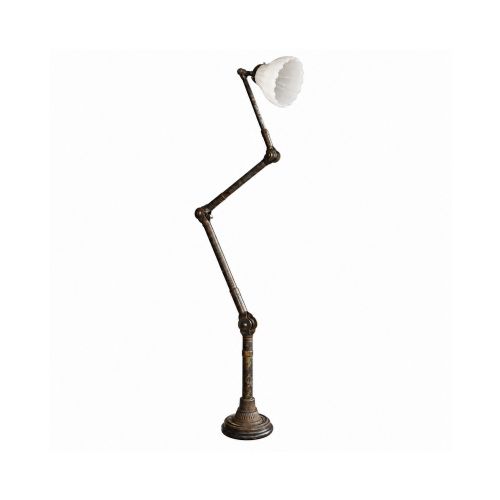
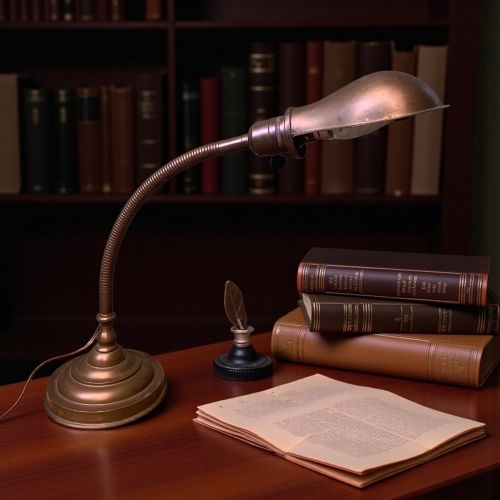
A patinated brass light brings depth and character to a room through darkened metallic surfaces shaped by age.
Patinated Brass Light
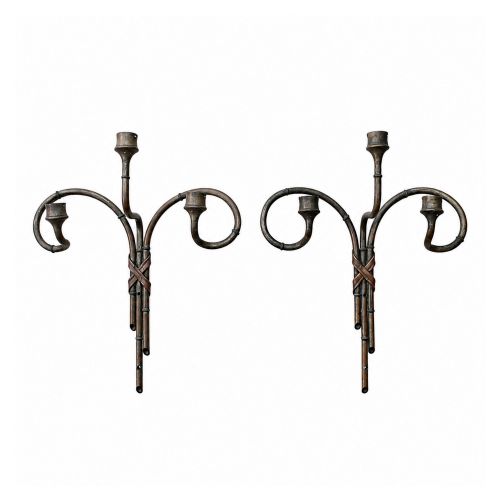
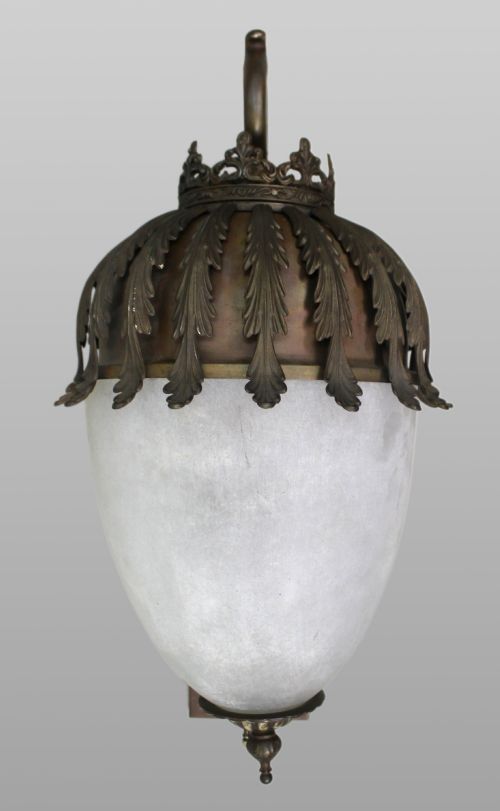
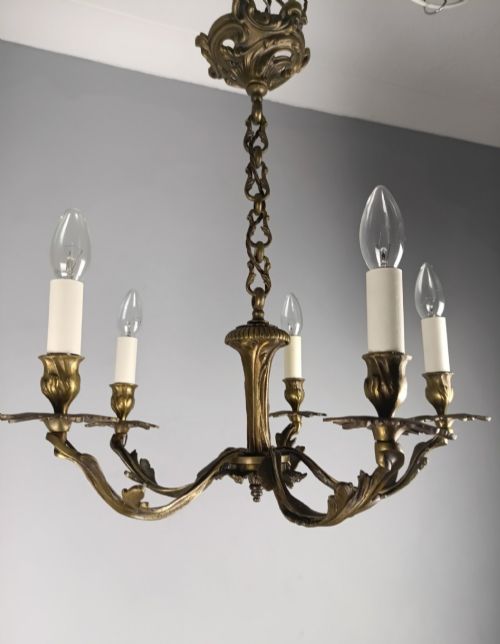
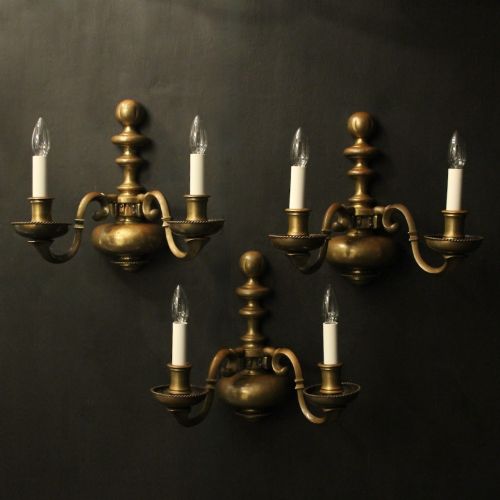
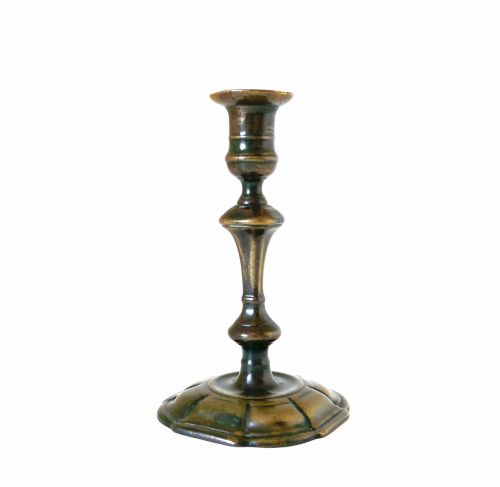
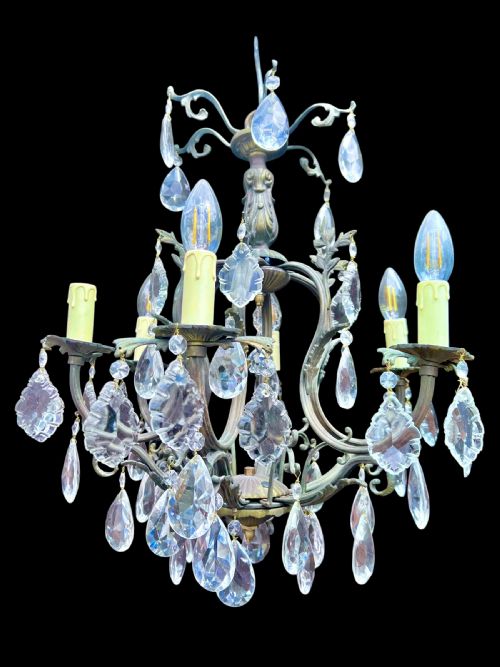
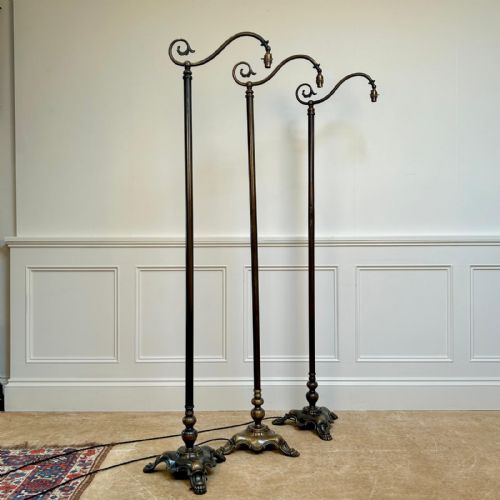
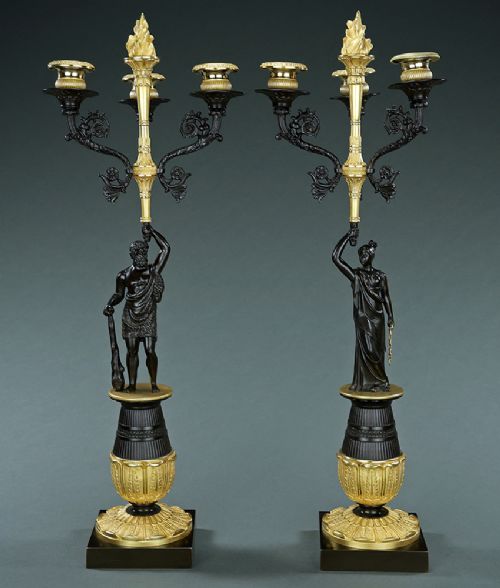
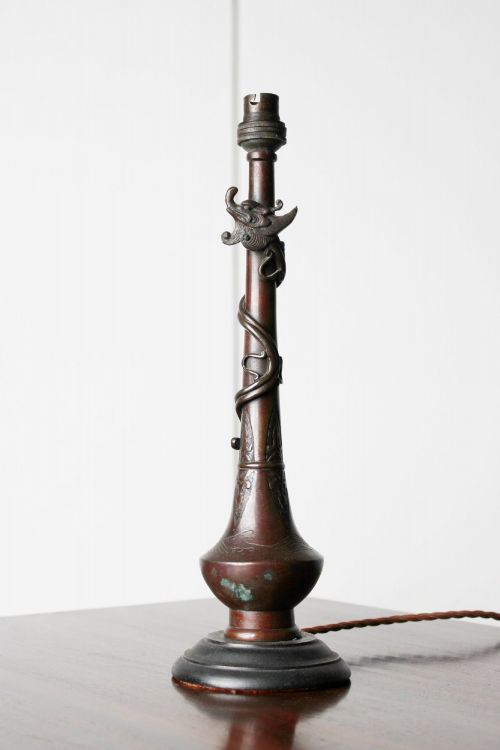
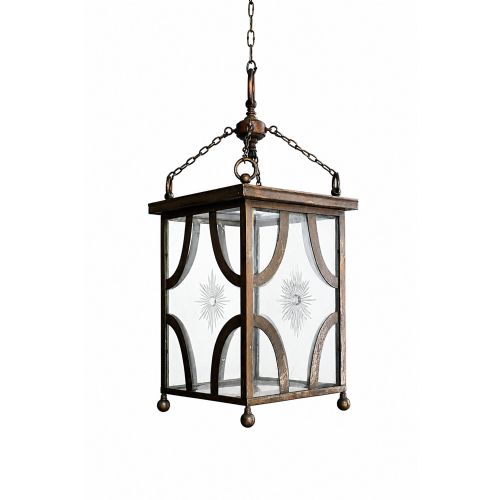
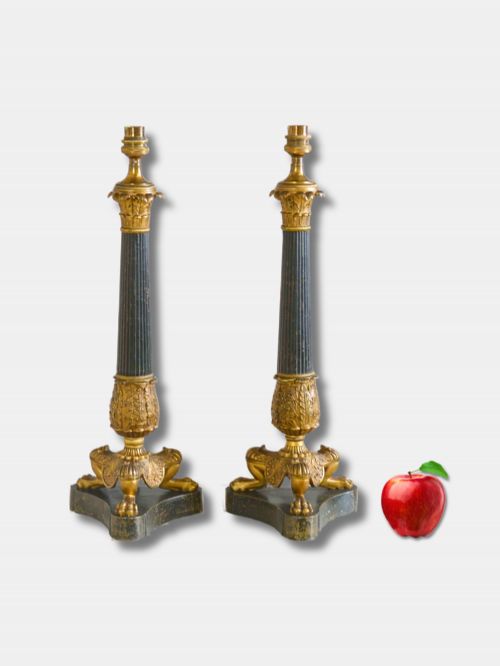
When you search for a patinated brass light, you encounter a diverse array of historic illumination fixtures ranging from slender candlesticks to grand multi-tiered chandeliers. The selection spans the nineteenth century through the early decades of the twentieth century, reflecting shifting domestic habits and architectural tastes.
The most frequent examples on this page include wall sconces, table lamps and hanging lanterns shaped in French Empire, Edwardian and Victorian styles. These items transition easily from functional room illumination into sculptural focal points for contemporary interiors.
How they were made
The construction relies heavily on cast and turned brass, often paired with bronze, copper or glass elements to diffuse the glow. Metal components receive chemical or natural darkening treatments to produce the characteristic surface patination.
Many items incorporate hand-chased detailing, applied ormolu highlights or structural joining typical of period metalwork workshops. Craftspeople utilised traditional foundry methods to shape heavy metal mounts, brackets and lamp bodies.
Aviation history meets interior illumination in a listed Bleriot searchlight from the early twentieth century.
What varies in quality
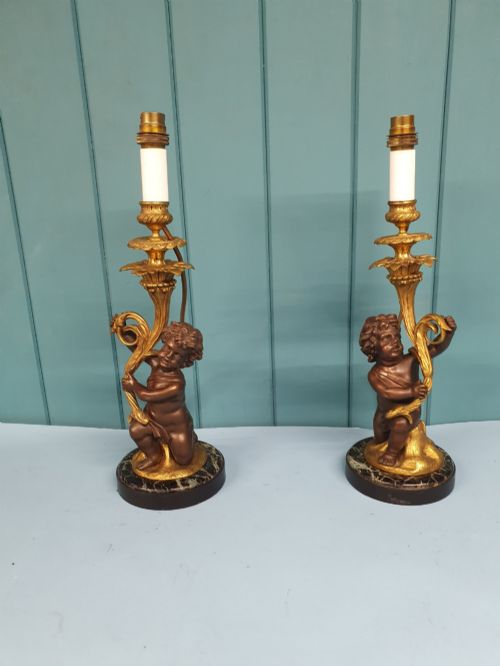
Quality reveals itself in the crispness of the cast ornamentation and the weight of the metal used in the body and mounts. Superior examples display refined hand-finishing on decorative details like cherubs, acanthus leaves or geometric mouldings.
The integrity of the patination and the survival of original glass shades or matching components distinguish finer survivals from ordinary production. Consistency in proportion and the harmony of mixed materials also separate standard pieces from exceptional ones.
The Patinated Brass Light Glossary
- Patination
- The surface alteration and chemical ageing that darkens brass and bronze over decades of exposure. This process creates subtle tonal gradations across high-touch areas.
- Ormolu
- Gilded bronze used widely in French decorative lighting to provide bright metallic contrast against dark patinated surfaces. The technique involves applying a gold amalgam to a bronze base.
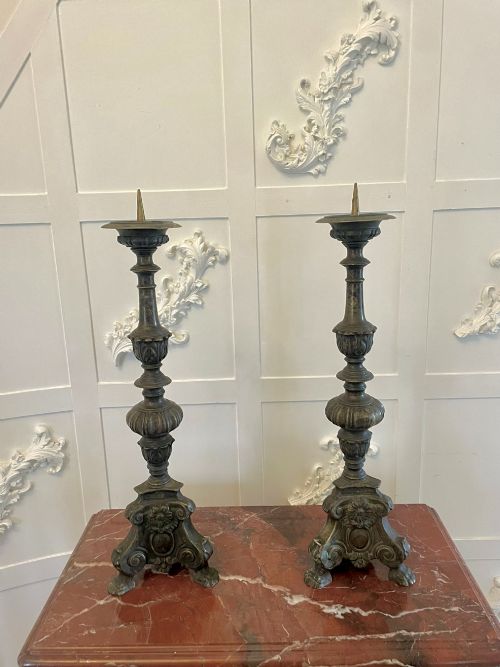
- Pricket candlestick
- A lighting device featuring an upright metal spike that impels the base of a candle rather than sitting inside a socket. This form appears frequently in ecclesiastical and early domestic metalwork.
- Plafonnier
- A ceiling-mounted lighting fixture positioned flush or close to the plasterwork. These pieces often combine patinated metal frames with moulded glass bowls.
- Candelabra
- A branched lighting fixture designed to hold multiple candles or tapers simultaneously. Many period examples convert easily for electrical wiring while retaining their original form.
Patinated Brass Light: Frequently Asked Questions
How do I wire an antique light?
Rewiring requires threading modern insulated flex through the historic hollow channels of the brass or bronze body. A professional electrician should complete this task to ensure safety compliance while preserving original internal components.
Many fixtures retain enough internal space to accommodate modern cabling without altering the visible exterior structure. Care must be taken to protect delicate patinated surfaces during the rewiring process.
Can I polish patinated brass?
Polishing removes the darkened surface layer that defines the character of a patinated brass light. Most collectors prefer to retain the aged skin rather than restoring the metal to a bright golden finish.
Dusting with a soft dry cloth is sufficient for routine maintenance. Avoid abrasive cleaners that strip away the historical oxidation.
How do I date these lights?
Dating relies on stylistic clues such as the neoclassical motifs of French Empire designs or the clean geometries of Amsterdam School pieces. Manufacturing techniques, including casting methods and screw thread types, also indicate the period of production.
Comparing structural details with documented examples from the nineteenth and early twentieth centuries helps narrow the window of origin.
Where should I hang a wall sconce?
Wall sconces work effectively flanking mirrors, framing fireplaces or providing ambient illumination along hallway walls. The mounting height depends on the ceiling proportion and the intended reach of the light.
Ensure the electrical supply box aligns securely with the backplate of the historic fixture before installation.