


Patinated Brass Candlesticks
Patinated brass candlesticks are time-tested lighting fixtures forged from metal and finished with dark or aged surfaces that bring warmth to any interior.
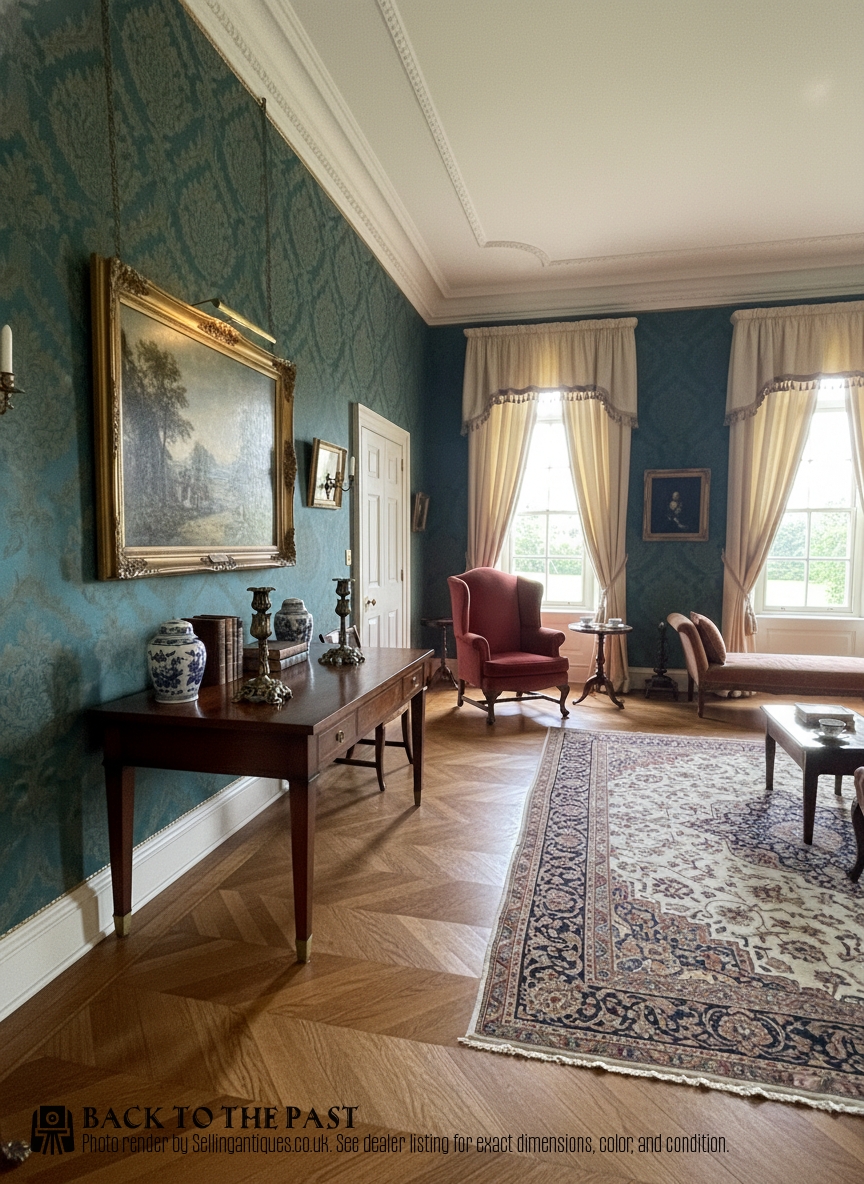
Patinated Brass Candlesticks
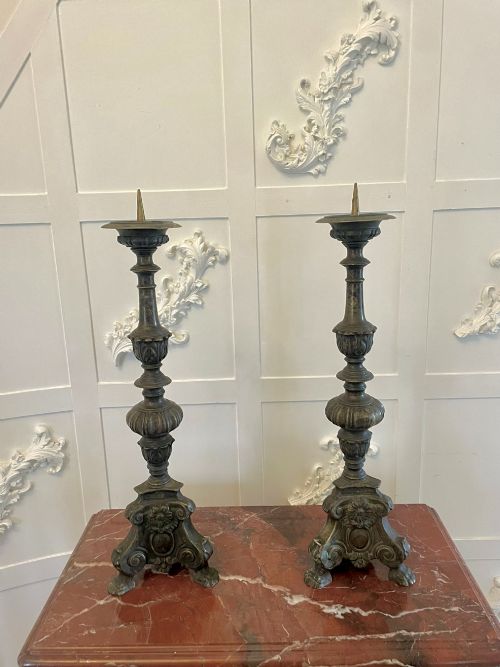
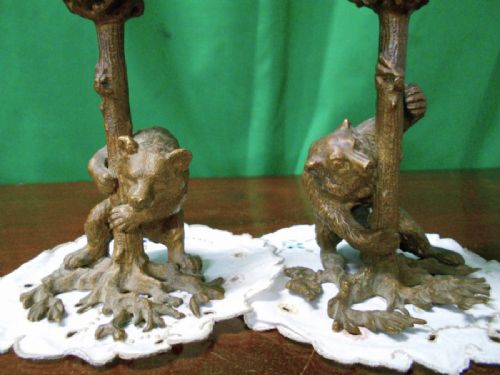
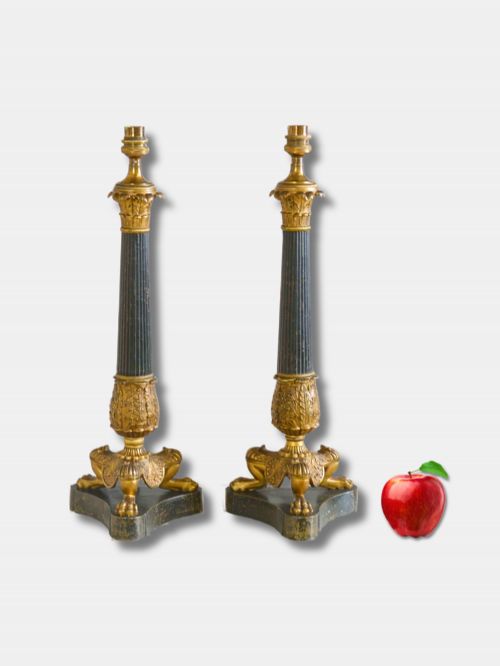
The objects on this page bridge multiple design movements, including Regency, French Empire, Victorian, and Louis XVI styles. Many examples incorporate figural elements such as cherubs, bears, dolphins, and lions' paw feet alongside classical columns and columnar stems.
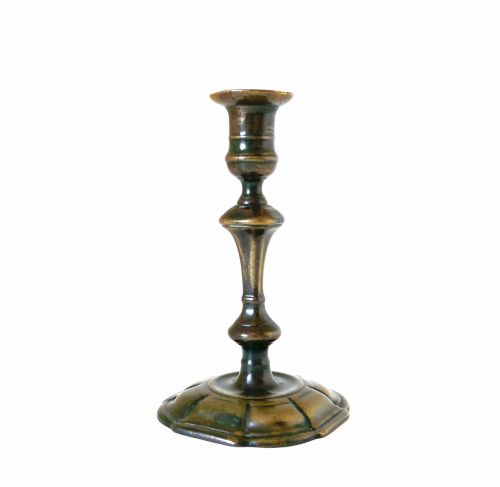
Most entries originate from the nineteenth century, though earlier eighteenth-century English and Low Countries specimens appear alongside twentieth-century Amsterdam School and Edwardian variations. Alongside standard brass, materials frequently overlap with bronze, ormolu, gilt bronze, and contrasting marble bases.

What varies in quality
The integrity of the patination and the harmony of mixed media, such as combined ormolu and patinated bronze, separate standard production items from exceptional commissions. Weight and gauge of the brass also signal better construction, as heavier pieces offer greater stability.
Patinated Brass Candlesticks Retail Price Guide 2026
Typical asking prices for patinated brass candlesticks among the pieces listed under this phrase on Sellingantiques today, from the lower quarter to the upper quarter. They describe what is for sale here now, not the wider market.
Among the creatures standing guard on these antique columns are fierce Black Forest bears, playful dancing cherubs, and leaping dolphins.
The Patinated Brass Candlesticks Glossary
- Patinated
- A surface altered by age, wear, or chemical treatment to produce a darkened, lustrous finish over bare metal. This ageing process distinguishes antique metalwork from modern reproductions.
- Ormolu
- Finely chopped or powdered high-karat gold applied to a bronze base using a mercury amalgamation technique. The resulting surface gives a bright golden shimmer alongside darker patinated sections.
- Pricket
- A sharp metal spike fitted to the top of a candlestick to skewer and secure a candle, common in ecclesiastical and heavy decorative lighting. This design predates the socket candleholder.
- Repoussé
- A metalworking technique where the artisan hammers the design from the reverse side to form a raised relief on the front. It creates tactile surface texture on thin brass sheeting.
- Candelabra
- A branched lighting fixture designed to hold multiple candles simultaneously rather than a single taper. These often feature removable arms for versatile display.
Patinated Brass Candlesticks: Frequently Asked Questions
Are these candlesticks wired for electricity?
The inventory includes both unmodified antique candlesticks intended for traditional wax tapers and pieces that have been adapted as table lamps. Descriptions note whether a piece retains its original candle socket or holds modern electrical fittings.
Buyers planning to use electricity should inspect the wiring status in each listing to determine if professional rewiring is required before domestic installation.
How do I clean patinated brass?
Preserving the historic surface means avoiding harsh chemical polishes that strip away the aged dark tones built up over centuries. Gentle dusting with a soft, dry cloth is usually sufficient for daily maintenance.
Aggressive cleaning removes the very patination that collectors prize, diminishing both the historical character and visual depth of the metal.
What is the difference between brass and bronze?
Brass is an alloy primarily composed of copper and zinc, which yields a warm golden yellow tone when polished or patinated. Bronze consists mainly of copper combined with tin, resulting in a heavier, darker metal suited to detailed sculptural casting.
Many antique pieces combine both metals, using bronze for figural statues and brass for structural stems and bases.
How do I date a pair of candlesticks?
Dating relies on comparing the overarching design style, manufacturing techniques, and material composition against known historical periods like Regency or Louis XVI. Form changes, such as the transition from heavy eighteenth-century collars to ornate Victorian castings, offer strong chronological clues.
Examining construction marks, base weights, and assembly methods helps confirm the era of manufacture.