




Pastoral Sheep Artwork
Pastoral sheep artwork captures quiet rural scenes of flocks grazing across British and European landscapes through Victorian and Edwardian fine art.
Pastoral Sheep Artwork
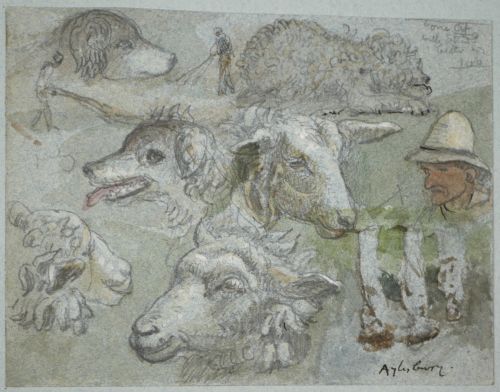
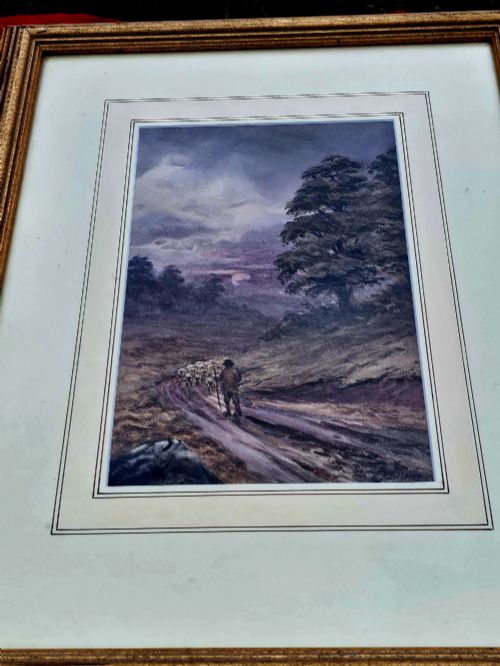
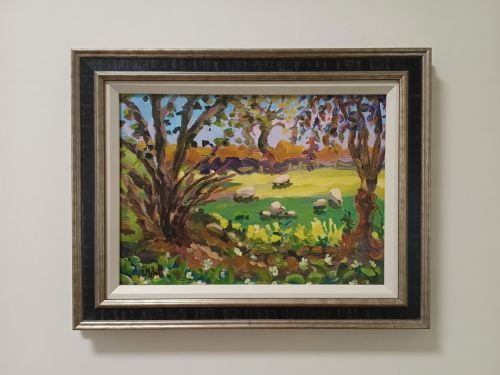
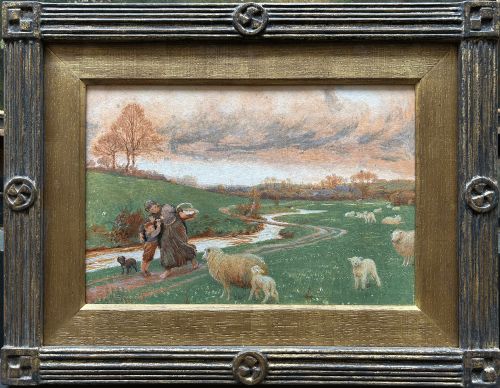
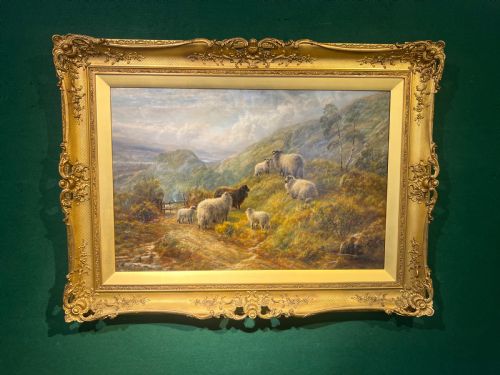
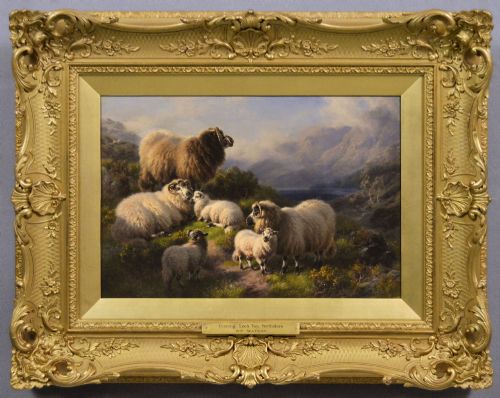
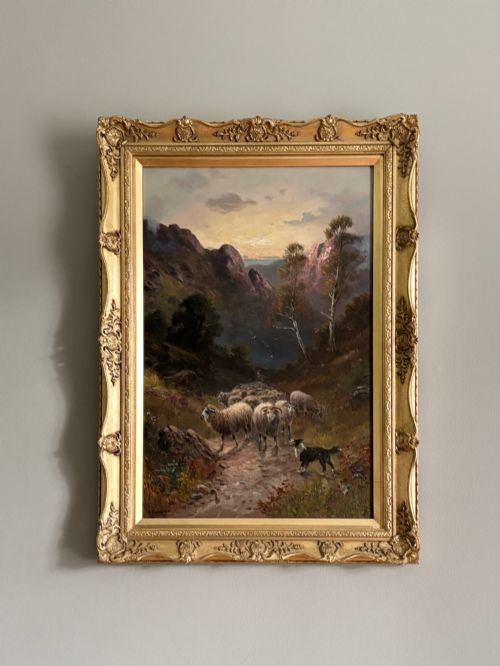
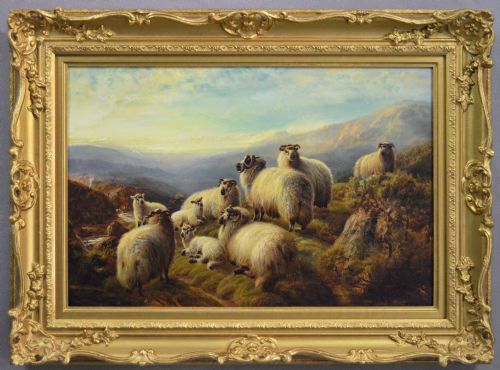
When buyers search for pastoral sheep artwork, they encounter framed oil paintings, watercolours, and drawings depicting rural life, shepherds, and herds in varied countryside settings. These pieces span the nineteenth century, the Edwardian era, and the mid-twentieth century, recording agricultural vistas from Scotland, Wales, and England.
The version most commonly met on this page is the traditional oil painting on canvas or wood panel, often housed in a decorative giltwood and gesso frame. Watercolours on paper also appear frequently, capturing softer atmospheric effects in rural lanes and coastal marshes.
Materials and techniques
Artists utilise oil paint applied to stretched canvas or wooden panels, building up texture and depth to render woolly fleeces and changing skies. Watercolours on paper offer a lighter alternative, capturing translucent light across Welsh estuaries and English valleys.
Framing forms an integral part of these works, with period giltwood and gesso frames enclosing the paintings to protect the edges and complement the composition. Wood panels provide a rigid support for smaller cabinet pieces, whilst canvas suits larger landscape formats.
Several sheep share their scenic pastures with goats, cattle, and even ponies.
Variations in quality
Quality rests in the handling of light and the anatomical rendering of the animals within their landscape context. Skilled painters capture the individual texture of fleece and the atmospheric distance of hills and skies rather than relying on formulaic repetition.
The harmony between the primary subject and the surrounding countryside distinguishes finer works from routine studio production. Original period framing also contributes to the integrity of the piece.
Eugène Verboeckhoven·Tom Campbell·James Smetham·EJ Letheren·Lucy Pratt·Frederick Walker·Robert Watson·William Watson Jnr·Douglas Cameron·Cornelius Pearson·Henry Charles Fox·William Henry Mander·Thomas Sidney Cooper·Franz van Severdonck·Owen Bowen·William Sydney Cooper·Robert John Hammond·Willem Anton Alexander Knip·Eugene Joseph Verboeckhoven·Frederick W. Jackson·Walter J Watson·James de Rijk·Lorenzo Headley·Bernard Walter Evans·Basil Bradley
The Pastoral Sheep Artwork Glossary
- Giltwood
- Carved wood covered with a thin layer of gold leaf, commonly used for nineteenth-century picture frames. It provides a reflective border that enhances the tones of oil paintings.
- Gesso
- A plaster-like mixture applied to wooden frames before gilding or painting, allowing artisans to create intricate moulded relief decoration. Fine frames use deep gesso to achieve elaborate corner ornaments.
- Oil on Canvas
- Pigment mixed with drying oils applied to a woven fabric support stretched over a wooden frame. This technique allows for rich colour blending and textured brushwork.
- Watercolour
- Paint made from pigment suspended in a water-soluble vehicle, typically applied to paper. It relies on the white of the paper to show through translucent washes of colour.
- Wood Panel
- A flat wooden board utilised as a rigid support for oil painting, frequently employed during the Victorian period for smaller cabinet works.
Pastoral Sheep Artwork: Frequently Asked Questions
What subjects appear in pastoral sheep artwork?
These pieces typically portray flocks grazing in highland glens, being driven along country lanes to market, or sheltering near rustic farmsteads and coastal marshes.
Artists record agricultural life across various regions, including Scottish highlands, Welsh valleys, and English countryside locations.
How do I care for antique oil paintings?
Protect canvas and wood panel works by keeping them away from direct sunlight, dampness, and rapid temperature shifts that cause paint to crack.
Dust surfaces gently with a soft, dry brush and avoid applying liquid cleaners to the painted canvas or the giltwood frame.
Are watercolours framed differently from oils?
Watercolours on paper require framing behind glass to shield the delicate medium from atmospheric moisture and dust accumulation.
Oil paintings on canvas or wood generally remain unglazed to let the texture of the brushwork and paint surface breathe.
How do I identify the period of a painting?
Dating relies on stylistic clues within the landscape, costume details of any figures present, and the construction methods of the stretcher or frame.
Signatures, artist records, and historical exhibition labels also help place the work within nineteenth or early twentieth-century movements.