

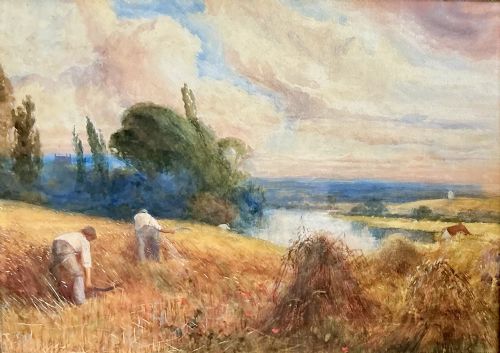


Pastoral River Landscape
When you search for a pastoral river landscape, you are looking at nineteenth and early twentieth-century depictions of rivers, streams, and rural life.
Pastoral River Landscape
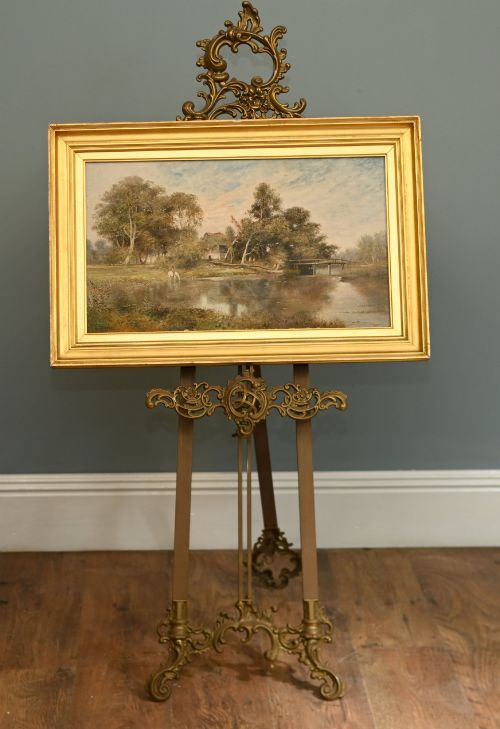
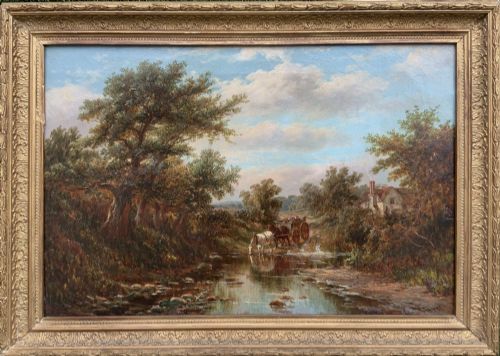
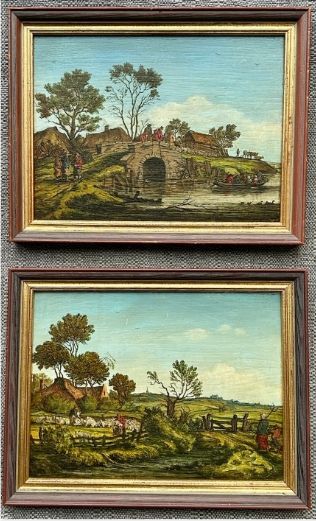
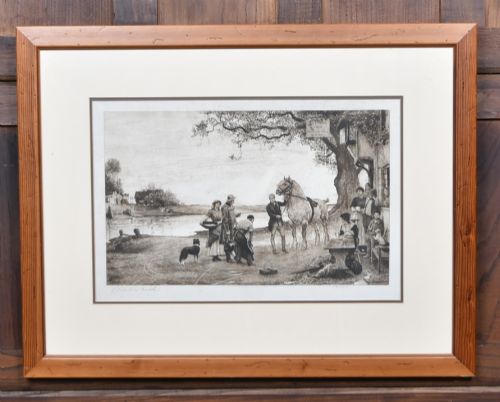
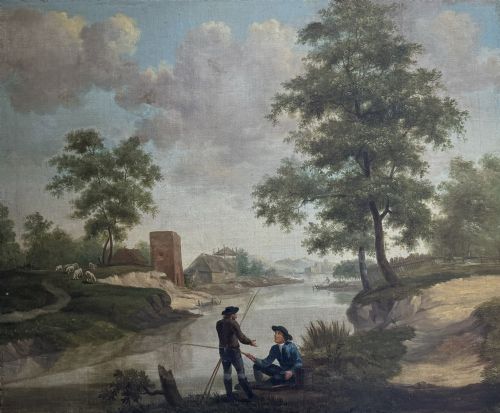
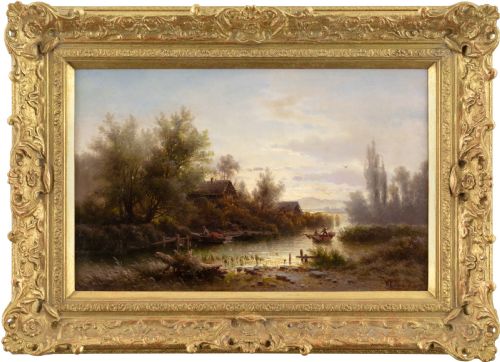
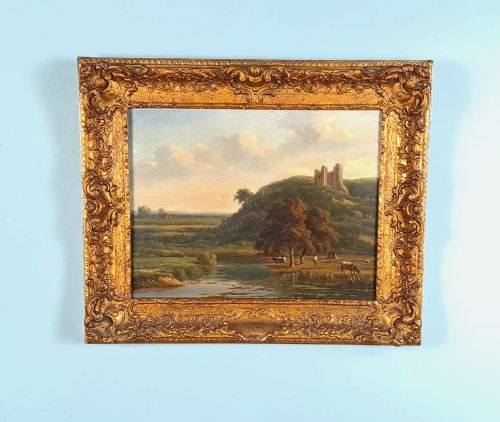
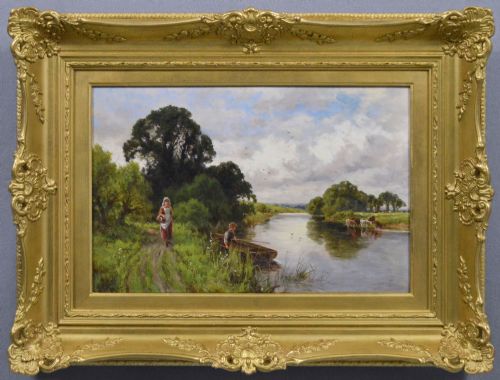
A pastoral river landscape typically portrays serene rural waterways, often featuring figures, livestock, cottages, or boats along banks lined with willows and reeds. The pieces span the Victorian and Edwardian eras, encompassing works by the British School as well as continental European artists working in similar naturalistic traditions.
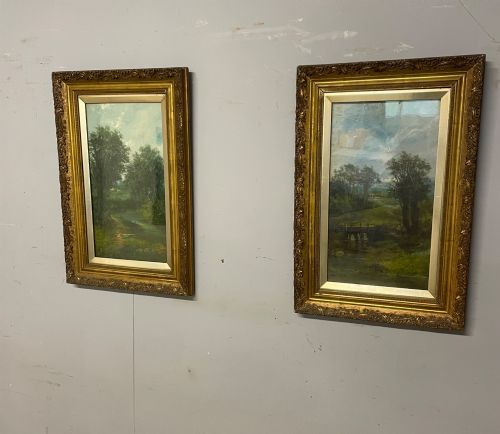
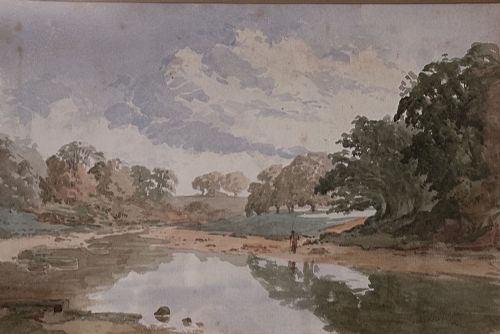
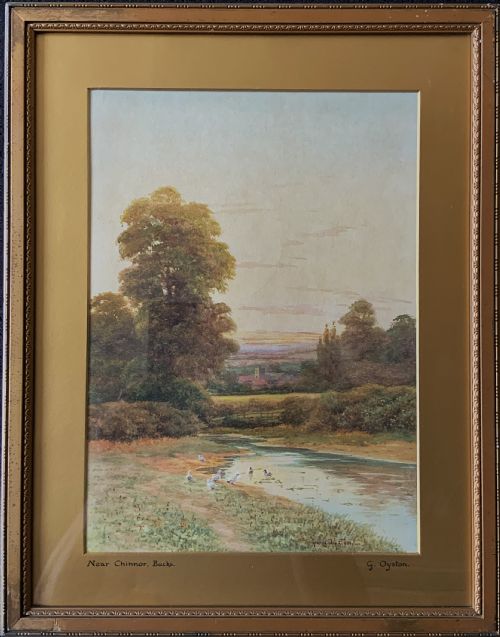
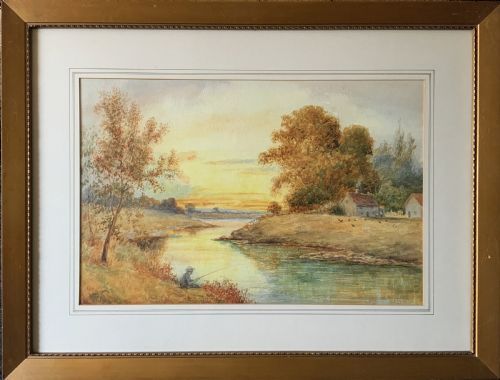
Most examples encountered on this page take the form of original oil paintings on canvas or wood panels, alongside detailed watercolours on paper. The compositions balance natural scenery with gentle human activity, capturing scenes from Welsh valleys, Thames backwaters, and continental rivers.
How They Were Made
Artists painted primarily with oil on canvas, wood panels, or occasionally milk glass, utilising oil paint to build rich textures and tonal depths. Watercolours on paper offer a lighter, translucent approach, often finished with delicate pencil work or gum arabic for highlights.
Framing played an integral role in presentation, with many works housed in period giltwood frames, sometimes featuring elaborate gesso ornamentation that complemented the tonal harmony of the canvas or paper within.
Listings feature oil paintings on canvas and wood panels alongside watercolours on paper, predominantly originating from the nineteenth and early twentieth centuries.
What Varies in Quality
The distinction between standard works and exceptional examples lies in the artist's handling of atmospheric light, water reflections, and natural textures. Superior paintings demonstrate a confident command of brushwork that brings movement to a river surface and depth to distant hills.
Provenance and signature clarity also elevate a piece, particularly when works are securely attributed to exhibited artists or specific regional locations with documented historical context.
George Graham·Robert W Macbeth·George Oyston·Albert Rieger·Henry H Parker·Frederick Hines·John Horace Hooper·Charles Clair·Cornelius Pearson·Thomas Baker of Leamington·Henry John Kinnaird·Alfred Augustus Glendening Jnr·William Sydney Cooper·George Vicat Cole·Robert John Hammond·Sidney Richard Percy·Robert Thorne Waite·Walter J Watson·James Gunson Atkinson·Alfred Grey·Benjamin Williams Leader·Peter Deakin·Harold Lawes·Maud Raphael Jones·William Manners
The Pastoral River Landscape Glossary
- Oil on Canvas
- A traditional painting medium where pigments suspended in oil are applied to a stretched woven fabric support. This combination allows for rich blending and textured impasto work.
- Giltwood
- Wood carved and coated with gold leaf or gold paint, commonly used for traditional picture frames. It provides a reflective, ornate border that enhances the artwork.
- Gesso
- A traditional paint mixture consisting of a binder mixed with chalk, gypsum, or pigment, used to prepare wood or canvas surfaces. It creates a smooth base for gilding or painting.
- Watercolour Painting
- A medium where coloured pigments are suspended in a water-soluble vehicle on paper. It relies on the white of the paper showing through translucent washes of colour.
- British School
- A term used to describe artists working within the British tradition of painting, particularly during the eighteenth, nineteenth, and early twentieth centuries.
Pastoral River Landscape: Frequently Asked Questions
What subjects appear in these river landscapes?
These works depict rural river scenes featuring activities such as fishing, harvesting, and cattle watering near the water. Common elements include bridges, locks, distant cottages, and wooded riverbanks.
Compositions often capture specific regional locations across Britain, from the Thames and the River Severn to Welsh valleys and fenland areas, reflecting the topography of the nineteenth century.
How do oil paintings differ from watercolours here?
Oil paintings utilise pigment bound in oil on canvas or wood panels, allowing for heavier textures, layered brushwork, and deep, saturated colour palettes. Watercolours apply water-soluble pigments to paper, resulting in lighter, transparent effects.
Oils were typically framed in heavy giltwood, whereas watercolours required glass protection and often feature delicate mounting to preserve the paper over time.
Where were these pastoral scenes usually painted?
Artists painted both outdoors on location and within studios based on preliminary sketches made along riverbanks. Popular regions included the Thames Valley, Welsh river estuaries, and northern waterways.
These locations provided the ideal combination of gentle terrain, livestock, and rural labour that defined the pastoral aesthetic of the period.
How should I care for a nineteenth-century painting?
Keep works away from direct sunlight and areas subject to sudden changes in temperature and humidity to protect canvas, wood panels, and paper alike. Displaying them in stable indoor environments prevents warping and fading.
Dust frames and glass-fronted watercolours gently with a dry, soft cloth, avoiding chemical cleaning agents that could damage delicate surfaces or historic giltwood frames.