



Pastel Wool Turkish Rug
A pastel wool turkish rug brings soft pinks, pistachio, and muted tones into a room through centuries of Anatolian weaving tradition.
Pastel Wool Turkish Rug
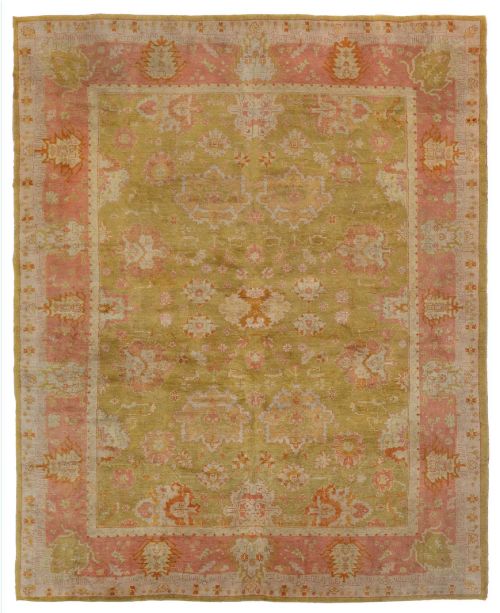
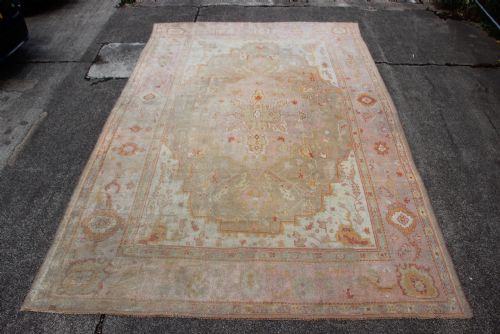
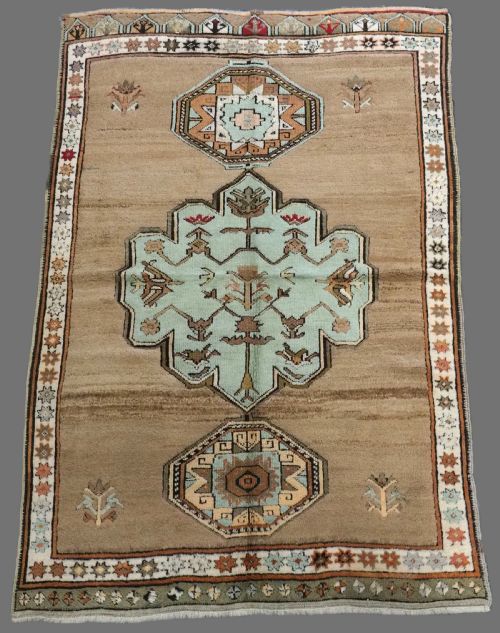
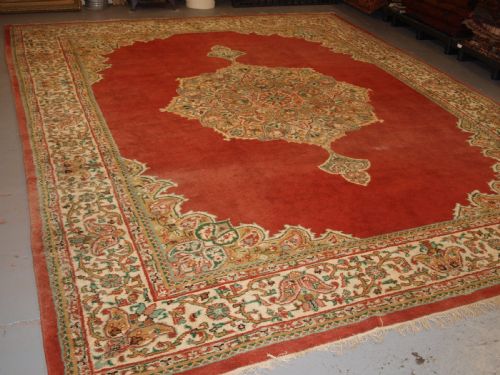
A pastel wool turkish rug encompasses regional woven flooring from Anatolia, spanning large carpets down to smaller prayer rugs and flatweave kilims. These pieces showcase traditional designs such as classic medallion layouts and repeat patterns derived from Ottoman and Balkan influences.
The aesthetic relies on muted and soft colour palettes, dominated by pastel tones, pistachio, aquamarine, and light red grounds. Production dates across the listings range from the late nineteenth century up to 1920, covering works from centres like Ushak, Konyas, Panderma, Sivas, Kayseri, Kula, and Isparta.
Materials and construction
Construction relies on natural animal fibres, primarily utilising wool for the pile alongside camel wool fields in specific regional pieces. Cotton frequently forms the foundational warp and weft structure supporting these woven wool surfaces.
Weavers employed traditional hand-knotting and flatweave techniques across Anatolia, utilising natural dyestuffs that yielded the enduring soft colours seen today. The combination of dense wool pile and sturdy foundation materials ensured durability across decades of domestic use.
Pastel Wool Turkish Rug Retail Price Guide 2026
Typical asking prices for pastel wool turkish rug among the pieces listed under this phrase on Sellingantiques today, from the lower quarter to the upper quarter. They describe what is for sale here now, not the wider market.
Camel wool makes an occasional stealth appearance in the field, proving that even desert beasts wanted a soft place to rest.
Assessing quality in antique weaving
Quality rests upon the fineness of the knotting density and the careful balance of the pastel colour palette across the field. Master weavers in historical centres achieved greater clarity in classic medallion designs and smoother transitions between soft tones.
The handle of the wool itself dictates the tactile experience, with certain pieces offering exceptionally soft wool or supple camel wool fields. Structural integrity in the cotton foundation and the precision of traditional regional motifs further elevate individual examples.
The Pastel Wool Turkish Rug Glossary
- Oushak
- A historic town in western Turkey renowned for producing large carpets with distinctive large-scale floral designs and soft pastel colourways. These carpets became highly sought after in Western interiors for their ability to blend with diverse furnishings.
- Prayer rug
- A small rug featuring a mihrab or arch design indicating the direction of prayer, traditionally used for daily Islamic devotions. Examples from centres like Kayseri and Panderma often display specific niche motifs.
- Kilim
- A flatweave textile produced without a pile by tightly interweaving warp and weft strands to create geometric patterns. Sharkoy examples represent this tradition with large repeat designs.
- Medallion
- A central ornamental motif placed in the middle of the rug field, anchoring the surrounding patterns and border arrangements. Classic medallion designs appear frequently across Isparta and Sivas carpets.
- Warp
- The vertical threads stretched tightly on the loom that form the structural skeleton of the rug. The visible fringes at either end of a finished rug are the remaining warp threads.
Pastel Wool Turkish Rug: Frequently Asked Questions
How do I clean a pastel wool turkish rug?
Professional gentle washing is recommended for antique wool textiles to preserve the natural dyes and delicate pastel shades. Regular light vacuuming without a rotating brush helps remove surface dust.
Avoid harsh chemical treatments or heavy soaking, which can damage the historic wool fibres and cotton foundations.
Where were these rugs made?
These textiles originated in various weaving centres across Anatolia, now modern Turkey, including Ushak, Sivas, Kayseri, and Isparta. Each region developed distinct local patterns, knotting densities, and colour palettes.
Traditional workshops and domestic weavers passed down these regional techniques through generations.
How do I date an antique rug?
Dating relies on examining the specific wool characteristics, natural dye ageing, structural wear patterns, and stylistic design elements. Surviving examples on this page span from 1880 through the 1920s.
Regional motifs and structural conventions specific to periods like the late Ottoman era provide further clues.