



Pastel Oriental Area Rug
These pastel oriental area rug examples combine muted tones with traditional weave structures from the nineteenth and early twentieth centuries.
Pastel Oriental Area Rug
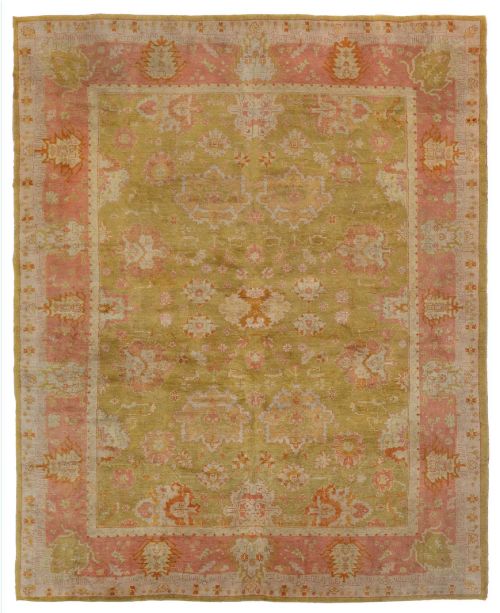
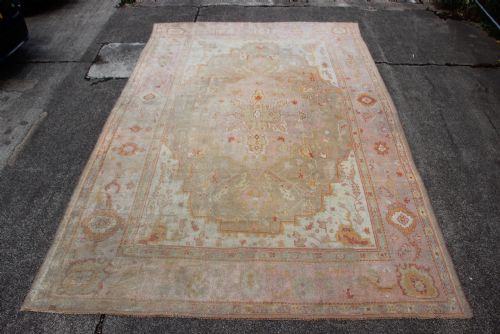
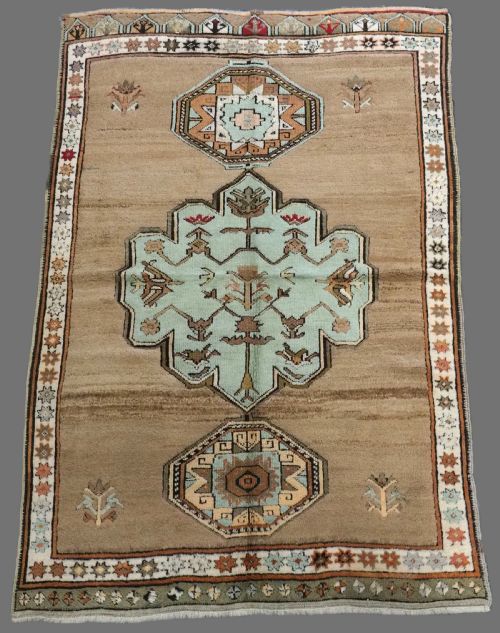
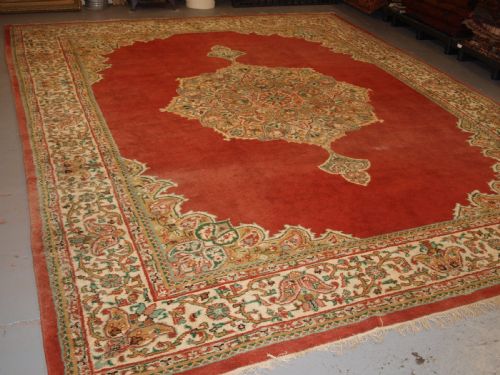
A pastel oriental area rug brings together soft hues and regional weaving traditions from across Anatolia and Persia. These textiles include large carpets, prayer rugs, and flatwoven kilims originating from workshops and weaving centres active between eighteen eighty and nineteen twenty.
The pieces on this page are predominantly Turkish in origin, featuring notable styles such as Oushak, Ushak, Konya Karapinar, Kayseri, Sivas, Kula, Sharkoy, and Isparta. Alongside these Turkish works, Persian Tabriz carpets appear with soft pastel palettes.
Buyers encounter formats ranging from generous room-sized carpets down to compact prayer rugs and kilim rugs. Each piece demonstrates traditional pattern work, from classic medallion layouts to large repeat designs executed in gentle pinks, pistachios, and aquamarines.
How They Were Made
The construction of these rugs relies on natural fibres including wool, cotton, camel wool, and silk. Weavers utilised these materials to build durable foundations and soft pile surfaces.
The integration of camel wool and silk across specific Kayseri and Konya Karapinar pieces demonstrates varied textural approaches within the same regional traditions.
Pastel Oriental Area Rug Retail Price Guide 2026
Typical asking prices for pastel oriental area rug among the pieces listed under this phrase on Sellingantiques today, from the lower quarter to the upper quarter. They describe what is for sale here now, not the wider market.
Camels occasionally contributed their wool to the field, proving that even a grumpy beast can result in a remarkably soft floor covering.
What Varies in Quality
Quality in these textiles rests upon the fineness of the knotting or flatweave structure and the balance of the composition. Finer materials like silk and camel wool elevate specific Kayseri and Konya Karapinar pieces.
The harmony of the soft pastel colour palette and the crisp execution of classic medallion or repeat designs distinguish the finer examples from standard production.
Benlian
The Pastel Oriental Area Rug Glossary
- Kilim Rugs
- Flatwoven textiles produced without a pile, often featuring geometric repeat designs. These pieces serve as lighter floor coverings or decorative wall hangings.
- Prayer Rug
- A rug featuring a mihrab or niche design intended for devotional use. These formats are typically smaller and possess specific orientation in their central ground.
- Medallion Design
- A central ornamental motif set within the field of a carpet or rug. This layout anchors the symmetry of the surrounding pattern.
- Camel Wool
- A natural fibre utilised in select regional rugs for its specific warmth and resilient texture. It provides a distinct tactile quality to the pile.
Pastel Oriental Area Rug: Frequently Asked Questions
Where were these rugs made?
These rugs originate from weaving centres across Turkey and Persia, including Oushak, Kayseri, Sivas, and Tabriz. Each region developed distinct structural habits and palette preferences.
Production dates span the late nineteenth century through to nineteen twenty, capturing traditional Ottoman and Persian aesthetics.
How do I care for a silk rug?
Silk rugs require gentle handling and professional cleaning suited to delicate protein fibres. Limiting direct foot traffic preserves the pile of Kayseri silk examples.
Regular rotation prevents uneven wear and maintains the visual balance of the central ground.
What is an Oushak carpet?
Oushak carpets originate from the historic Turkish town of Ushak, known for large-scale floral motifs and soft wool piles. These rugs often employ muted pinks and pastel tones.
Such carpets suit both traditional interiors and modern spaces due to their relaxed colour schemes.
Are kilim rugs flatwoven?
Kilim rugs are constructed using a flat tapestry weave technique without a raised pile. This method results in a lighter, reversible textile.
Sharkoy kilims represent this tradition with large repeat patterns suitable for versatile placement.