





Parquetry Jewellery Box
A parquetry jewellery box is a small timber chest surfaced in geometric wood veneers, prized for holding trinkets on a dressing table.
Parquetry Jewellery Box
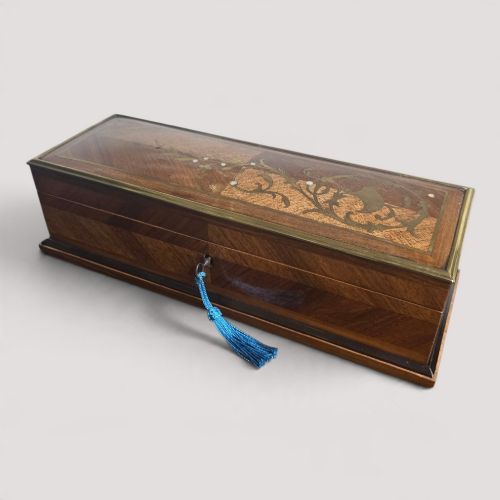
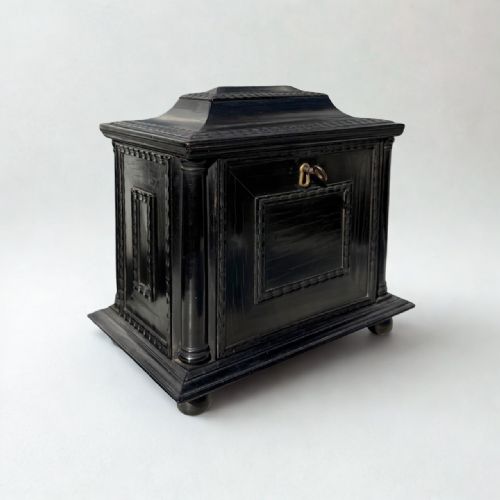
A parquetry jewellery box combines small-scale cabinetry with geometric surface decoration formed from contrasting timber tiles. These containers served as safe harbours for precious rings, keepsakes, and correspondence across the seventeenth, eighteenth, and nineteenth centuries.
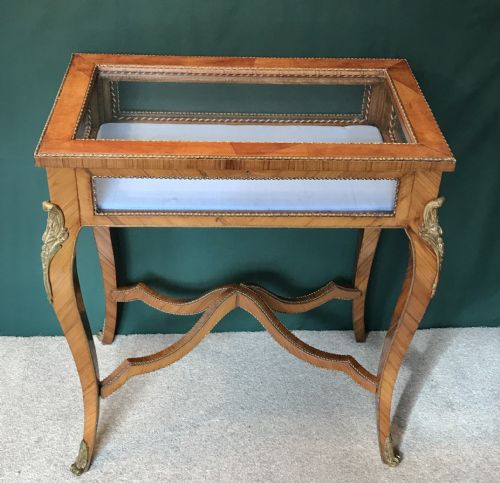
Victorian examples in walnut and burr walnut dominate the selection here, often incorporating Tunbridge ware or intricate inlay. Pieces range from simple keepsake trunks to fitted work boxes and miniature furniture designed for display.
How They Were Made
Cabinetmakers constructed the carcass from secondary timbers before applying thin veneers of exotic and native woods such as rosewood, kingwood, boxwood, and ebony. These individual timber sections were meticulously cut and pieced together to form geometric patterns or pictorial mosaics.
Surface detailing often included brass stringing, mother-of-pearl accents, or hand-painted panels set into the lid. Linings of velvet, silk, or watered paper completed the interior compartments for rings and pins.
Parquetry Jewellery Box Retail Price Guide 2026
Typical asking prices for parquetry jewellery box among the pieces listed under this phrase on Sellingantiques today, from the lower quarter to the upper quarter. They describe what is for sale here now, not the wider market.
Some nineteenth-century boxes feature miniature hand-painted dog panels with titles like 'The First Lesson' and 'Tired Out' tucked into the parquetry lid.
What Varies in Quality
The precision of the geometric woodwork dictates the distinction between standard production and master craftsmanship. Tighter joints between individual veneer tiles and crisper alignment of wood grains reveal superior bench work.
The Parquetry Jewellery Box Glossary
- Parquetry
- Geometric mosaic woodwork formed by fitting small veneer pieces together to create patterns on a surface. It transforms a plain box lid into a structured design of contrasting tones.
- Tunbridge Ware
- Woodworking originating in Kent featuring minute mosaic tesserae assembled to depict landscapes or geometric motifs. These tiny wooden tiles create remarkably detailed pictorial panels.
- Burr Walnut
- Timber taken from the abnormal growth of a walnut tree, yielding swirling, highly figured grain patterns. Cabinetmakers used these decorative veneers for primary display surfaces.
- Work Box
- A fitted container designed to hold sewing implements, threads, and small accessories. They frequently include lift-out trays and interior compartments.
- Veneer
- A thin slice of decorative wood applied over a stable base timber to provide an ornamental exterior. It allowed makers to utilise expensive hardwoods efficiently.
Parquetry Jewellery Box: Frequently Asked Questions
What is a parquetry jewellery box?
A parquetry jewellery box is a small lidded container decorated with geometric arrangements of contrasting wood veneers. These pieces were built to house precious trinkets, rings, and keepsakes on dressing tables.
They appear across various periods, with Victorian walnut versions being the most commonly encountered style. Their construction combines functional storage with intricate timber craftsmanship.
How were these boxes used originally?
Owners kept these caskets on dressing tables or writing desks to store valuable rings, brooches, and personal letters. Some variants included fitted interior trays specifically designed for sewing tools or pocket watches.
Their robust construction and lockable lids ensured personal treasures remained secure and organised. Today, they serve the same practical function while acting as decorative objects.
How do I date a wooden jewellery box?
Dating relies on examining the timber species, construction techniques, interior linings, and hardware styles. Victorian pieces frequently feature walnut carcasses with velvet interiors, while earlier seventeenth or eighteenth-century examples display different timber choices and carcass assembly methods.
Design motifs such as Tunbridge ware detailing or specific revival styles also help narrow down the period of manufacture. Comparing the locks and hinges provides further chronological clues.
How should I care for antique parquetry?
Keep wooden boxes out of direct sunlight and away from rapid temperature shifts to prevent the delicate veneer from lifting or cracking. Gentle dusting with a dry cloth is sufficient for routine maintenance.
Avoid using modern liquid polishes, which can seep into the grain or damage fragile antique finishes. Periodic application of appropriate wax helps preserve the lustre of the timber.