
Paper Watercolour Portrait Painting
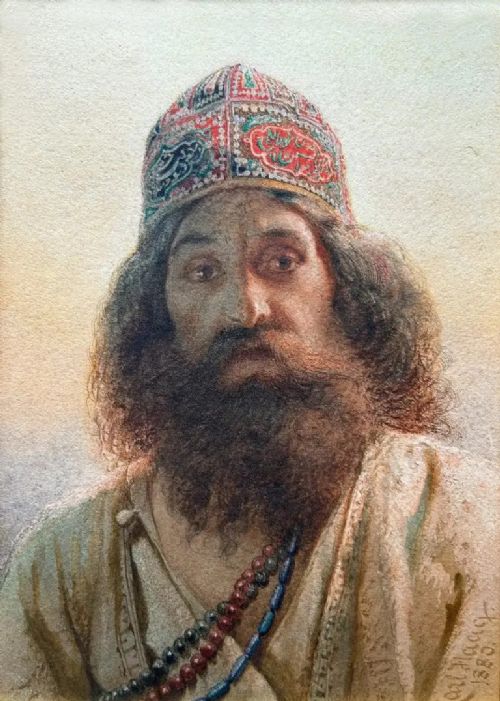
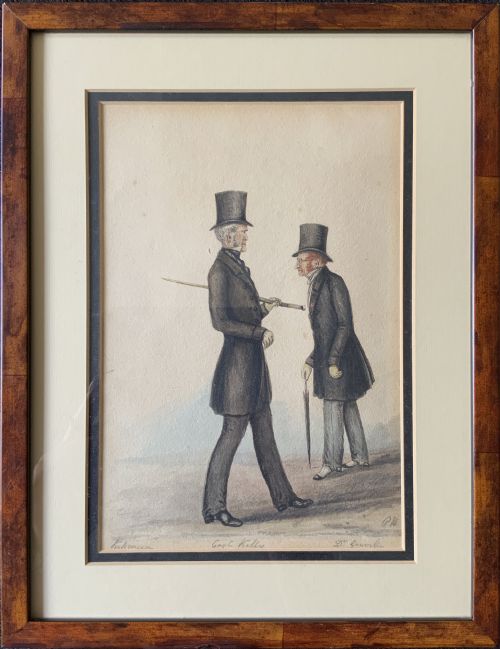
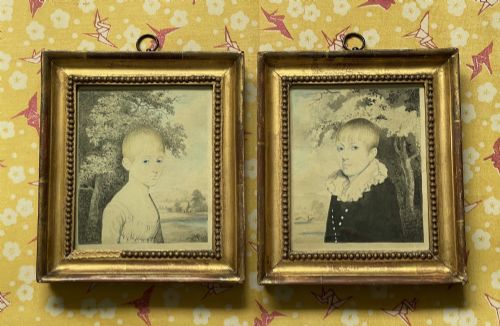
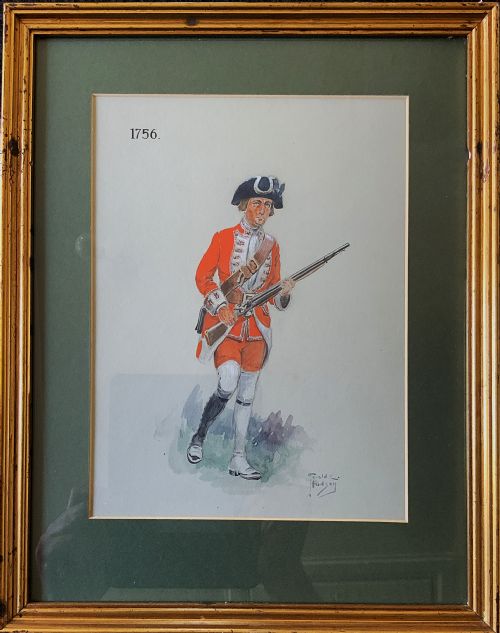
When you search for a paper watercolour portrait painting, you find works executed on paper using water-soluble pigments to capture individual likenesses from the Georgian, Victorian, and later periods.
Paper Watercolour Portrait Painting
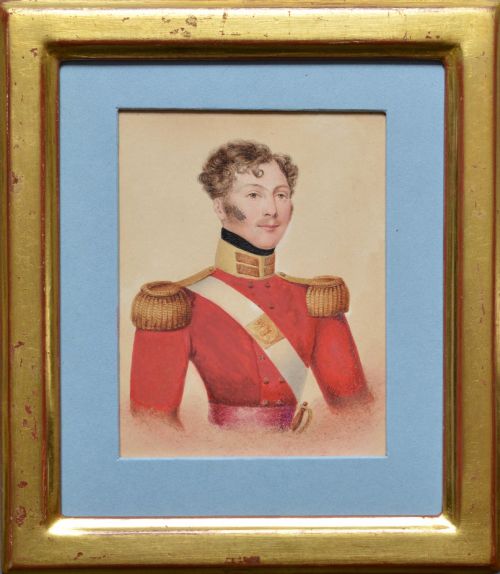
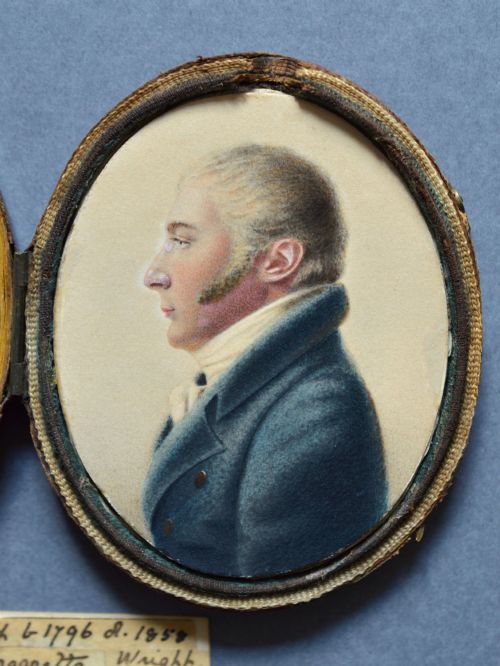
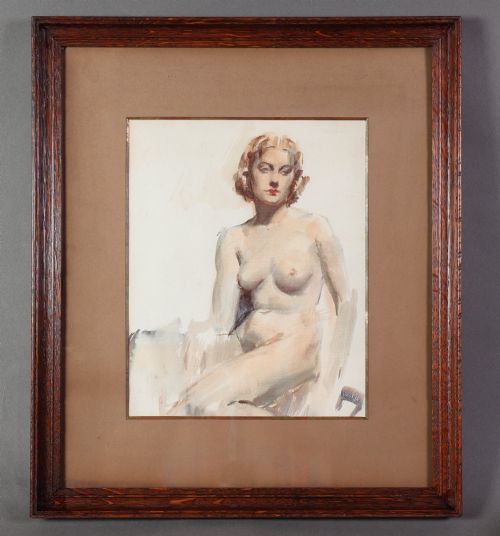
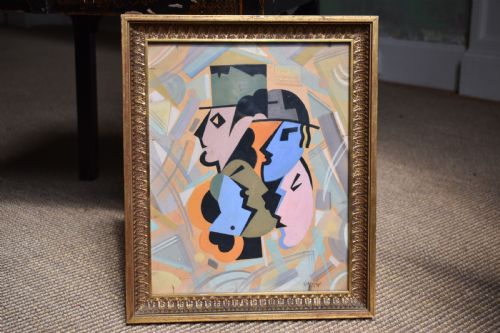
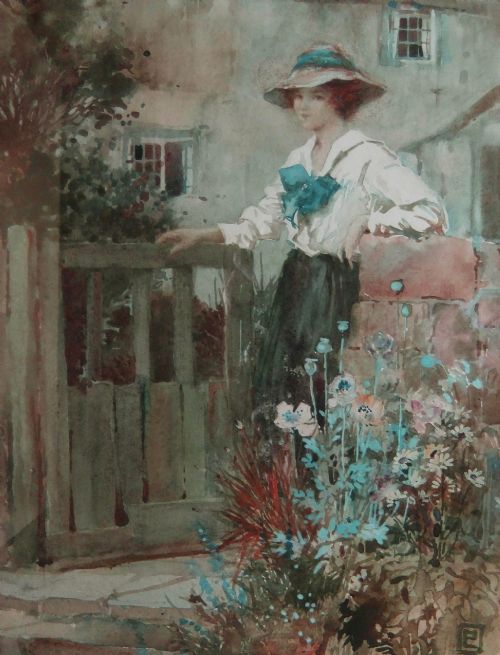
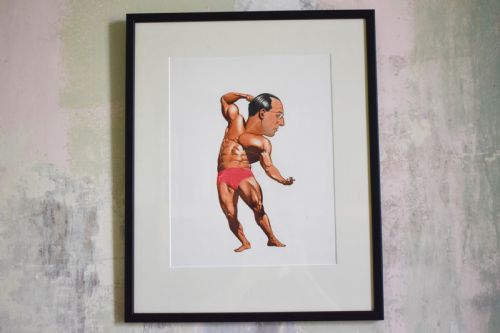
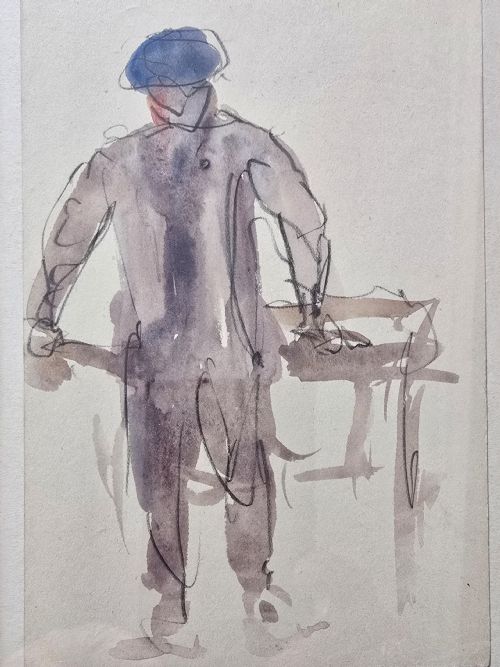
A paper watercolour portrait painting captures likenesses across the Georgian, Victorian, and Edwardian periods, stretching into the mid-twentieth century. The selection ranges from miniature profile studies to detailed genre scenes and military depictions.
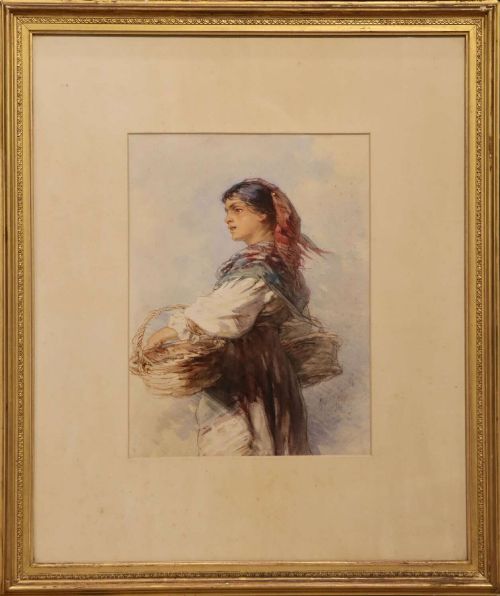
Most pieces you encounter on this page date from the nineteenth century, reflecting the popularity of water-based media for portable, framed likenesses. Subjects span from named officers and clergy to anonymous children and peasant figures.
Support materials vary from standard drawing paper to specialised surfaces like pith paper, often housed in period frames of wood, gilt, or maple with glass protection.
Materials and technique
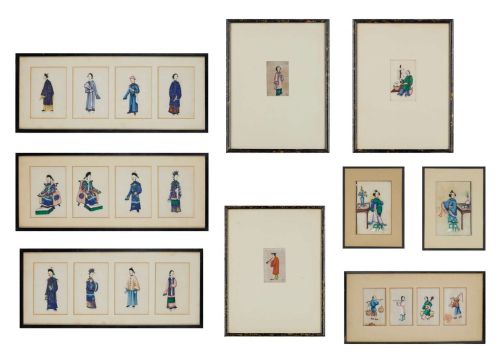
Support sheets range from fine woven papers to delicate pith paper used in Chinese export works, requiring careful mounting to prevent warping. Finished works were secured behind glass within wooden or gilt frames to protect the soluble pigments from moisture and fading.
Keep an eye out for the three-month-old subject depicted with surprising gravity in a naive Regency watercolour.
Distinctions in quality
The preservation of the paper support and the vibrancy of the pigments determine the visual impact of the piece. Clean paper free from heavy foxing and unfaded watercolours elevate the standing of the work.
Guido Bach·Sir James Dromgole Linton·Henry Stacy Marks·Thomas John Horsley·Carl Haag·Percy Lancaster·Michael Healy·Olga Choumansky·Philip Richard Morris·Alice Anne Renshaw·Filipo Indoni·J Bizo·Albin R Burt·Francis Wheatley·Helena Maguire·Adrian Jones·Arthur Todd·Thomas Woolnoth·Augustus Jules Bouvier
The Paper Watercolour Portrait Painting Glossary
- Watercolour
- A painting method where fine pigment is suspended in a water-soluble binder. The technique relies on the white of the paper showing through translucent washes of colour.
- Gouache
- An opaque watercolour medium containing pigment mixed with a binding agent and white filler. It provides solid, flat areas of colour and sharp highlights.
- Pith paper
- A delicate material derived from the pith of the Tetrapanax papyrifer plant, commonly used for nineteenth-century Chinese export paintings. It has a velvet-like texture that absorbs watercolour brilliantly.
- Wash
- A thin, fluid layer of diluted watercolour pigment spread evenly across the paper. It is often used to establish background tones or atmospheric skies.
- Foxing
- Brown spots and discolouration that develop on antique paper over time due to chemical reactions. Mild foxing is common in nineteenth-century works.
Paper Watercolour Portrait Painting: Frequently Asked Questions
What periods do these portraits cover?
The listings span from the Georgian and Regency eras through the Victorian and Edwardian periods, continuing into the mid-twentieth century. This range captures changing artistic tastes from formal military commissions to intimate family studies.
Nineteenth-century examples dominate the selection, offering a clear view of how portraiture evolved alongside domestic interior styles.
How should I frame and display them?
Paper watercolours require protection behind glass to shield the delicate pigments from atmospheric dust, moisture, and handling. UV-filtering glass helps prevent the subtle tones from fading under natural light.
Keep them away from direct sunlight and damp walls to preserve the integrity of both the paper support and the original frame.
How do I identify a Victorian example?
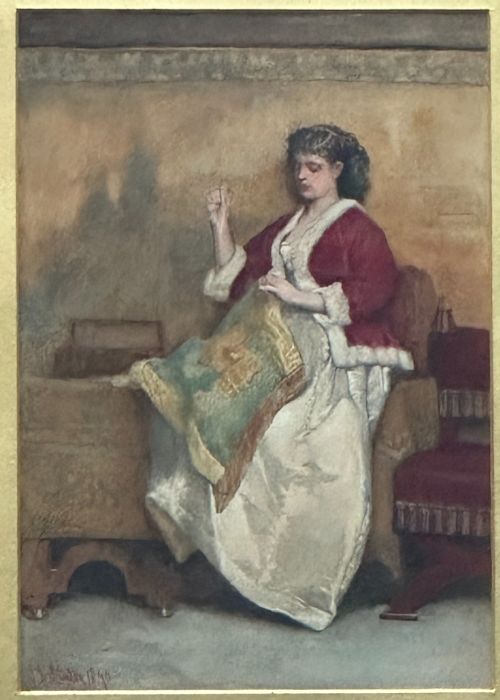
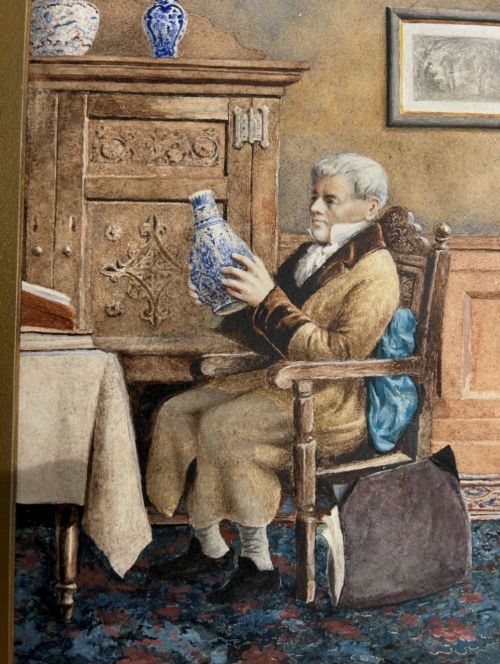
Victorian portraits often feature detailed clothing, rich gilt or maple frames, and subjects posed with personal objects or within domestic settings. Signatures, dates, and inscriptions on the reverse frequently confirm the exact decade.
The paper stock and framing materials from the period also provide strong clues to dating the work accurately.
What subjects are most common?
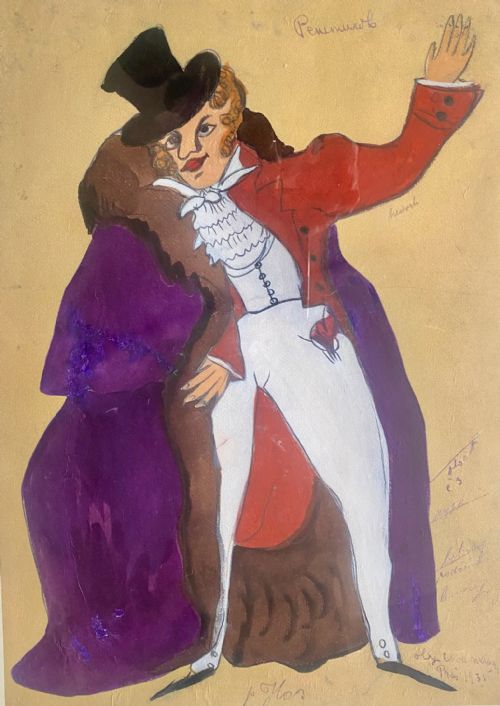
Subjects range widely from named officers, clergy, and children to peasant figures and theatrical characters. Genre scenes capturing everyday activities also appear alongside formal head-and-shoulders likenesses.
This variety reflects the nineteenth-century demand for both personal mementos and decorative art pieces.