


Paper Sporting Painting
These paper sporting painting works capture field sports, hunts and equestrian scenes on paper, offering collectors a direct link to traditional rural pursuits.
Paper Sporting Painting
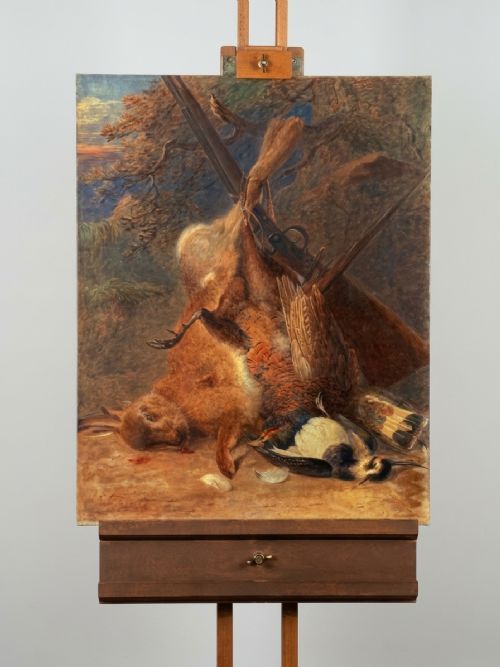
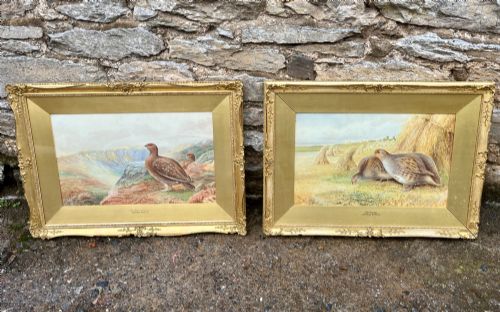
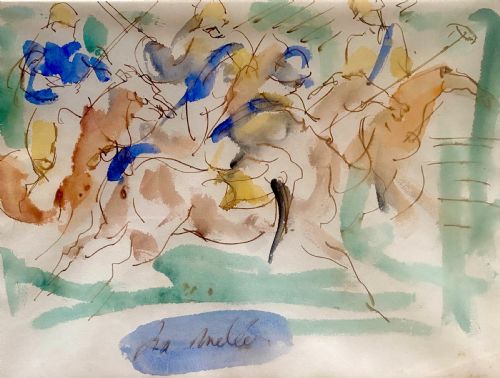
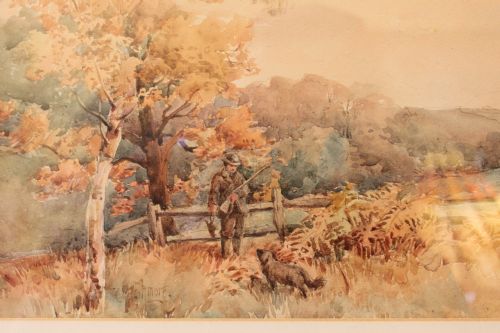
When you search for paper sporting painting, you are looking at works executed on paper surfaces that capture the subjects of traditional field sports, equestrian scenes and game. These pieces range from intimate sketches of game birds to large exhibition watercolours depicting hunts and matches.
You are most likely to meet works originating from the eighteenth, nineteenth and early twentieth centuries on this page. The forms span framed watercolours, original illustrations and monochrome hunt scenes created within British and European artistic traditions.
How they were made
Artists utilise watercolour pigment, bodycolour and ink applied directly to paper surfaces to build up detail and tone. These mediums allow for fluid washes in sky and landscape alongside precise line work in figures and animals.
Finished works are typically housed in traditional frames made of wood and giltwood, frequently protected beneath glass to preserve the paper and pigments from environmental damage over the centuries.
Listings feature works created across the eighteenth, nineteenth and twentieth centuries, using watercolour, bodycolour and ink on paper.
What varies in quality
The distinction between ordinary and exceptional works lies in the sureness of the draughtsmanship and the vitality of the subject matter. Master handlings capture movement in horses and hounds with economy and precision, whereas lesser examples remain stiff and static.
Condition of the paper and vibrancy of the pigment further separate examples. Works that retain their original colour without fading or extensive foxing represent the upper tier of surviving output.
George Sydney Shepherd·George Rankin·Francis Wheatley·Harry Davis·John Sanderson Wells·William J Hodgson·Frank Dadd·Arthur E Gonne·Charles Ashmore
The Paper Sporting Painting Glossary
- Watercolour
- A painting method in which the paints are made of pigments suspended in a water-based solution. It provides transparent washes of colour on paper.
- Bodycolour
- Watercolour mixed with a white pigment to make it opaque. This technique adds solid highlights and dense areas of tone.
- Giltwood
- Wood that has been treated and covered with gold leaf or a gold-coloured finish. It provides a traditional decorative border for framing antique works on paper.
- Equestrian
- Relating to horse riding and horses. This theme forms a core subject within sporting art.
- Monochrome
- Executed in a single colour or shades of just one colour. Such works rely entirely on tone and line rather than a full palette.
Paper Sporting Painting: Frequently Asked Questions
How should I hang these watercolours?
Keep works on paper away from direct sunlight to prevent the pigments from fading over time. Position them on interior walls with stable humidity levels.
Ensure the frame is properly sealed and that the paper does not touch the glass directly. Professional framing with acid-free mounts protects the integrity of the piece.
How do I date an antique painting?
Examine the paper stock, watermark, framing style and signature if present. Stylistic clues within the clothing and equipment depicted often point to a specific decade.
Compare the technique and handling with documented works by known artists from the same period. Documentation or exhibition labels on the reverse offer further chronological proof.
What is the difference between watercolour and bodycolour?
Standard watercolour is transparent, allowing the white of the paper to shine through the washes of pigment. It creates luminous, light-filled skies and landscapes.
Bodycolour contains added white pigment, making the paint opaque. Artists use it to add solid highlights, dense clouds or opaque details over watercolour washes.
Are these works original or prints?
The pieces listed here are original hand-painted works executed directly on paper by the artist. You will see brushstrokes, ink lines and pigment texture upon close inspection.
They are distinct from mass-produced lithographs or mechanical prints. Each sheet represents a unique act of creation.