





Paper Silhouette Art
Paper silhouette art brings intimate 18th-century and 19th-century profiles to life through delicate cutting, painting, and collage.
Paper Silhouette Art
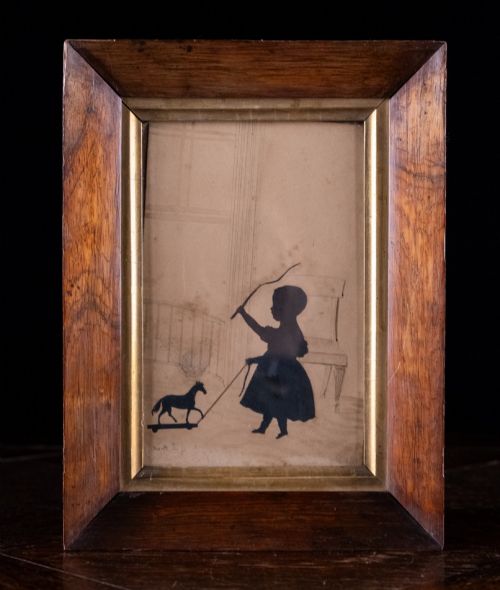
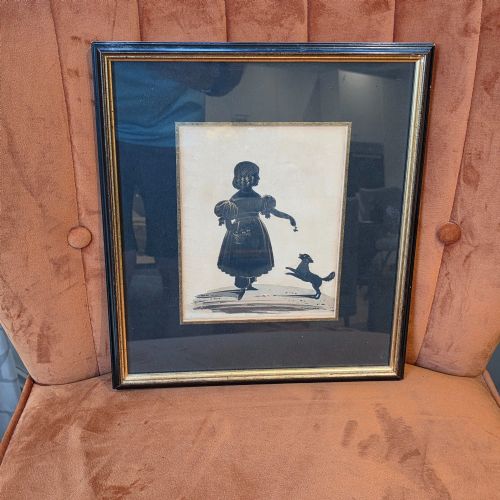
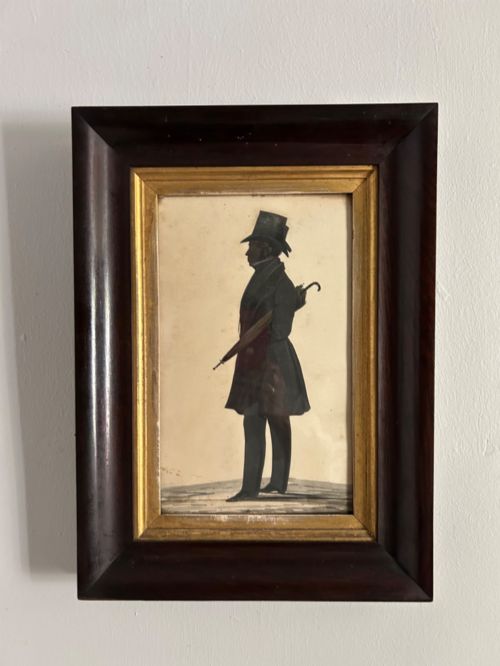
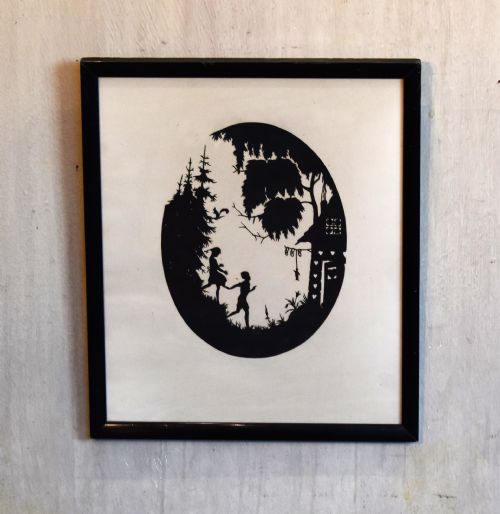
Paper silhouette art encompasses framed portraits, wall art, and conversation pieces that capture historical likenesses and scenes. When exploring paper silhouette art, a buyer encounters works spanning the Georgian, Regency, and Victorian periods, alongside later 20th-century examples.
The most common forms on this page include individual silhouette portraits of gentlemen, ladies, and children, frequently housed in traditional wooden frames. These pieces range from simple cut paper profiles to elaborate multi-figure compositions with ink and watercolour details.
Materials and Techniques
Framing materials such as maple, ebony, and brass complemented the delicate nature of the artwork, while protective glass preserved the paper and pigments from atmospheric damage.
Paper Silhouette Art Retail Price Guide 2026
Typical asking prices for paper silhouette art among the pieces listed under this phrase on Sellingantiques today, from the lower quarter to the upper quarter. They describe what is for sale here now, not the wider market.
The listings feature diverse materials including brass, gold leaf, and maple alongside traditional paper and ink.
Distinctions in Quality
The distinction between standard examples and exceptional pieces rests upon the precision of the cutting and the crispness of the profile. Superior works demonstrate meticulous control in capturing minute details of costume and expression without relying heavily on surface paint.
Context adds depth to quality, particularly when a piece retains artist signatures, gallery stamps such as the Hubard Gallery, or well-documented provenance connecting the sitter to a known historical milieu.
William James Hubard·Augustin Edouart·Frederick Frith·Alfred Darbyshire·George Atkinson·John Smith of Edinburgh·Nathaniel Bermingham·Skeolan
The Paper Silhouette Art Glossary
- Silhouette
- A portrait represented as a solid shape of a single colour, usually black, matching the outline of the subject's profile. This form of art gained immense popularity during the 18th and 19th centuries before photography.
- Cut Paper
- An artistic technique where shapes and portraits are formed by cutting directly into paper with specialised scissors or blades. This method relies entirely on steady hands and precise visual judgement.
- Gilt
- A thin layer of gold leaf applied to paper or frame surfaces to create decorative highlights. Artists utilised gilding to illuminate dress details, jewellery, and background accents in profile portraits.
- Conversation Piece
- An informal group portrait depicting people engaged in common activities or interacting within a setting. In silhouette work, these complex compositions often show families or children with animals.
Paper Silhouette Art: Frequently Asked Questions
How do I identify a Regency silhouette?
Regency silhouettes frequently feature meticulous hand-cut paper profiles mounted on card, often enhanced with delicate gold leaf highlights or subtle watercolour details. The sitters commonly wear distinctive period attire such as high-collared coats for gentlemen and turban caps or elaborate hairstyles for ladies.
The framing also provides clues, as Regency examples often utilise distinct timber surrounds or convex glass to protect the paper art. Examining the style of dress and the mounting technique helps place an unmarked piece firmly within this era.
What is a Hubard Gallery silhouette?
A Hubard Gallery silhouette originates from the commercial cutting establishment operated by William James Hubard during the 19th century. These works often bear stamps or attribution associated with the London gallery and showcase exceptional technical proficiency in cut paper portraiture.
Collectors prize these specific pieces for their documented historical connection to one of the period's most prominent silhouette enterprises. The cutting on these works is typically very fine, capturing accurate likenesses of sitters from that era.
How should I hang framed silhouettes?
Framed silhouettes require placement away from direct sunlight to prevent the delicate black paper and watercolour pigments from fading over time. Maintaining stable indoor humidity levels also protects the paper and the wooden frames from warping or deterioration.
Grouping several smaller pieces together on a wall creates a striking display reminiscent of historic domestic interiors. Ensure the hanging hardware securely supports the weight of the specific frame, whether it is maple, ebony, or brass.
Are these pieces hand-cut?
The majority of traditional pieces on this page are hand-cut from black paper using fine scissors or craft knives. Artisans developed remarkable dexterity to snip intricate profiles and full-length figures directly from life or from preliminary sketches.
Closer inspection under magnification often reveals the subtle, crisp edges left by manual cutting rather than mechanical stamping or later printing methods. This manual execution accounts for the individual character found in each historical portrait.