

Paper Portrait Sketch
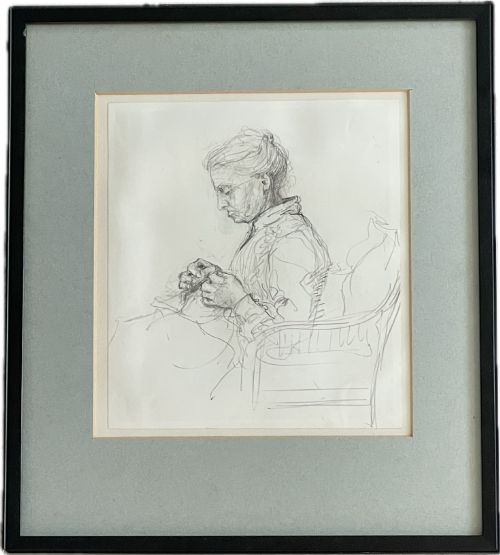
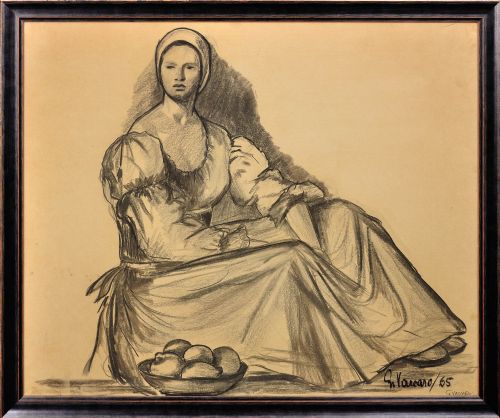
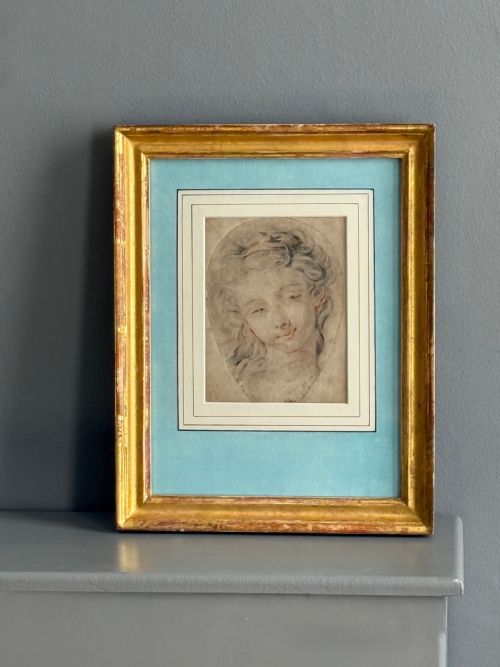
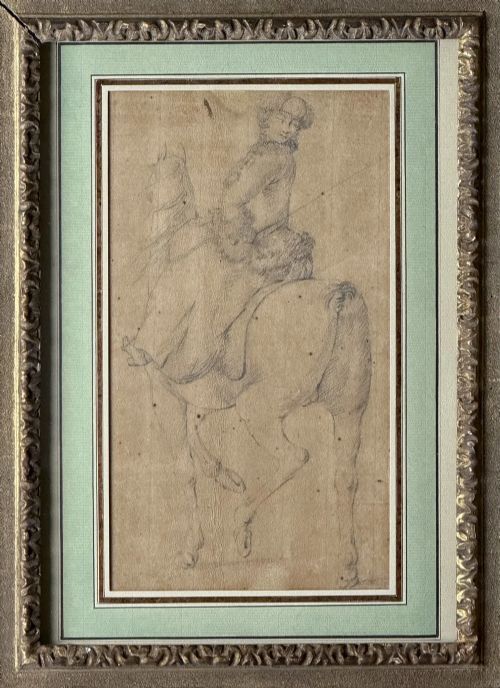
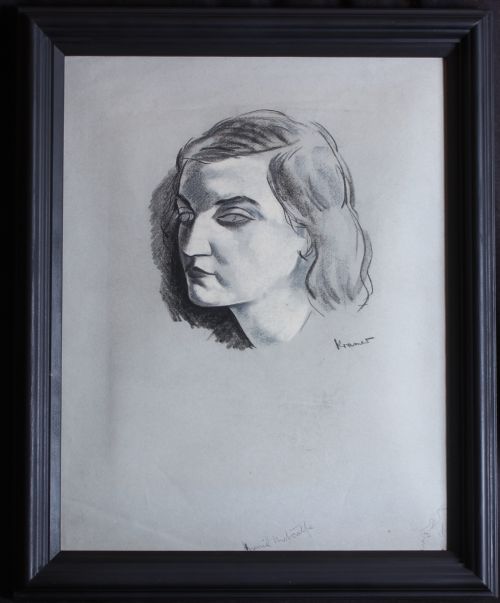
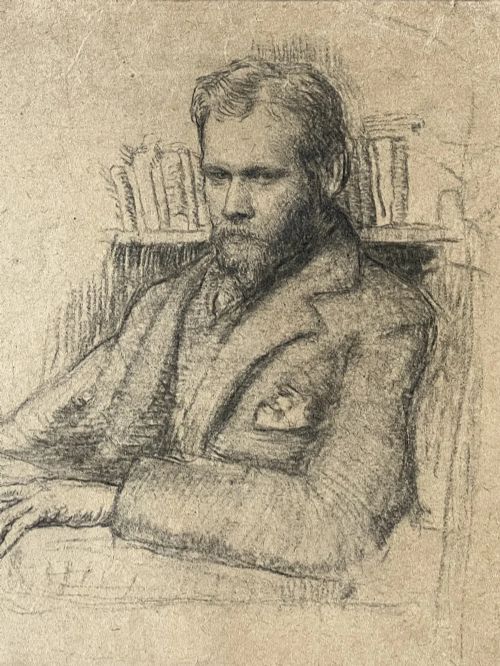
When you search for a paper portrait sketch, you are looking at intimate historical character studies and life drawings captured on paper using graphite, charcoal, chalk, or ink.
Paper Portrait Sketch
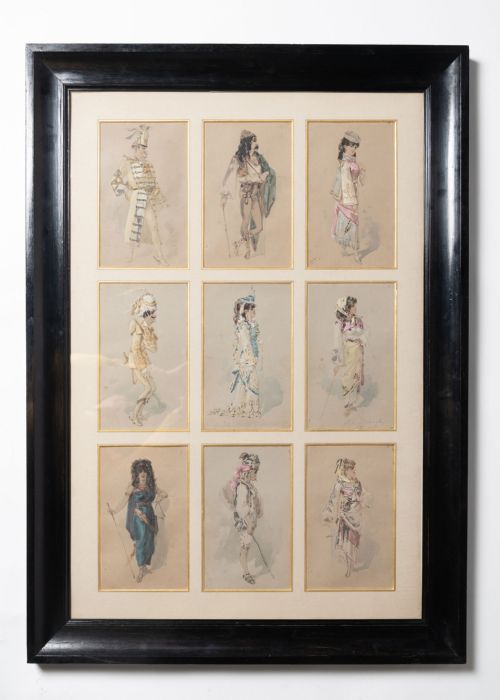
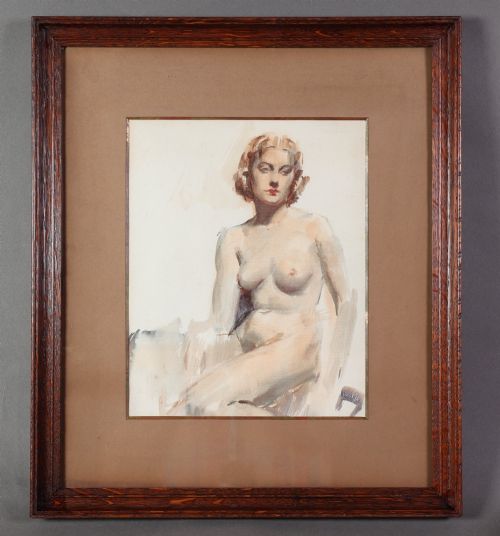
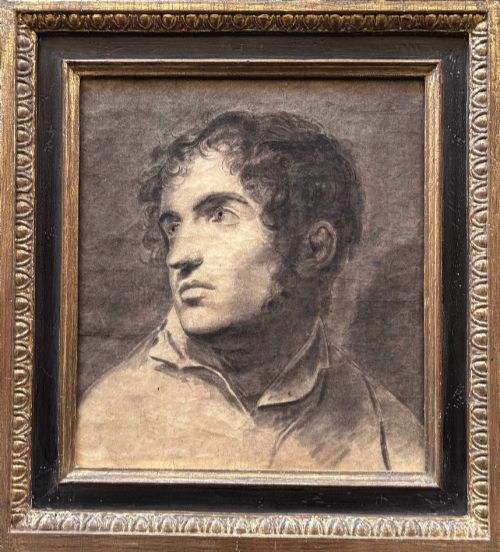
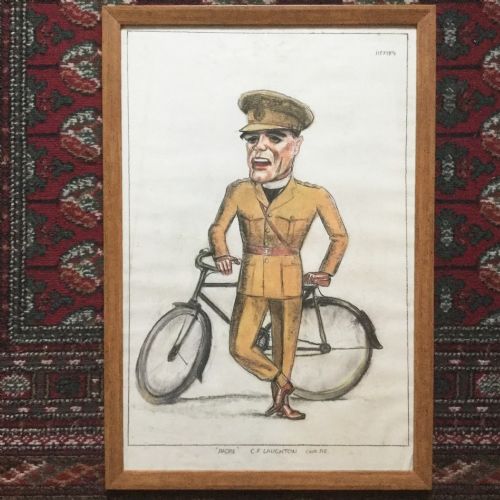
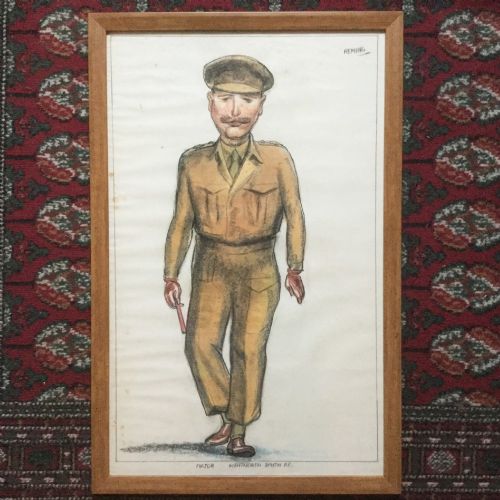
A paper portrait sketch on this page typically originates from periods spanning the eighteenth, nineteenth, and twentieth centuries, including Georgian, Victorian, Regency, and mid-century eras. The works appear as framed drawings, original wall art, and academic life studies capturing sitters ranging from historical figures and officers to anonymous sitters and children.
Buyers encounter diverse regional schools, including British, French, and Northern European examples, rendered in styles from Academic Realism and Art Deco to Modern British. These items function as direct records of historical draftsmanship, preserved behind glass in period frames.
How they were made
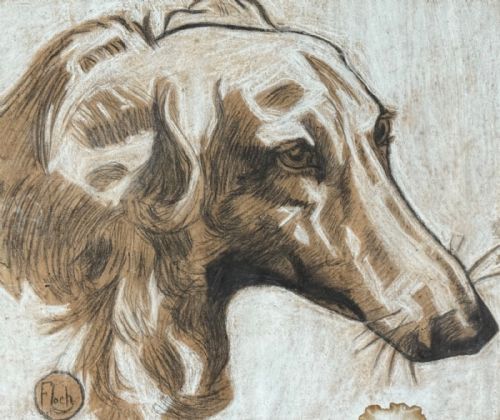
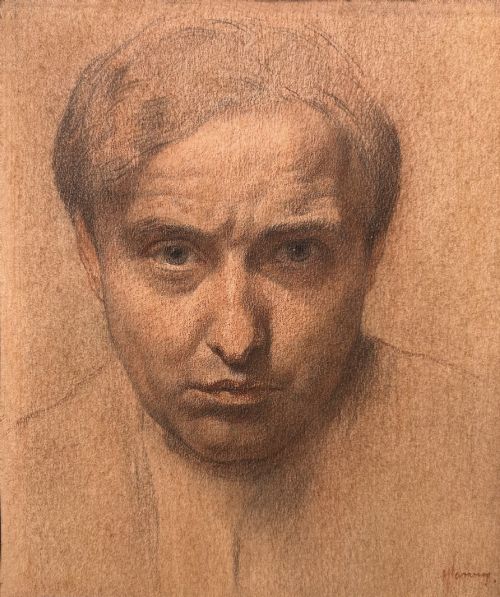
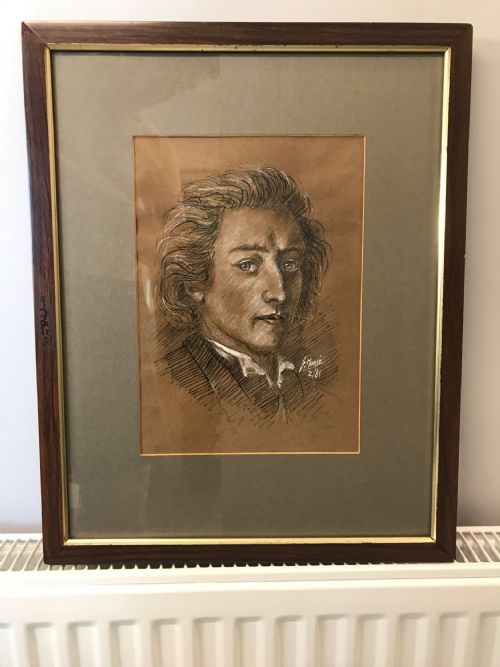
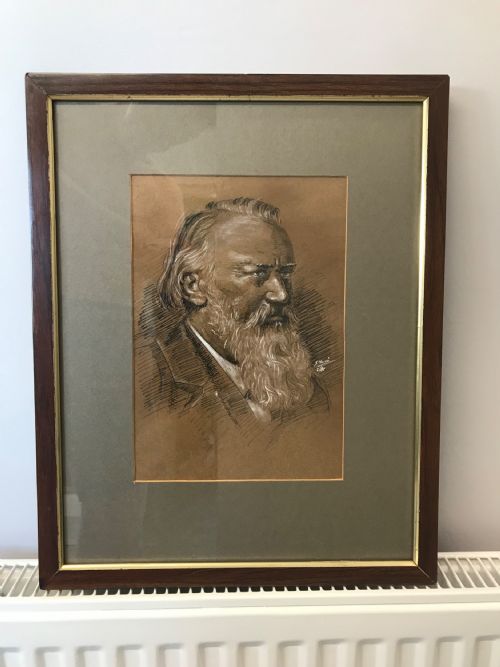
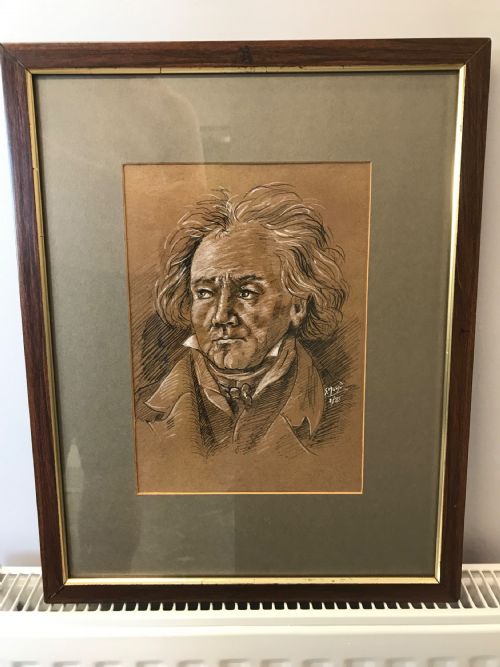
Artists executed these works directly onto paper supports using dry media such as graphite, charcoal, and chalk, or fluid mediums including pen, ink, wash, gouache, and watercolour. Many pieces utilise buff or tinted paper to allow highlights in white chalk or gouache to stand out against the background.
The technique relies on immediate hand-drawn lines and tonal shading to capture likeness and form quickly, sometimes serving as preparatory studies for larger oil paintings or standing alone as finished portraits.
Paper Portrait Sketch Retail Price Guide 2026
Typical asking prices for paper portrait sketch among the pieces listed under this phrase on Sellingantiques today, from the lower quarter to the upper quarter. They describe what is for sale here now, not the wider market.
The inventory spans multiple centuries, reaching from the seventeenth century through to the post-war nineteen-fifties.
What varies in quality
Quality in these works rests upon the surety of the draughtsman's line, the expressiveness of the sitter's rendered expression, and the compositional balance across the paper sheet. Superior examples demonstrate confident anatomical understanding and psychological depth rather than rigid copying.
The preservation of the paper support, the clarity of the medium without excessive fading, and the appropriateness of the framing further distinguish finer studio drawings from routine academic exercises.
Francois Boucher·Augustus John·Sir Peter Lely·Frédéric Chopin·Ludwig van Beethoven·Johannes Brahms·Sir Thomas Lawrence·Sir Edwin Landseer·Hans Holbein·Van Dyck·Lucien Freud
The Paper Portrait Sketch Glossary
- Gouache
- An opaque water-based paint that provides solid, flat areas of colour and sharp highlights on paper.
- Sanguine
- A reddish-brown chalk or crayon used historically for figure drawing and portrait sketches.
- Wash
- A thin, transparent layer of diluted ink or watercolour applied with a brush to create tonal depth.
- Buff paper
- A warm, pale yellowish-brown paper stock frequently used by artists to receive white heightening.
- Life study
- An artwork produced by observing a live model directly, often within an academic or studio setting.
Paper Portrait Sketch: Frequently Asked Questions
How should I hang my sketch?
Display your drawing away from direct sunlight to prevent the paper and water-based pigments from fading over time. Keep them in rooms with stable humidity levels to protect both the paper and the antique frame.
Ensure the piece remains safely glazed behind glass, and use professional picture wire secured to studs or proper wall anchors for weight distribution.
Are these works original art?
Yes, the pieces listed are hand-drawn or painted original works on paper, executed directly by the artist rather than being mechanical reproductions or modern prints. Each item bears the distinct touch of the maker's hand.
Look closely at the surface under magnification to observe the physical indentations of pencils, chalk dust, or the pooled edges of ink and gouache washes.
How do I identify the period?
Examine the watermark on the paper where visible, the style of the clothing or hairstyle of the sitter, and the framing materials used. Handwritten notes on the reverse often provide clues to the date.
Comparing the handling of the medium to documented works from specific stylistic eras like Regency or Art Deco also helps narrow down the decade of creation.
What is an academic study?
An academic study is a drawing or painting created by an artist to practice anatomy, lighting, and composition, often featuring nude or draped models in formal studio settings. These pieces showcase rigorous training.
Such works provide insight into historical art education methods, where students spent hours mastering proportion and shadow before undertaking major commissions.