


Paper Maritime Painting
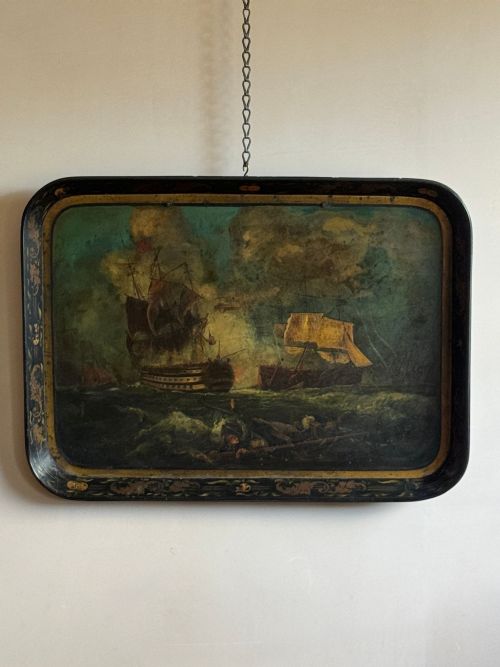
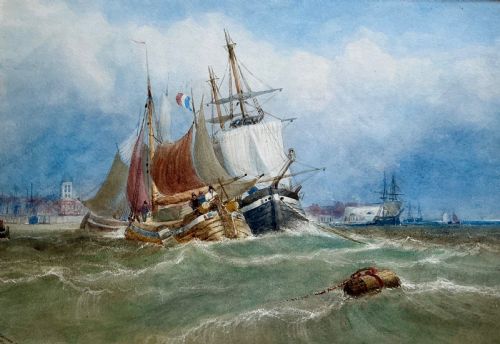
These paper maritime painting works capture coastal views, harbours, and sailing vessels rendered on paper through watercolours, ink, and gouache.
Paper Maritime Painting
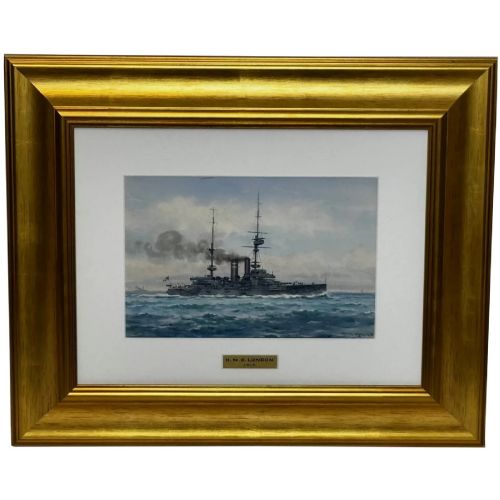
A paper maritime painting encompasses original watercolours, drawings, and gouache works created to document coastal life, shipping, and naval vessels. Buyers exploring this category encounter works ranging from late Georgian and Victorian scenes to mid-century coastal watercolours.
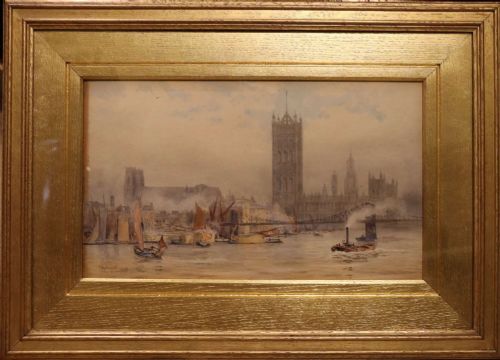
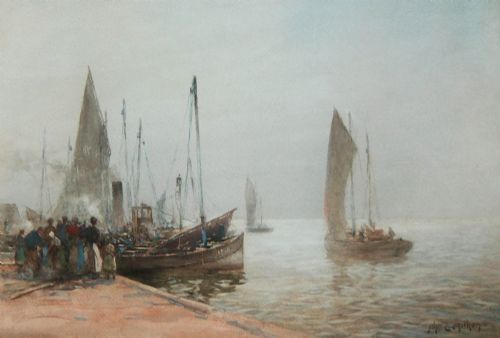
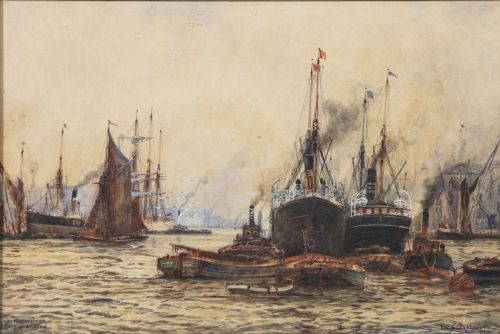
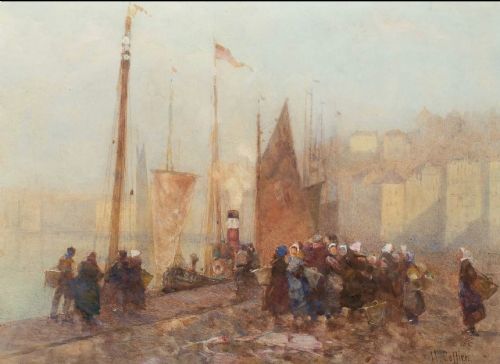
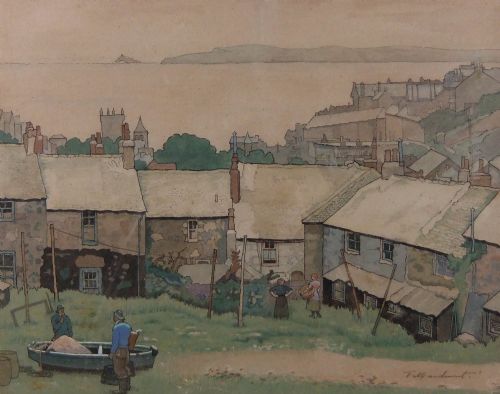
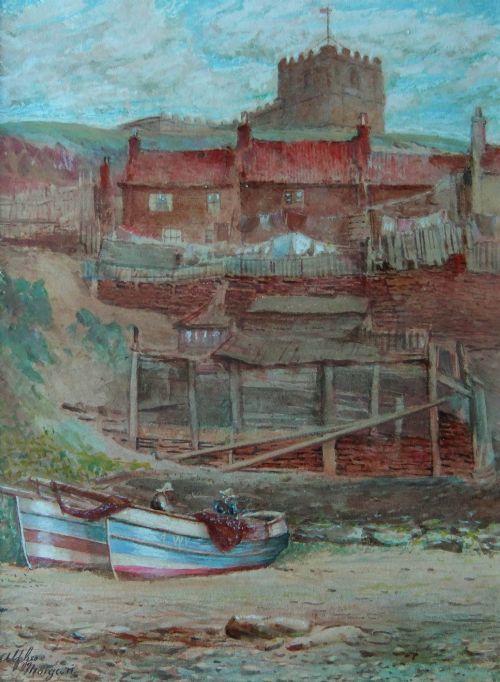
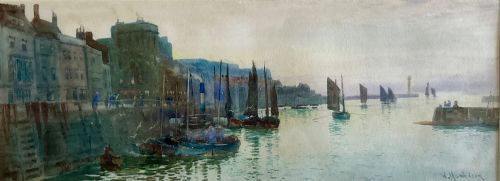
The most common examples on this page are nineteenth-century and early twentieth-century British watercolours depicting harbours, fishing boats, and coastal towns such as Whitby, St Ives, and Scarborough. These pieces reflect a period when maritime trade and seaside topography formed a central subject for artists.
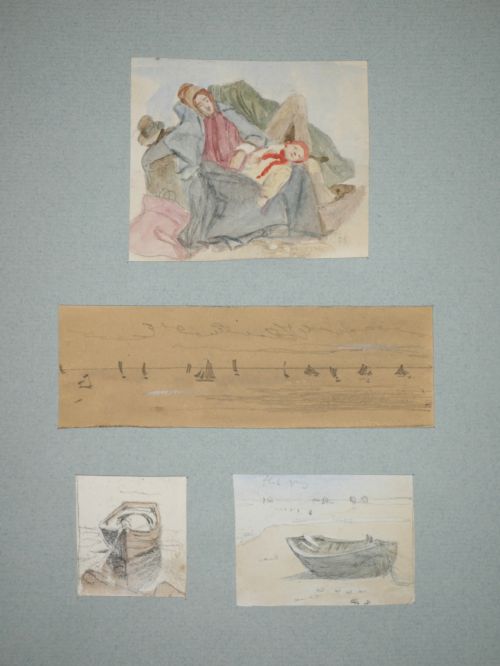
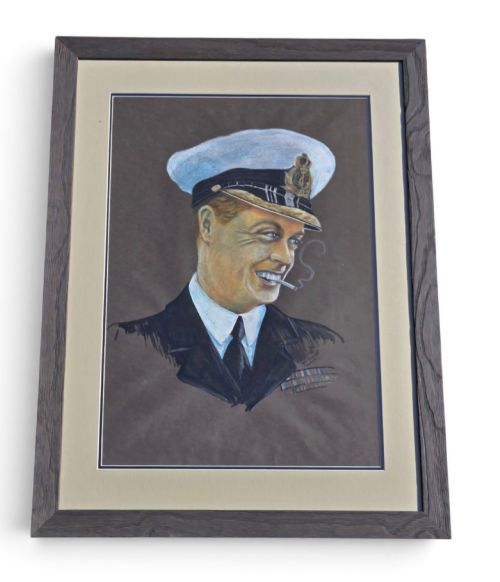
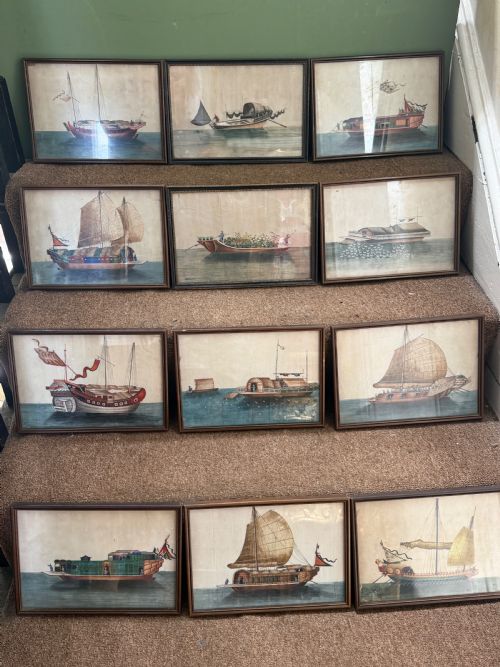
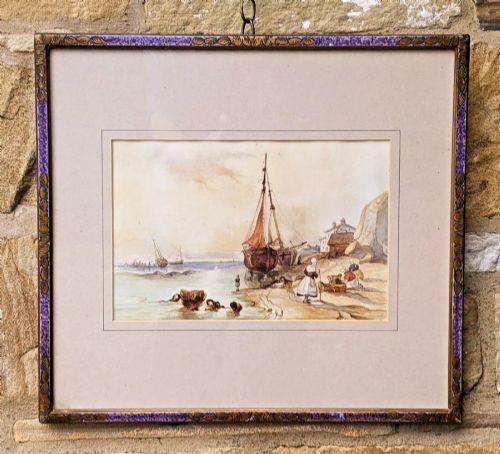
Works on paper take various forms, including framed paintings, wall art, and marine sketches executed by named regional artists and occasional international schools. They offer a direct window into historical coastal topography and maritime activity.
Materials and technique
Artists applied watercolour pigment, ink, and gouache onto paper supports, sometimes utilising woodblock prints alongside painted works. Watercolours permitted rapid execution on location, capturing shifting light over sea and sky with transparent washes.
Framed presentation typically involves glass and wood surrounds to protect the fragile paper substrate from moisture and handling. Pigments interact with the paper base, relying on the white of the sheet to supply highlights in seafoam and clouds.
Listings feature works predominantly executed on paper using watercolour, ink, and gouache, spanning the Victorian era to the mid-twentieth century.
Evaluating quality
Quality rests in the sureness of the brushwork and the artist's command of light, atmosphere, and maritime architecture. Stronger examples demonstrate precise handling of rigging, hull forms, and coastal topography without stiffness.
Condition of the paper and pigment stability separate finer works from lesser items. Tonal depth, minimal fading, and the retention of crisp detail in complex harbour scenes distinguish the premier examples in this field.
H. Medlycott·James Orrock·James Smetham·James E. Aitken·Frank Watson Wood·Frank William Scarbrough·Hector Caffieri·Thomas Maidment·Alfred G. Morgan·William Matthison·Henry Barlow Carter·F A Roylance·George F Pennington·William Frederick Settle·Paul Delvaux·Commander Eric Tufnell·Thomas Bush Hardy·Edward Seago·Robert Leslie Howey·Tom Clough·William Tuck·F J Aldridge·James Watson·Frank H. Mason·George Hamilton Constantine
The Paper Maritime Painting Glossary
- Gouache
- An opaque watercolour paint containing pigment mixed with a binding agent and white filler, producing solid areas of colour. It allows artists to introduce bright highlights over transparent washes.
- Seascape
- A work of art depicting the sea, ships, or coastal views. These subjects formed a major focus for nineteenth and twentieth-century painters.
- Watercolour
- A painting method in which the pigments are suspended in a water-based solution. The paper surface remains visible beneath translucent washes.
- Marine art
- Artistic works that document ships, harbours, naval engagements, and coastal life. It encompasses detailed ship portraits as well as atmospheric coastal landscapes.
Paper Maritime Painting: Frequently Asked Questions
What subjects appear in these paintings?
The works depict coastal scenes, fishing boats, merchant shipping, and naval vessels across British and European waters. Harbours, docks, and coastal towns form recurring backdrops for the maritime activity shown.
Artists frequently recorded specific locations, documenting local craft such as cobles and herring drifters alongside larger ships at sea or anchored in port.
How should paper art be framed?
Paper watercolours require framing behind glass to protect the pigment and paper surface from atmospheric moisture, dust, and direct handling. Acid-free mounts prevent chemical damage to the paper over time.
Keeping framed works out of direct sunlight preserves the fugitive watercolours and prevents the paper from yellowing or fading.
When were these watercolours created?
The inventory spans from the eighteenth century through the mid-twentieth century, with a heavy concentration of nineteenth-century and Edwardian pieces. Victorian and early twentieth-century works reflect the height of British maritime painting.
Dates often appear within the titles or signatures on the paper, helping to place individual works within a specific decade.
How do you identify different maritime vessel types?
Vessels are identified by their rigging, hull configuration, and intended use, such as multi-masted clippers, naval men-of-war, or regional fishing cobles. Historical watercolours provide accurate records of period ship design and rigging details.
Artists trained in marine painting observed the specific structural traits of contemporary shipping, allowing modern viewers to distinguish between commercial sail and naval vessels.