


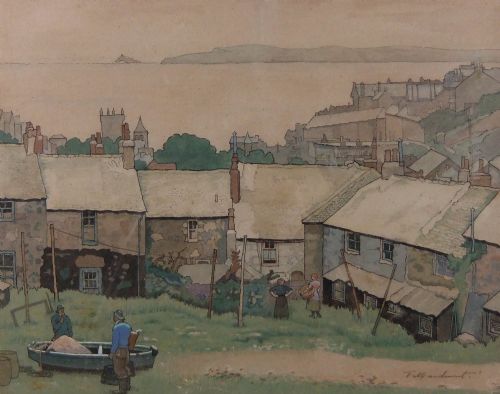
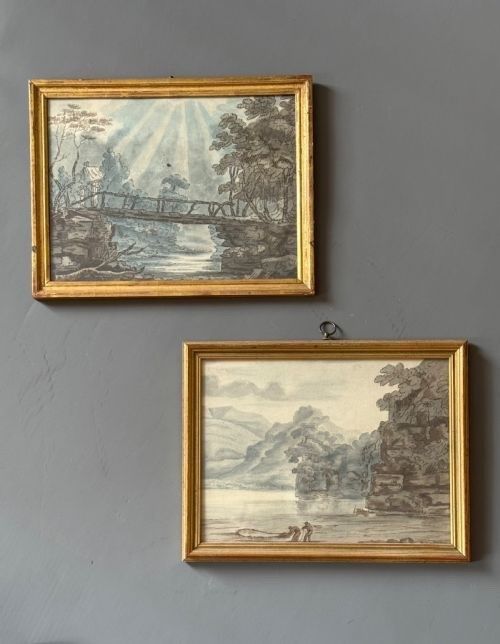
Paper Landscape Wall Artwork
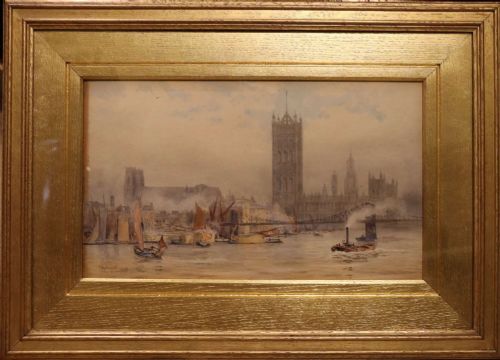
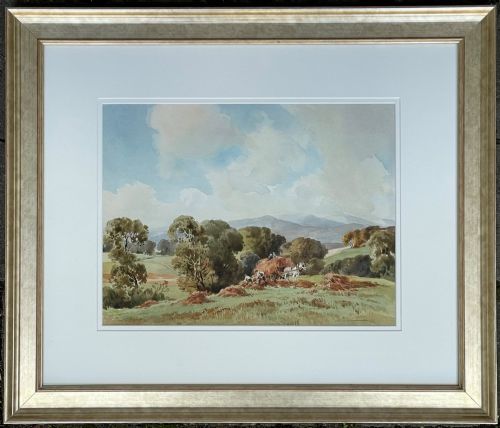
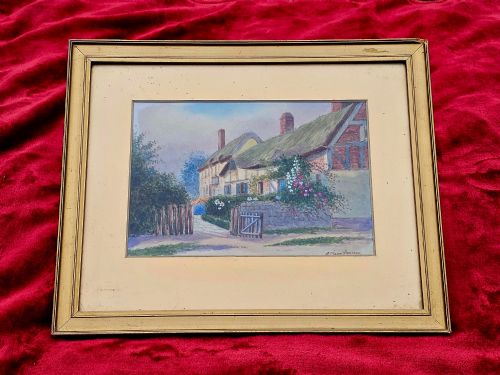
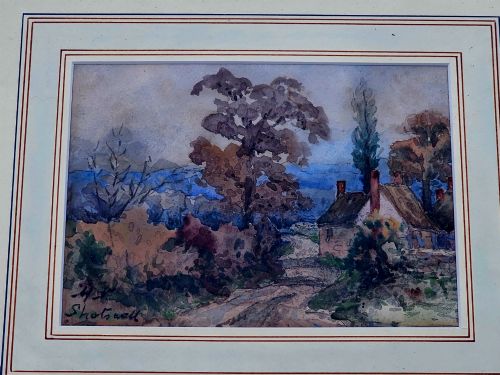
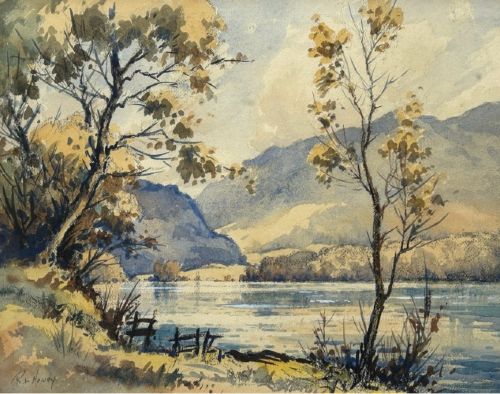
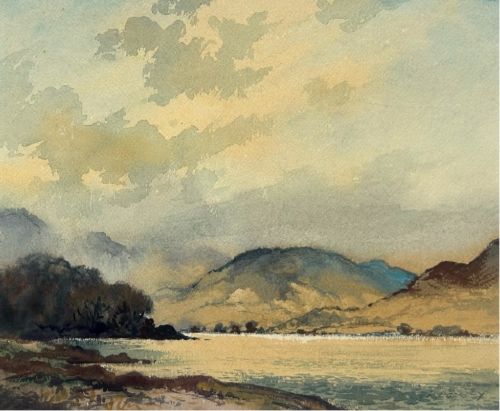
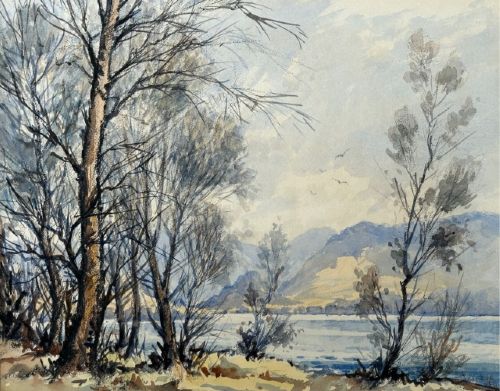
Paper landscape wall artwork brings together delicate watercolours, ink sketches and woodblock prints depicting river valleys, coastal harbours and country scenes.
Paper Landscape Wall Artwork
Paper landscape wall artwork covers framed pictures executed on paper surfaces, capturing scenes from the nineteenth and twentieth centuries. Buyers encounter traditional British watercolours, pen and ink drawings, pastels and woodblock prints.
Most examples originate from the Victorian, Edwardian and mid-twentieth-century periods, mounted behind glass in period timber frames. Such pieces provide an intimate glimpse into historical topography and domestic artistic output.
How they were made
Makers applied watercolour pigment, ink and gouache onto various grades of paper support using fine hairbrushes and steel pens. Watercolour paint relied on water-soluble binders to achieve translucent washes, while ink created sharp linear details.
Many works incorporate protective glass glazing set inside wooden frames to safeguard the fragile paper surface from atmospheric moisture and handling damage. Print techniques such as lithography and woodblock carving utilised inked blocks or stones to transfer impressions onto paper sheets.
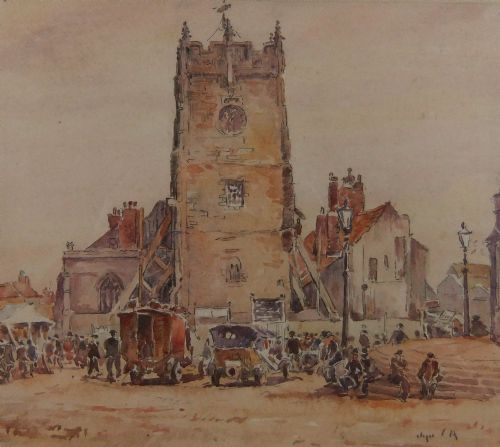
A stray Romany gypsy caravan resting near a Nottingham round house offers a charming glimpse into nomadic camp life.
What varies in quality
Skill in handling pigment density, tonal contrast and spatial depth distinguishes accomplished works from simpler sketches. Strong compositions demonstrate confident brushwork and a clear understanding of natural light within the landscape.
The condition of the paper surface and the integrity of the original framing influence the overall standard of each piece. Well-preserved pigments retain their original vibrancy without excessive fading or discoloration from age.
James Orrock·Alfred Young Nutt·Percy Lancaster·Robert Leslie Howey·David Roberts·Shiro Katamatsu·William Frederick Settle
The Paper Landscape Wall Artwork Glossary
- Watercolour
- A painting method where fine pigment is suspended in a water-soluble binder and applied to paper. This technique allows for translucent washes and delicate tonal layering.
- Woodblock print
- An image created by carving a design into a block of wood, applying ink, and pressing it onto paper. Japanese and European makers utilised this method for graphic clarity.
- Lithography
- A planographic printing process based on the mutual repulsion of oil and water. Artists drew on stone or metal plates to produce multiple exact impressions.
- Pastel
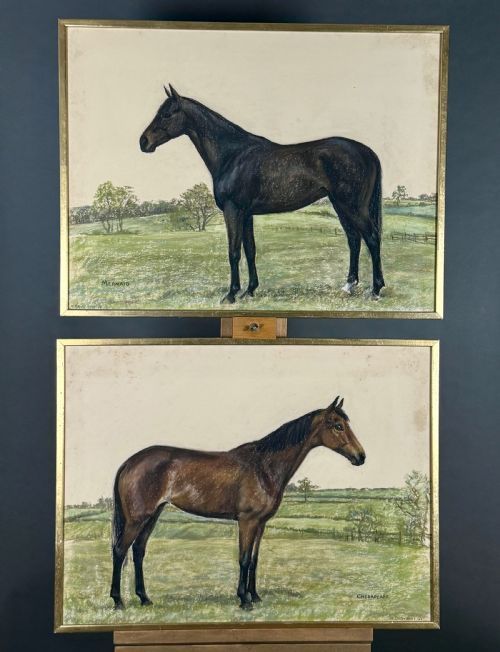
- A dry drawing medium consisting of powdered pigment combined with a binder. Pastels create soft, velvety textures suited for atmospheric landscape and equestrian studies.
- Gouache
- An opaque water-based paint that includes a white pigment filler for heavier coverage. This medium provides solid areas of colour and sharp highlights alongside watercolour.
Paper Landscape Wall Artwork: Frequently Asked Questions
How should I frame paper landscape wall artwork?
Mount the artwork using acid-free materials to prevent the paper from yellowing or degrading over time. Ensure the glass does not touch the surface of the painting directly.
Keep the framed piece away from direct sunlight to protect watercolours and inks from fading. Proper sealing at the back protects the paper from dust and humidity.
What is the difference between a watercolour and a gouache?
Watercolours are translucent, allowing the white of the paper to shine through the thin layers of pigment. This creates a luminous quality characteristic of traditional British landscapes.
Gouache includes added white filler, making the paint opaque and solid. Artists often combine both mediums on paper to achieve contrasting areas of light and shadow.
How do I identify the period of an antique watercolour?
Examine the framing style, paper watermarks and artist signatures recorded on the piece. Victorian and Edwardian works often feature specific mounting techniques and handwritten inscriptions in ink.
Subject matter and costume clues within figurative landscape elements also point to specific decades. Stylistic markers such as Impressionist brushwork help narrow down the date of execution.
Are woodblock prints considered paintings?
Woodblock prints are distinct works created through a mechanical printing process rather than direct brush application. They involve carving an image into wood and transferring ink onto paper sheets.
While not unique paintings, original prints carry artistic value determined by the skill of the carver and publisher. Each impression reflects the aesthetic movements of its production era.