




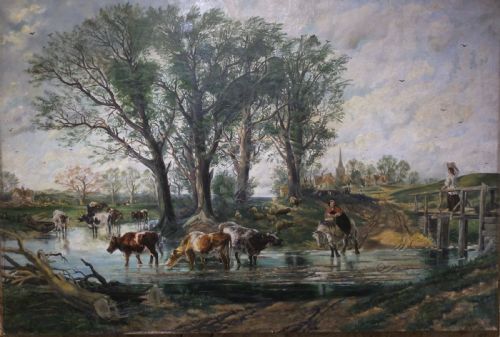
Antique Countryside Stream Painting
An antique countryside stream painting brings the quiet charm of rural waterways and pastoral banks directly onto your wall.
Antique Countryside Stream Painting
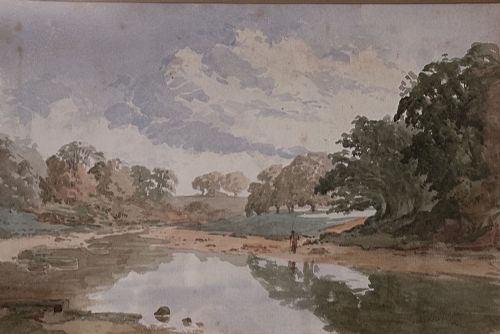
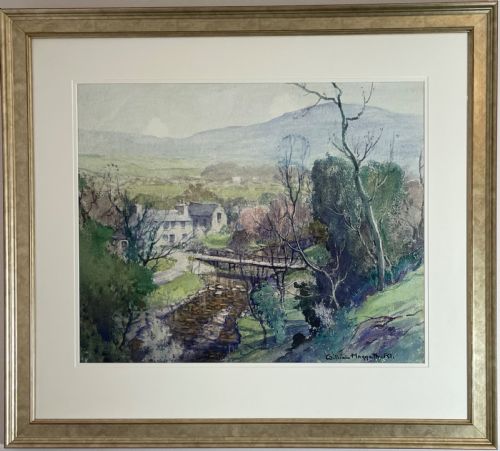
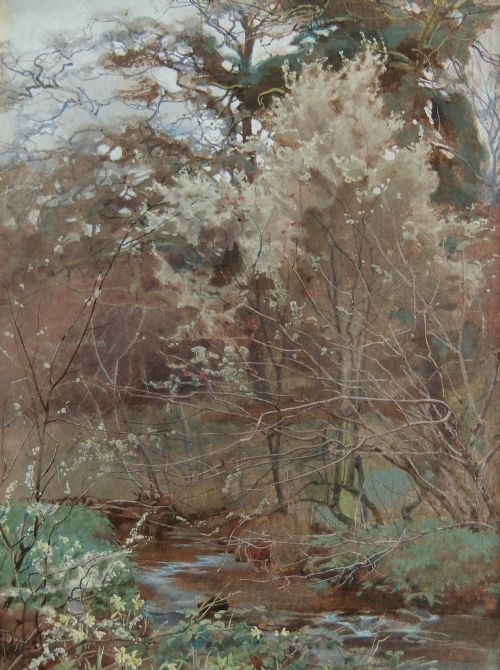
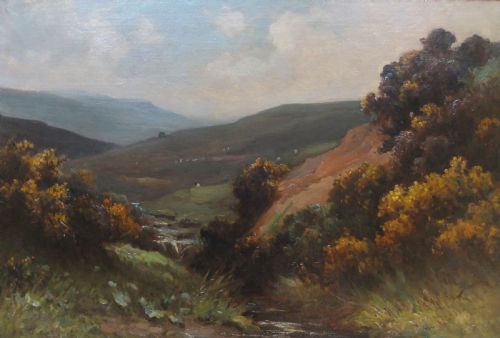
When you search for an antique countryside stream painting, you encounter works capturing pastoral views, rural rivers, and cattle resting by water. These pieces span from the mid-nineteenth century through the mid-twentieth century, recording changing British and Irish landscapes.
The selections here are predominantly oil paintings and watercolour paintings on canvas, wood panel, or paper. Artists of these periods observed rural life with careful realism and impressionist touch.
You will find named artists alongside traditional English school works. Each piece preserves a distinct corner of the countryside through the artist's specific regional viewpoint.
Materials and methods
Artists painted using oil paint and watercolour pigment applied to stretched canvas, wooden panels, or heavy paper sheets. These mediums allowed creators to capture the shifting light upon water and foliage.
Many works retain their period wooden and gesso frames, often protected behind glass in the case of watercolours. The combination of traditional pigments and genuine period framing defines their physical character.
The selection includes British impressionism, Victorian realism, and English pastoral scenes depicting cattle and streams.
Assessing quality
Quality rests in the artist's command of light, shadow, and natural movement along the stream bank. Finer works demonstrate a confident brushwork that brings water and atmosphere to life without stiffness.
The preservation of the original paint surface and the authenticity of the period frame contribute significantly to a work's standing. Stronger examples maintain the vibrancy of their pigments across canvas and paper.
William Hoggatt·Sidney James Beer·Harry Sylvester Stannard·Alfred W Parsons·William Sidney Cooper·Owen Bowen·Henry John Sylvester Stannard·Yeend King·Thomas Creswick
The Antique Countryside Stream Painting Glossary
- Oil paint
- A slow-drying paint made of pigment particles suspended in a drying oil, typically linseed. It allows for rich blending and textured application on canvas or wood.
- Watercolour pigment
- A water-soluble paint medium used on paper to create translucent washes of colour. It is prized for capturing delicate atmospheric light.
- Canvas
- A closely woven heavy fabric used as a surface for oil painting. It is typically stretched over a wooden frame before use.
- Gesso
- A paint mixture consisting of a binder mixed with chalk, gypsum, or pigment. It is applied to wood panels or frames to prepare a smooth surface for painting or gilding.
- Wood panel
- A flat wooden board utilised as a rigid support for oil paintings, particularly common in nineteenth-century works.
Antique Countryside Stream Painting: Frequently Asked Questions
What periods do these paintings cover?
The available works span from the mid-nineteenth century through the Victorian era and into the mid-twentieth century. This timeline covers nineteenth-century realism, British impressionism, and post-war traditional landscapes.
Each period brings distinct stylistic choices in how artists recorded rural streams and pastoral settings.
How do I care for a watercolour painting?
Watercolour works on paper require protection from direct sunlight to prevent the pigments from fading over time. Keeping them behind glass in stable indoor conditions preserves the paper and the integrity of the paint.
Regular checks on the backing and framing ensure the paper remains free from moisture damage.
Are these paintings signed by the artists?
Several pieces feature original signatures or attributions to recorded nineteenth and early twentieth-century painters. Unsigned works are typically attributed to regional schools of the period based on technique and subject matter.
Signatures offer a direct link to the individual hand that created the rural scene.
What surfaces were used for these artworks?
Artists utilised stretched canvas, sturdy wood panels, and heavy paper sheets as supports for their compositions. Oil paintings are primarily found on canvas or wood, while watercolours are executed on paper.
Each surface interacts differently with the chosen medium to create the final pastoral image.
How do I display an antique oil painting?
Oil paintings on canvas or wood panel benefit from placement away from direct heat sources and fluctuating humidity. Their original wood and gesso frames provide structural support and historical context.
Allowing adequate wall space lets the proportions of the landscape composition be properly appreciated.