

Paper Landscape Picture
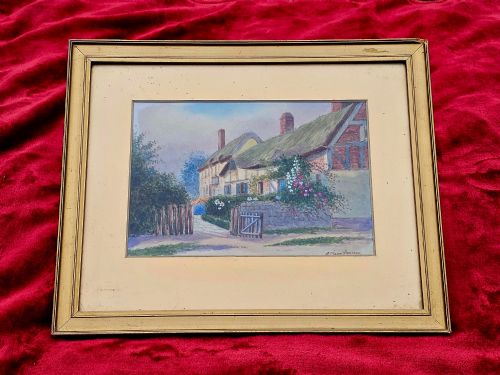
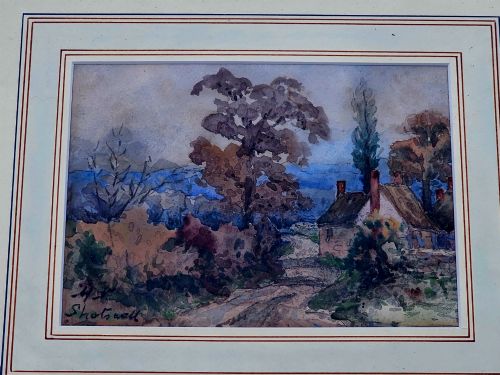
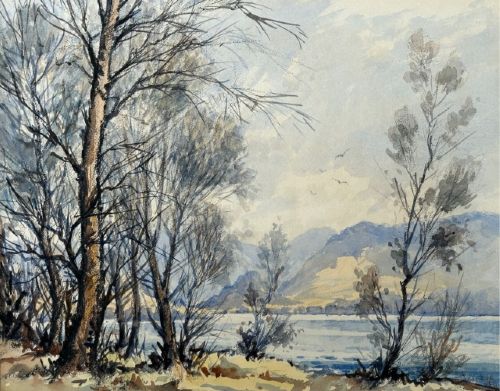
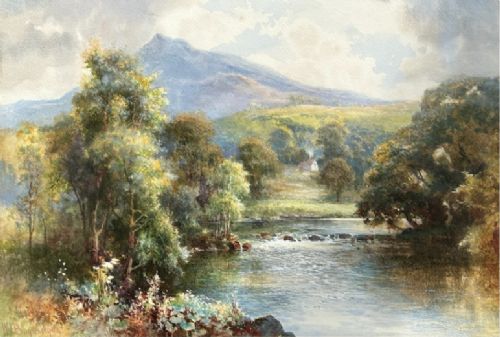
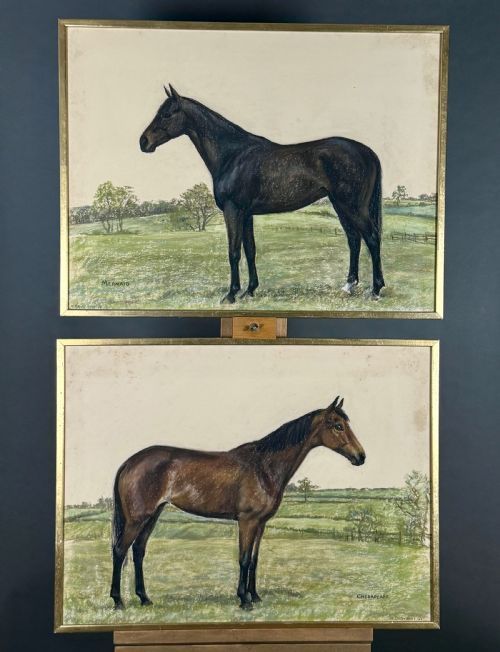
When you seek a paper landscape picture, you are looking for framed works on paper capturing scenery through watercolour, pastel, ink, and engraving.
Paper Landscape Picture
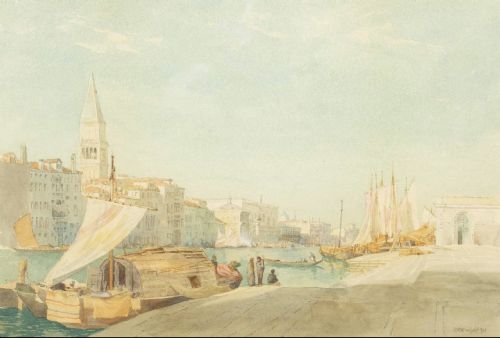
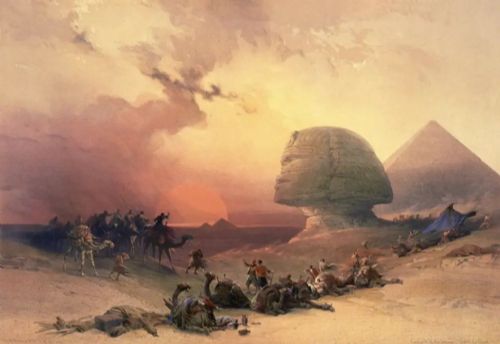
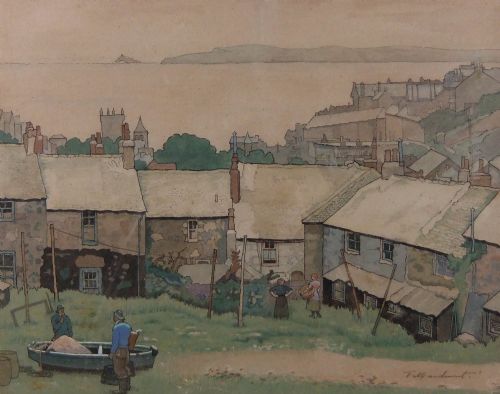
A paper landscape picture brings views of rivers, coastlines, and rural fields into interior spaces through works on paper. When searching for a paper landscape picture, collectors encounter framed watercolours, pastels, and engravings depicting British and European scenery.
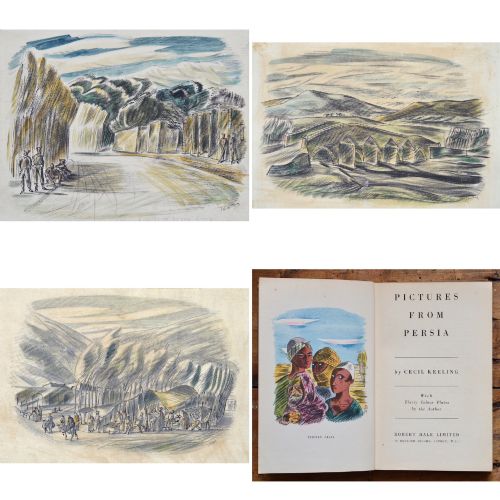
The selection on this page relies heavily on Victorian and Edwardian examples alongside pieces from the early decades of the twentieth century. These works range from intimate studies of Yorkshire villages to grand views of Venetian canals.
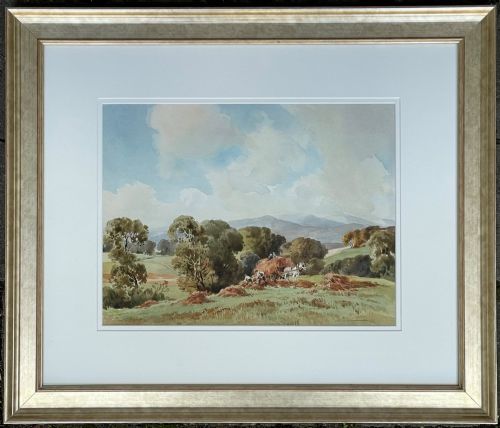
Most items arrive behind glass within their original or period wooden frames, preserving the delicate paper surfaces against moisture and handling.
How they were made
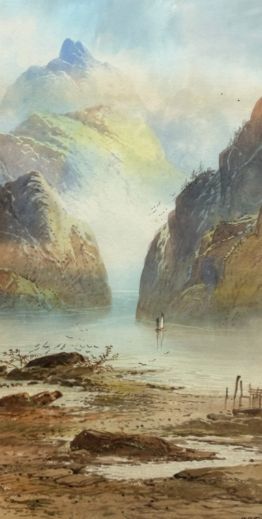
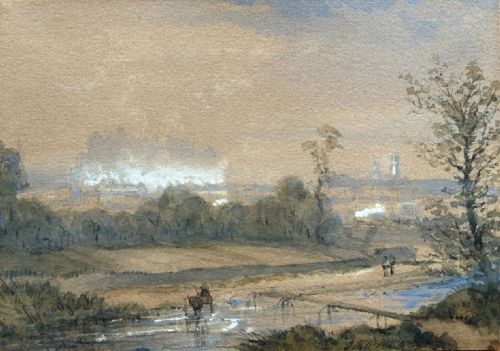
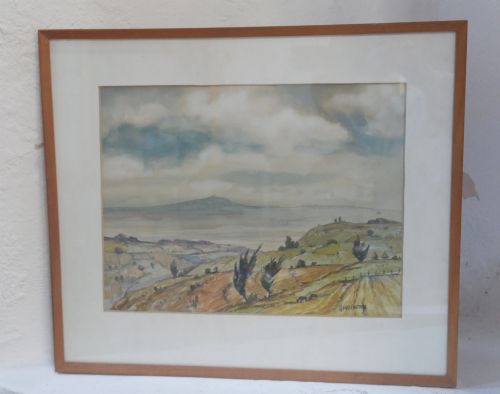
Artists relied primarily on watercolour pigment, ink, and pastel applied to heavy paper sheets. Watercolour washes built transparent layers of tone, while bodycolour added opaque highlights to water and sky.
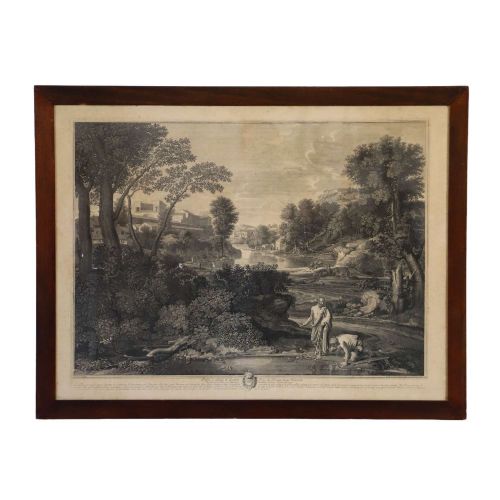
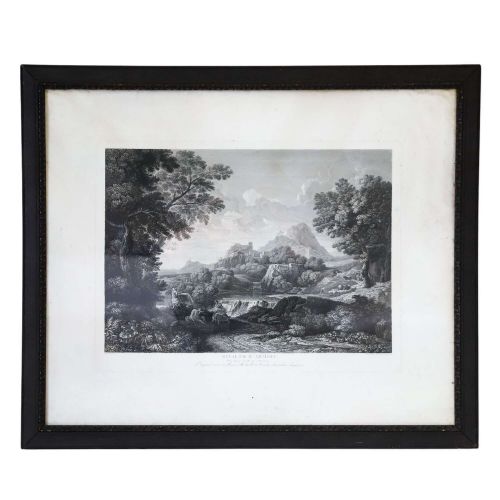
Engraving plates transferred inked lines onto paper to produce detailed topographical views. Pastels offered rich, chalky textures directly onto the paper support, often secured beneath glass without mounting.
Makers housed these fragile sheets behind glass in wooden frames, sometimes retaining the original gilt or moulded surrounds that protect the edges of the paper.
Listings span periods from the eighteenth century through the 1960s, employing watercolour, pastel, ink, and engraving on paper.
What varies in quality
Quality rests in the handling of light and the clarity of the paper surface. Strong watercolours retain luminous washes without fading or damp staining, while weaker examples suffer from dull pigments and heavy yellowing of the paper.
The skill of the hand defines the work, separating hurried topographical sketches from deeply observed impressions of coastal harbours and river valleys. Original framing in sound condition also elevates the piece.
William Henry Earp·John R Prentice·Alfred Young Nutt·Percy Lancaster·A Marie Parsons·Robert Leslie Howey·William Joseph Boyes·Richard Henry Wright·David Roberts·Thomas Maidment·Étienne Baudet·Percy Robertson·Charles Edward Wilson·William Frederick Settle·Alfred George Morgan·Thomas Cooper Moore·Cornelius Pearson·Edwin Lord Weeks·Samuel Timmins·Henry Charles Fox·Arthur Reginald Smith·William Manners·Cuthbert Crossley·Fred Lawson·Sir Thomas Newenham Dean
The Paper Landscape Picture Glossary
- Watercolour
- A paint consisting of pigment suspended in a water-soluble binder, used on paper to create translucent washes. It forms the core medium for the majority of these landscape works.
- Pastel
- A dry drawing medium composed of powdered pigment and a binder, producing velvety colours. Works executed in this medium require glass protection to prevent smudging.
- Engraving
- A printmaking technique where an image is incised into a metal plate, holding ink that transfers to paper under pressure. It yields sharp lines suitable for detailed architectural and landscape scenes.
- Bodycolour
- Watercolour mixed with a white pigment to make it opaque, adding solid highlights to skies and water. Artists utilised it to create bright points of light within transparent washes.
- Gilt
- A thin layer of gold leaf applied to wooden picture frames. It provides a decorative border that catches light around the paper artwork.
Paper Landscape Picture: Frequently Asked Questions
How should I hang a paper landscape picture?
Keep these framed works away from direct sunlight to prevent the watercolour pigments and pastels from fading over time. Stable room temperatures protect the paper from humidity changes.
Use sturdy picture hooks suited to the weight of the wood and glass frame to ensure secure placement on the wall.
Are these pictures in original frames?
Many examples retain their period wooden frames, which often show minor age-related marks that reflect their history. These housings complement the era of the paper artwork inside.
Check individual listings to confirm whether the frame is period to the piece or a later replacement.
What subjects appear in these landscapes?
Artists recorded rural scenes, river estuaries, coastal harbours, and mountain views across Britain and continental Europe. Harbour towns and agricultural fields dominated the output of the Victorian and Edwardian periods.
Urban waterways and architectural landmarks also feature prominently in the painted and engraved works.
How do I identify a watercolour from a print?
Examining the surface under magnification reveals the brushstrokes and pooling of pigment unique to hand-painted watercolours. Prints display regular dot patterns or ink resting flat within engraved lines.
Watercolour paper often shows subtle depressions where the wet brush pressed into the fibres.