

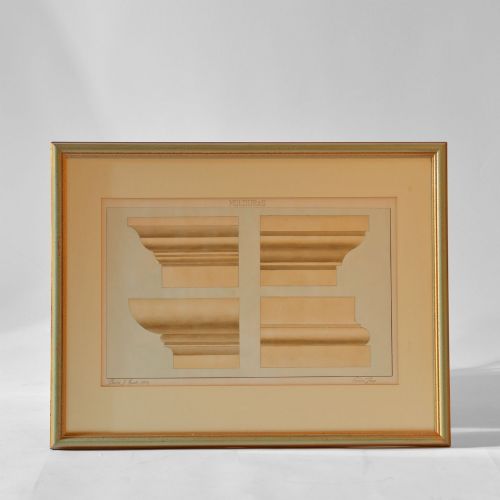
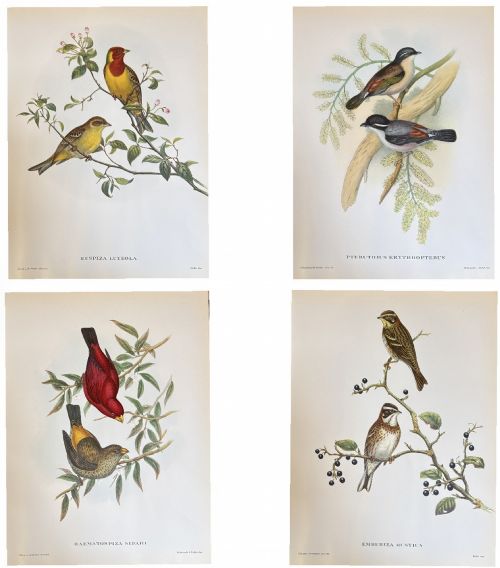
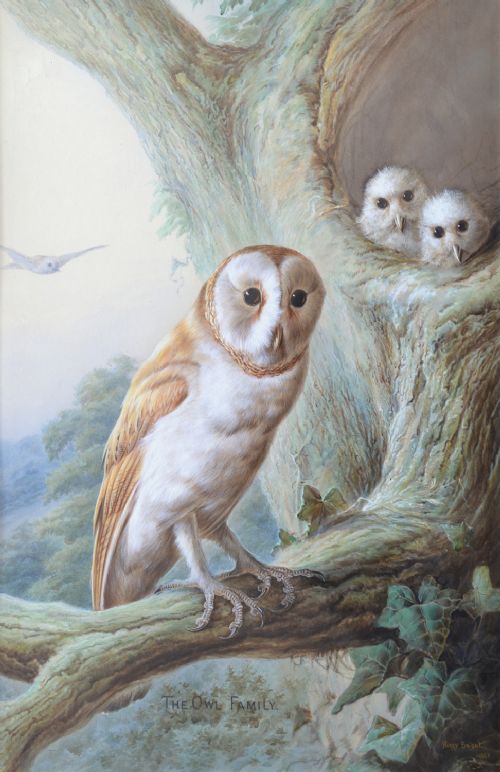
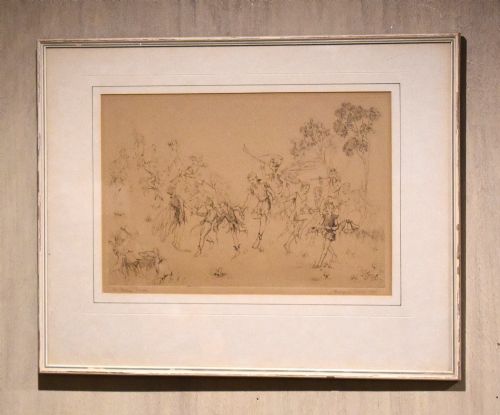
Paper Illustration
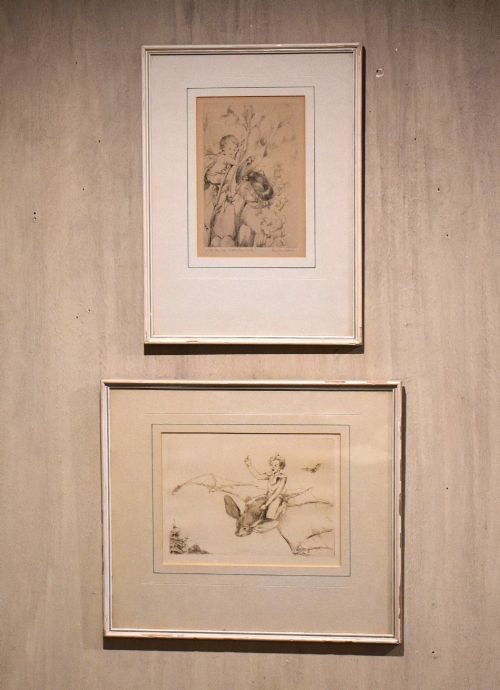
These paper illustration works span centuries of draughtsmanship, offering buyers original drawings, engravings and prints rooted in history.
Paper Illustration
A paper illustration search uncovers works on paper encompassing original drawings, watercolours, engravings and lithographs from the eighteenth century through to the mid-twentieth century.
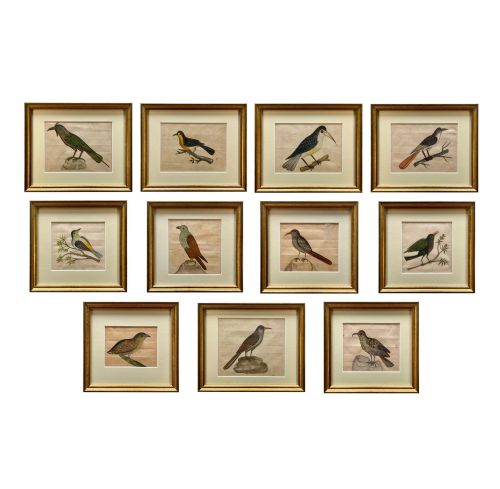
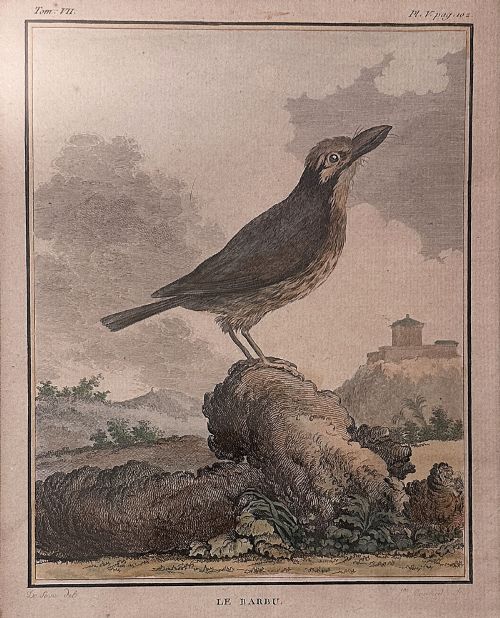
You are most likely to encounter nineteenth-century engravings and early twentieth-century watercolour drawings alongside framed prints of natural history and portraits.
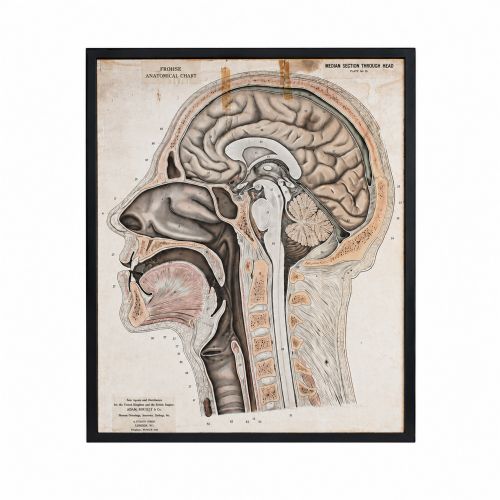
The selection ranges from Georgian anatomical plates and Victorian topographical watercolours to Art Deco gouache sketches and wartime ink drawings.
Materials and techniques
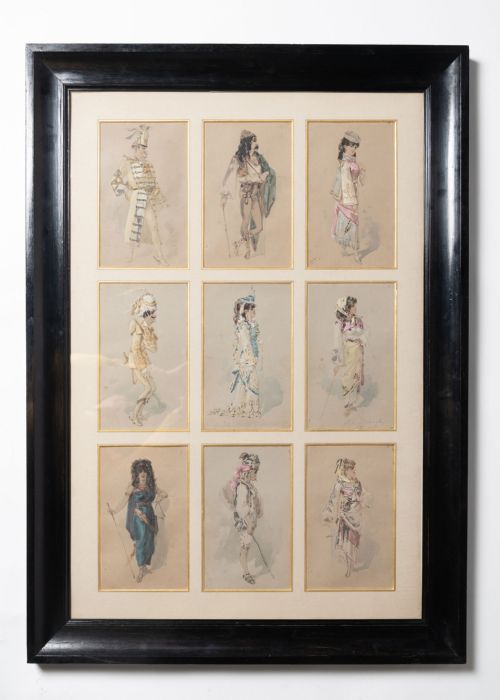
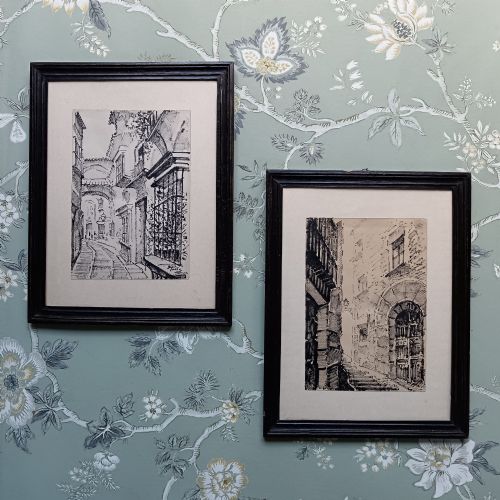
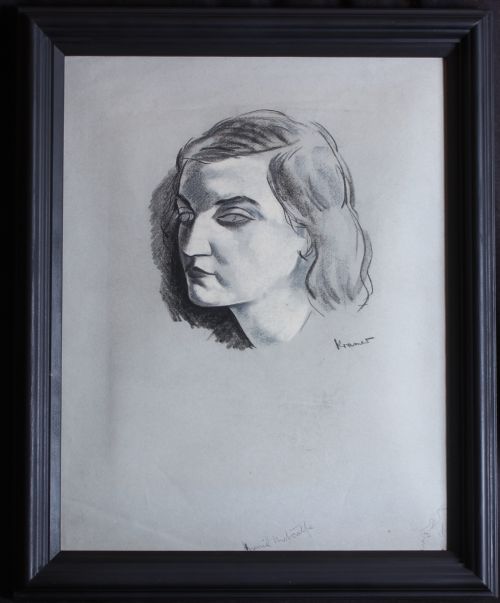
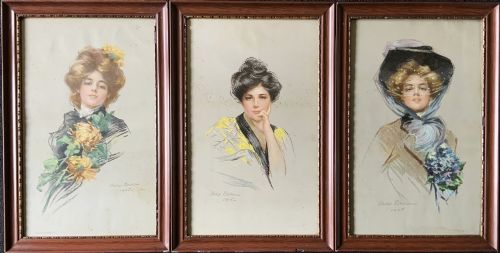
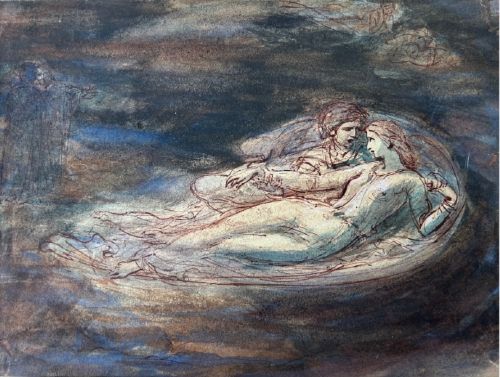
These works rely upon paper, cardboard and buff paper as supports, marked primarily with ink, watercolour, gouache, pencil and lithographic ink.
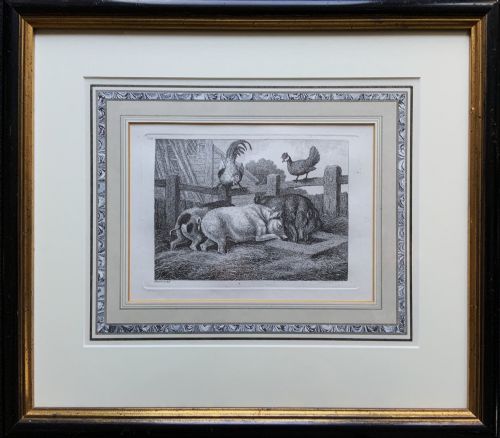
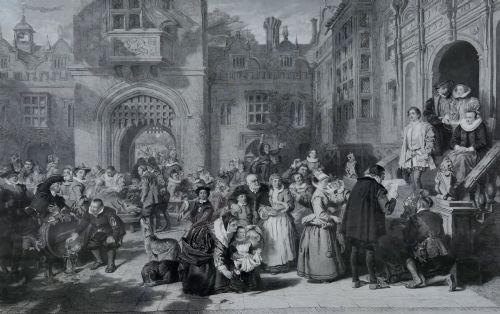
Engravings and etchings utilise metal plates to transfer inked lines to paper, while original drawings apply pigment directly through brush and pen.
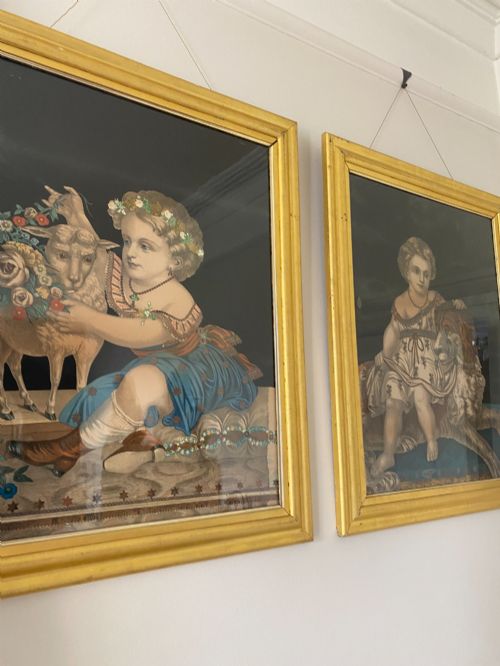
Many historical pieces retain their original wooden frames and protective glass housings, preserving the delicate surfaces from atmospheric degradation.
Paper Illustration Retail Price Guide 2026
Typical asking prices for paper illustration among the pieces listed under this phrase on Sellingantiques today, from the lower quarter to the upper quarter. They describe what is for sale here now, not the wider market.
Listings feature works spanning the eighteenth, nineteenth and twentieth centuries, executed in pencil, ink, gouache and watercolour on paper.
Distinctions in quality
Quality rests upon the sureness of the draughtsman's line, the vibrancy and stability of surviving pigments, and the preservation of the paper support.
Works attributed to documented artists or established schools command attention through compositional strength and historical context.
The harmony between an antique frame and its artwork elevates the piece, distinguishing masterly execution from routine commercial production.
Marjorie L Davies·Jacob Kramer·Samuel Howitt·Harry Bright·Philip Boileau·Fred Lawson·Cecil Keeling·George Lorain Stampa·Henry Percy Huggill·Bruce Bairnsfather·Sir William Nicholson·Elisabeth Sonrel·Andrew Bell·Marcellin Auzolle·William Marshall Craig·Maurice Brianchon·David Roberts·Frank Dobson
The Paper Illustration Glossary
- Engraving
- A printmaking technique where an artist cuts lines into a metal plate to hold ink. This method produces crisp, highly detailed lines that endure across multiple impressions.
- Gouache
- An opaque watercolour medium containing a binding agent like gum, yielding flat, saturated colour fields. It sits heavier on the paper surface than standard transparent watercolour.
- Lithograph
- A planographic printing process based on the repulsion of oil and water on a limestone or metal slab. It allows for tonal gradations that closely mimic crayon and ink drawings.
- Wash
- A diluted application of ink or watercolour used by artists to establish tonal depth and shadow. It provides atmospheric breadth behind precise pen or pencil outlines.
Paper Illustration: Frequently Asked Questions
What defines an original paper illustration?
An original paper illustration is a unique piece created directly by the artist's hand using media such as ink, pencil, watercolour or gouache.
Unlike mechanical reproductions, these works exhibit the distinct physical touch, brushstrokes and texture of the creative process.
How should paper illustrations be framed?
Paper illustrations require acid-free mounts and framing materials to prevent the paper from yellowing or degrading over time.
Keeping the artwork away from direct sunlight preserves the fugitive watercolours and inks commonly found in nineteenth-century works.
How can I date an antique print?
Dating relies upon paper characteristics, printing techniques, typographic styles, and any accompanying inscriptions or publication dates.
Early examples often feature laid paper with visible chain lines, whereas twentieth-century pieces utilise machine-made wove paper.
Where were these illustrations displayed?
Historical illustrations served varied roles, appearing in bound volumes, scientific portfolios, theatrical posters and domestic parlours.
Framed works were traditionally hung in studies and drawing rooms to reflect the refined tastes of the period.