


Paper Figurative Drawing
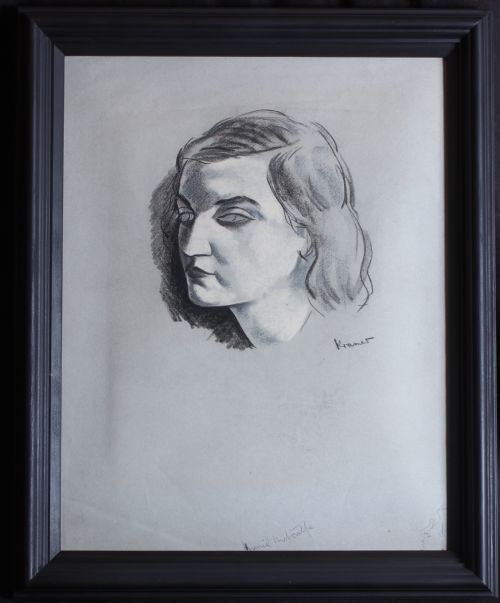
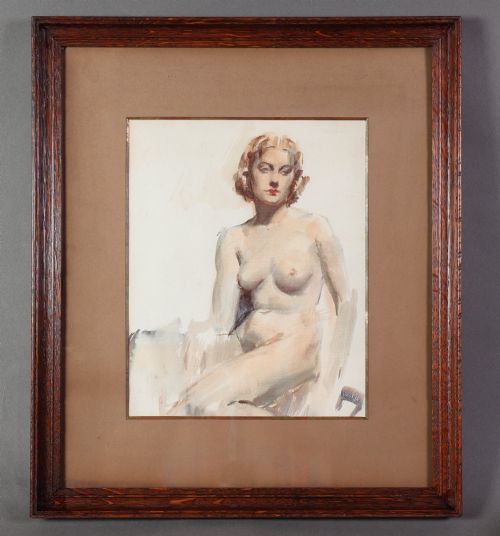
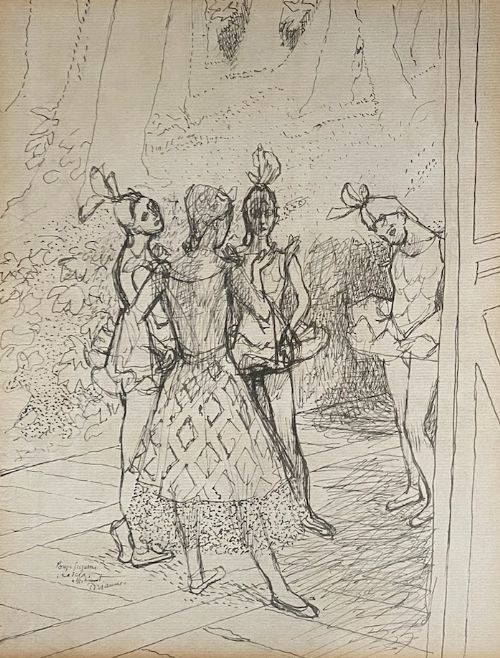
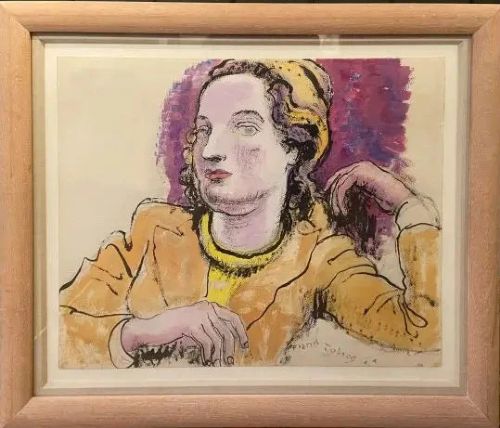
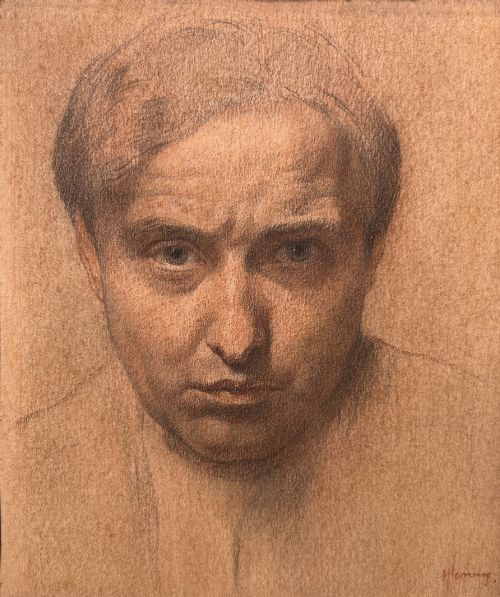
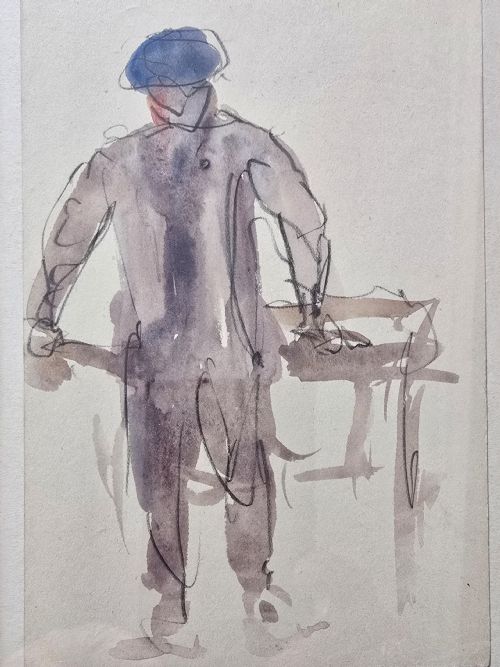
These paper figurative drawing works capture the human form through direct draughtsmanship, offering an intimate connection to the artist's hand.
Paper Figurative Drawing
Paper figurative drawing encompasses original works on paper that centre on the human body, portraits and character studies. Buyers seeking these works will encounter pieces ranging from mid-nineteenth century academic pencil portraits to mid-twentieth century modernist and cubist interpretations.
The selection on this page relies heavily on early twentieth century examples, notably works from the nineteen twenties and thirties through to the nineteen fifties. Portraits of dancers, studio nudes and individual character studies dominate the formats available to collectors.
Materials and Technique
Artists executed these works primarily on paper using charcoal, ink, graphite, pastel and watercolour. Combinations such as deux crayon, chalk and coloured pencil appear frequently across the twentieth century examples.
Techniques range from rapid ink line sketches and preparatory studies to finished watercolours and pastel portraits. The physical interaction between the dry medium or pigment and the paper surface defines the tactile quality of each piece.
The listings encompass works executed in charcoal, ink, watercolour, graphite and pastel across the nineteenth and twentieth centuries.
Assessing Quality
Quality rests on the sureness of the line and the artist's ability to convey weight, gesture and expression with economy. A confident study by an established hand demonstrates mastery of proportion and tonal balance.
Condition of the paper and preservation of the fugitive mediums, particularly pastels and watercolours, influence the overall standing of an individual work. Strong provenance and clear attribution elevate specific pieces within the wider range.
Maurice Brianchon·Frank Dobson·Herbert Johnson Harvey·Michael Healy·John Merrifield·Demetrios Galanis·Augustus Edwin John·Robert Richard Scanlan·Denis William Reed·Lucien Freud·Pablo Picasso·Irene Lagut·John Duncan Fergusson·Kees van Dongen·Dame Laura Knight·Yves Brayer·Theobald Chartran·Sonia Lawson·Cecil CP Lawson
The Paper Figurative Drawing Glossary
- Charcoal
- A dry drawing medium made from burnt organic material that produces deep blacks and subtle tonal gradations. It is widely used for expressive life studies and preliminary sketches.
- Deux crayon
- A drawing technique utilising two colours of chalk or crayon, typically black and red, on toned paper to create highlights and shadow.
- Academic Realism
- A style of painting and drawing produced under the influence of European academies of art, prioritising accurate anatomy and traditional finish.
- Post-Impressionism
- An art movement developing roughly from the eighteen eighties that extended impressionism while rejecting its limitations, often emphasising geometric forms and expressive use of colour.
Paper Figurative Drawing: Frequently Asked Questions
What defines a paper figurative drawing?
A paper figurative drawing is an original artwork on paper that focuses on the human figure, whether through portraiture, nude studies or genre scenes. These pieces capture the direct immediacy of the artist's initial observation.
They serve as records of gesture, anatomy and character, often created as preparatory studies or finished works in their own right.
How should I frame and display these drawings?
Works on paper require conservation framing to protect them from environmental damage. Using acid-free mounts and UV-filtering glass prevents the paper from yellowing and safeguards sensitive mediums like pastel and watercolour.
Display them away from direct sunlight and high humidity to preserve the integrity of the charcoal, ink or pigment over time.
How can I tell different twentieth century periods apart?
Twentieth century styles evolved from nineteenth century academic realism through to avant-garde movements like cubism and mid-century modernism. Earlier works often display strict attention to anatomical proportion and traditional rendering.
Later pieces from the nineteen twenties onwards frequently embrace abstraction, simplified lines and experimental combinations of media such as pastel over lithography.
What is the difference between a study and a finished portrait?
A study is typically a preparatory or exploratory work focusing on a specific aspect of a figure, such as hands, posture or facial expression. These pieces often show visible corrections and rapid hatching.
A finished portrait is intended as a complete, resolved artwork with greater attention to overall composition and detail.