
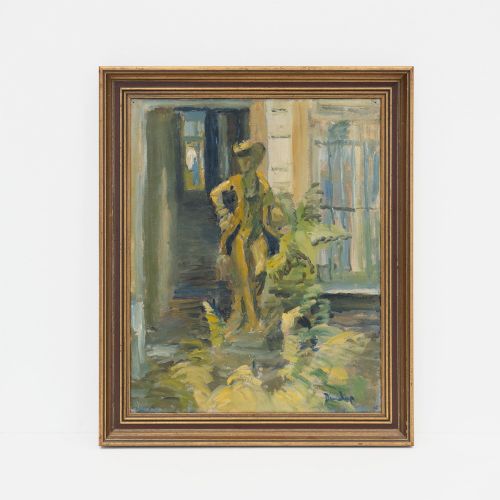


Framed Modern Fine Art
Framed modern fine art brings together original mid-century paintings, watercolours and drawings housed in traditional wood and gilt surrounds.
Framed Modern Fine Art
Framed modern fine art encompasses original paintings, drawings and sketches created during the early to mid-twentieth century by British and European artists. Buyers searching this phrase meet landscapes, portraits, still lifes and coastal scenes originating from periods such as the nineteen-twenties, thirties, forties and fifties.
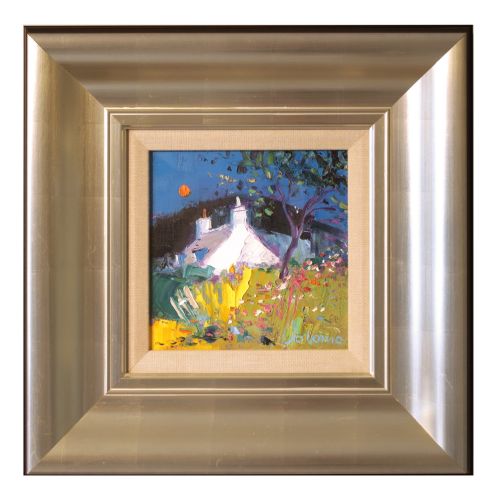
The works reflect movements including Modern British, Mid-Century Modern and Scottish Expressionism. Pieces frequently appear in wooden frames, sometimes accented with gilt, matching the visual language of the era.
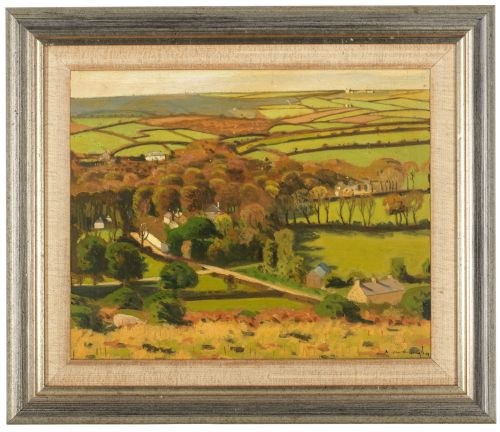
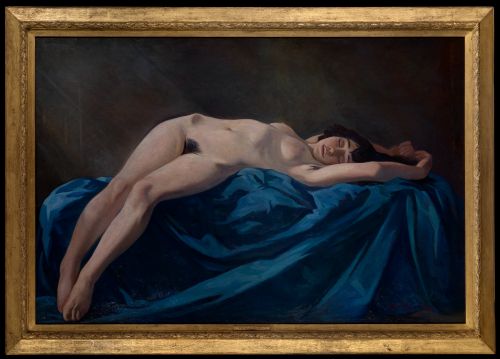
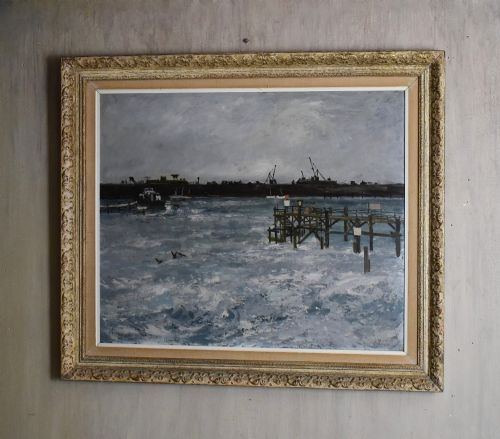
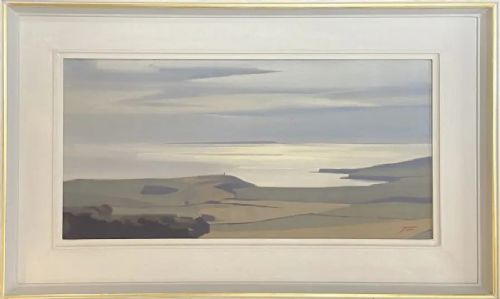
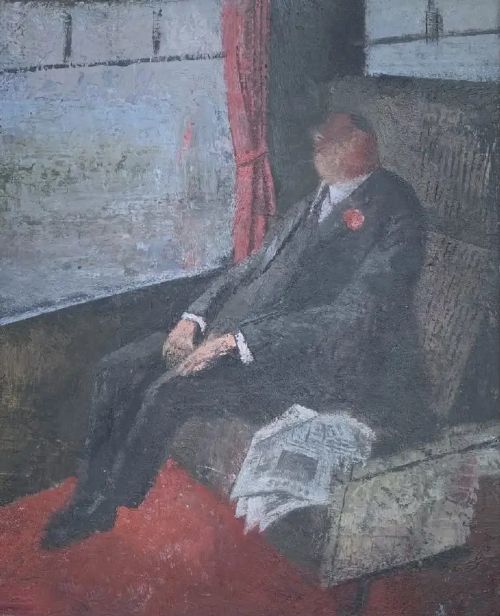
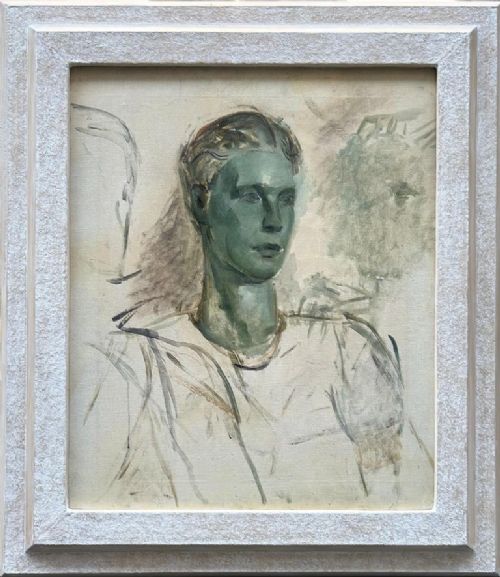
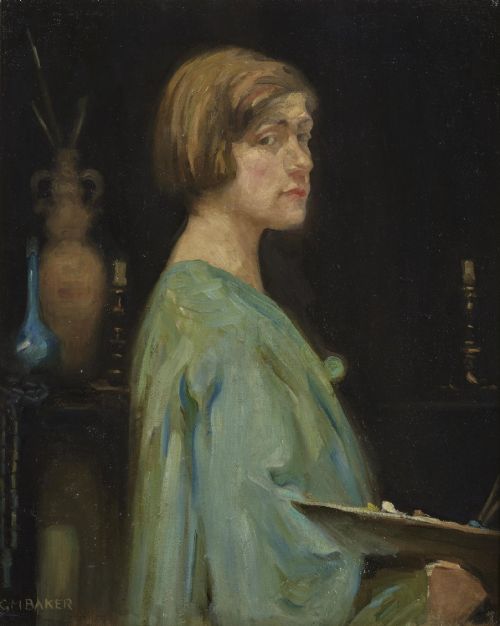
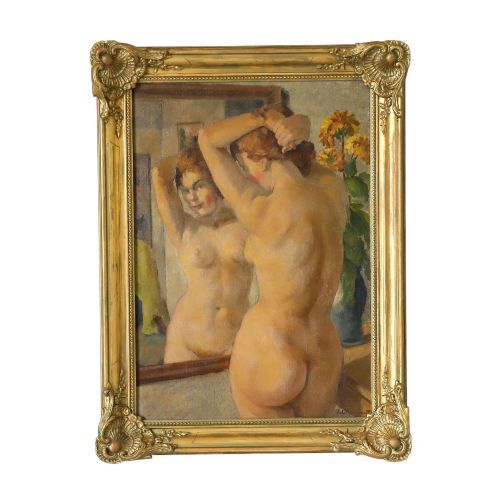
Portraits of young people, nudes, Cornish coastal views and topographical scenes dominate the selection. Works range from intimate ink and watercolour drawings to large oil paintings on canvas or board.
Materials and Techniques
Artists painted primarily with oil paint or watercolour applied to canvas, paper or board. Some works utilise pastel over lithograph or ink combined with wash.
Substrates include traditional woven canvas stretched over wooden frames, sturdy boards and heavy paper sheets. Canvases are occasionally laid onto boards for additional structural support.
Surrounds are constructed from timber, frequently finished with gilt leaf or painted mouldings. These frames protect the edges of the canvas or paper while complementing the composition.
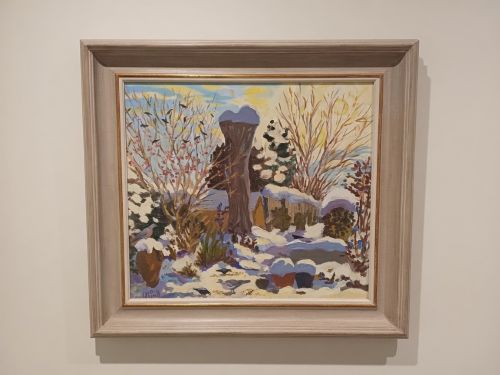
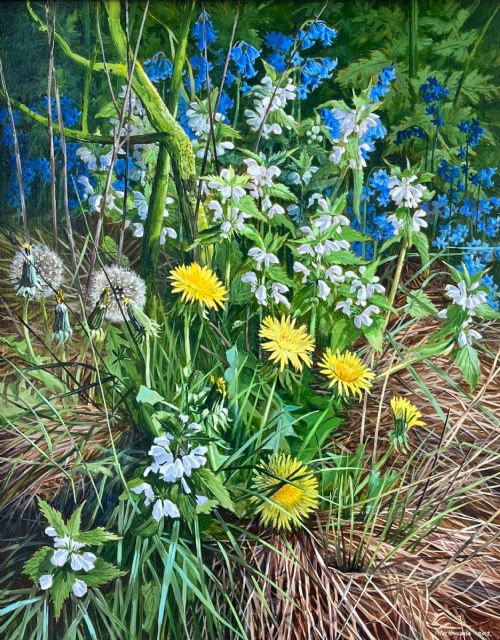
Canvases capture sleeping companions, snowy winter feeds, garden moments and reclining figures accompanied by watchful cats.
Assessing Quality
Quality rests upon the confidence of the brushwork, the handling of light and pigment, and the coherence of the composition. Stronger works demonstrate a clear individual style, whether within a landscape or a portrait.
The relationship between the artwork and its frame influences visual success. Original frames that complement the period and palette of the painting elevate the piece, whereas unsympathetic modern replacements diminish the presentation.
The reputation and exhibition record of the artist within groups such as the St Ives School or the Bloomsbury Group mark out significant pieces. Works from defined periods of an artist's career carry greater artistic weight.
Robert Morson Hughes·Eric Robertson·Peter Brannan·James Fry·James Stroudley·Gladys Marguerite Baker·Peter Newcombe·John Lowrie Morrison·Philippe de Rougemont·Ronald Ossory Dunlop·Joan Gillchrest·Denis Mitchell·Barbara Hepworth·Philippa Maynard Romer·Philip Naviasky·Sir William Russell Flint·Emil John Hess·Jean Hippolyte Marchand·Jeffrey Pratt·Fred Lawson·Claude Muncaster·Raymond Arthur Roadnight·James Kerr McArthur·Nora Munro Summers·Hermoine Hammond
The Framed Modern Fine Art Glossary
- Gilt
- A thin layer of gold or gold-coloured metal applied to the surface of a wooden frame. This finish reflects light and frames the artwork with a decorative metallic border.
- Oil on canvas
- Pigment suspended in drying oil applied to a stretched woven fabric support. This technique allows for rich colour blending and textured brushwork.
- Board
- A rigid flat panel used as a painting support instead of stretched fabric. Artists frequently utilised wood or composition board for smaller plein air works.
- Triptych
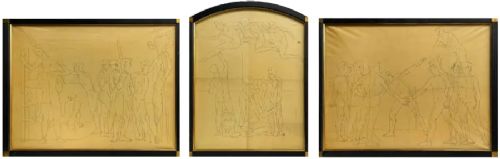
- A single artwork divided into three distinct panels hinged or displayed together. This format was utilised for narrative or decorative compositions.
- Impressionism
- An artistic approach focused on capturing the visual impression of a moment, paying attention to shifting light and unblended brush strokes. Works in this style record atmospheric effects rather than minute details.
Framed Modern Fine Art: Frequently Asked Questions
What periods do these artworks date from?
The selection spans the early twentieth century through to the nineteen-sixties and beyond. Pieces originate from distinct decades including the nineteen-twenties, thirties, forties and fifties.
Individual works carry specific dates or stylistic markers identifying their creation period. Many pieces reflect the artistic movements active during the interwar and mid-century years.
How should I hang these paintings?
Select a wall with stable light levels away from direct sunlight to protect pigments and paper supports. Ensure the hanging height places the centre of the artwork at eye level.
Use appropriate wall fixings rated for the weight of the wooden frame and canvas. Maintain consistent spacing if grouping multiple pieces together.
Are the frames original to the works?
Many pieces retain their period frames, which often show minor signs of age consistent with their history. These surrounds are chosen to complement the aesthetic of the painting.
Certain works are presented in later or renewed frames that suit the dimensions and palette of the art. Listing details indicate the nature of the framing where known.
What is an oil on board painting?
An oil on board painting uses rigid wooden or composite panels as the foundation for oil pigment rather than flexible canvas. This support provides a firm surface favoured for outdoor sketching and smaller compositions.
Artists valued board for its stability and ease of transport. These works require similar environmental conditions to canvas pieces.
How do I care for mid-century watercolours?
Keep watercolours behind glass to shield the paper and water-soluble pigments from dust and moisture. Avoid placing them in areas subject to high humidity or fluctuating temperatures.
Framing with acid-free mounts prevents discolouration of the paper over time. Limit exposure to bright daylight to prevent fading.