
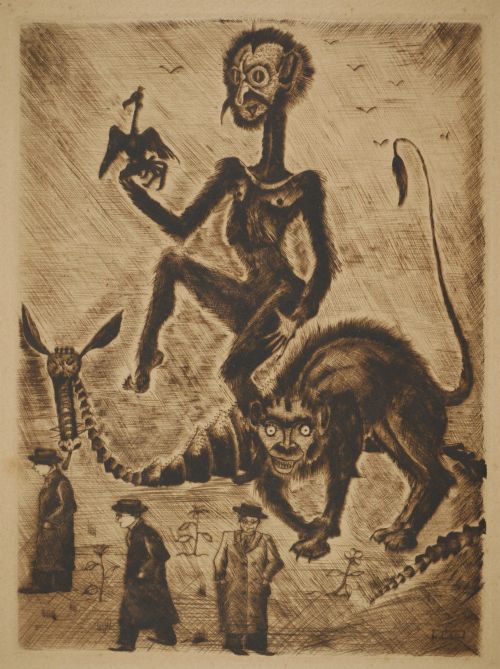
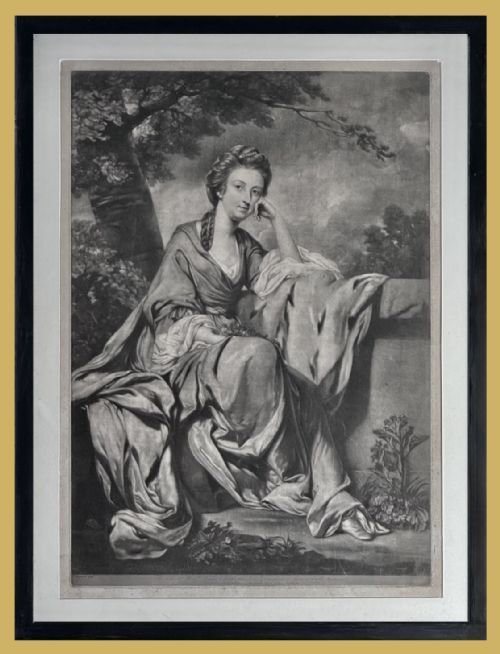
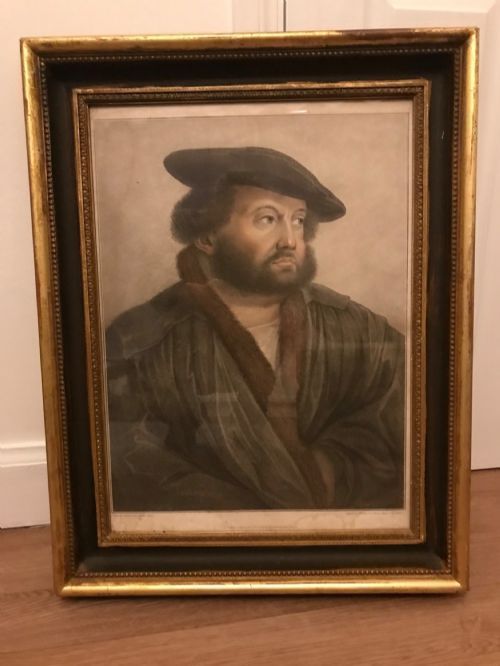
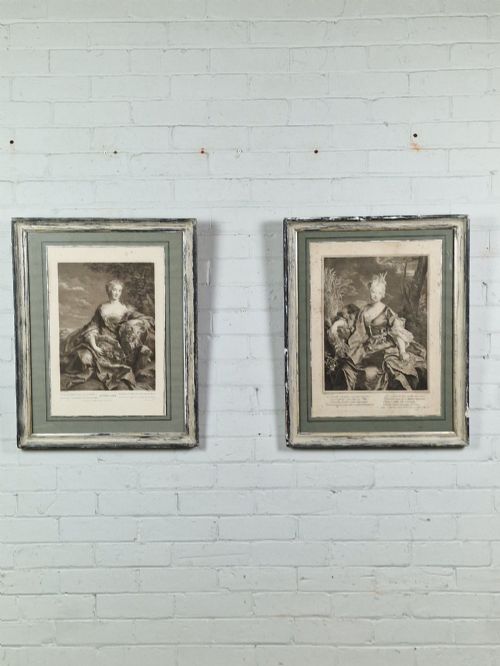
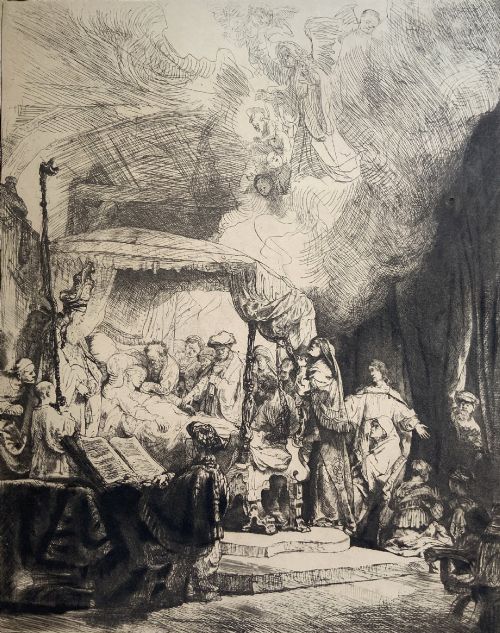
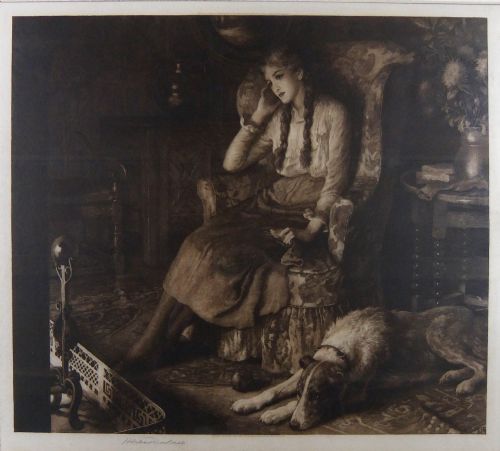
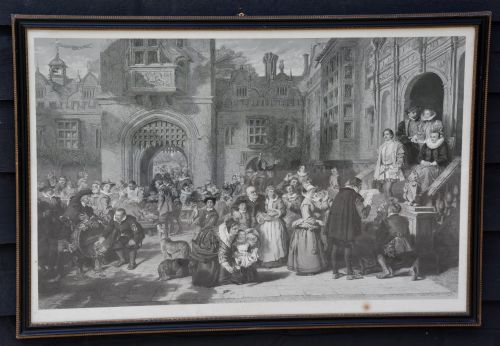
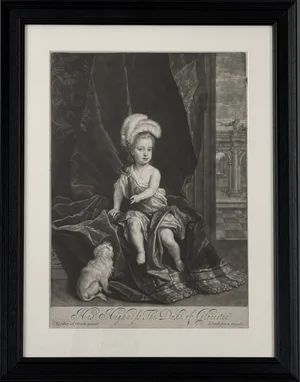
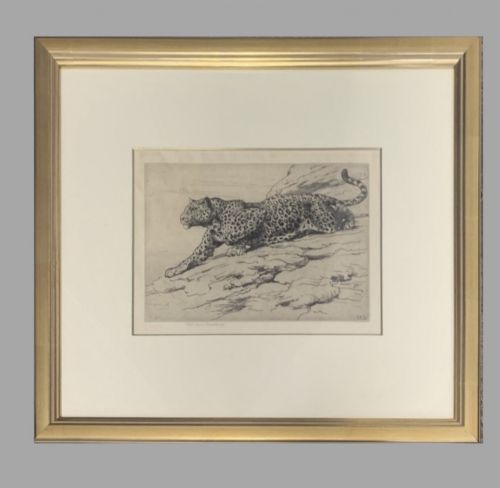
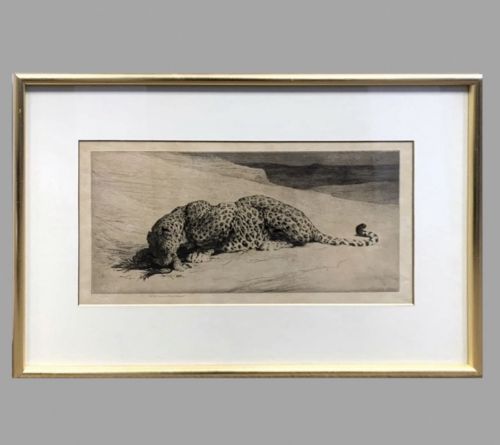
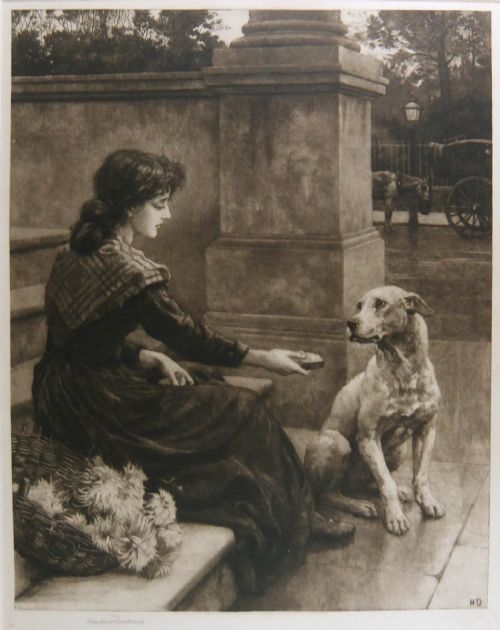
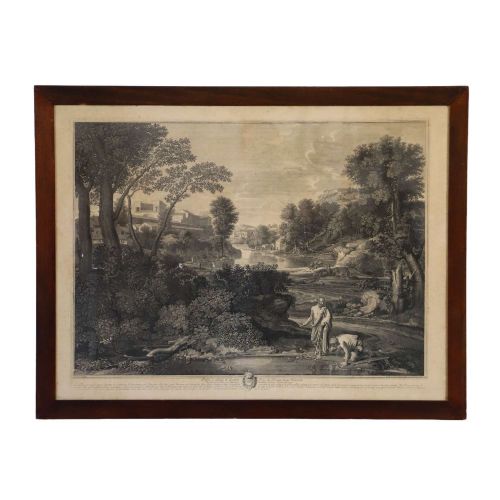
Paper Etching Framed Art
Paper etching framed art encompasses centuries of intaglio prints on paper, housed behind glass in period wood and gilt frames.
Paper Etching Framed Art
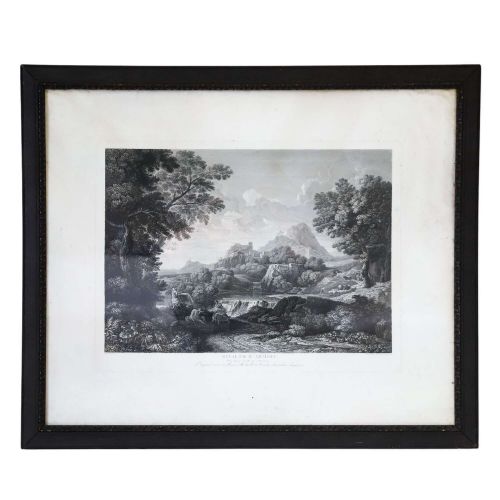
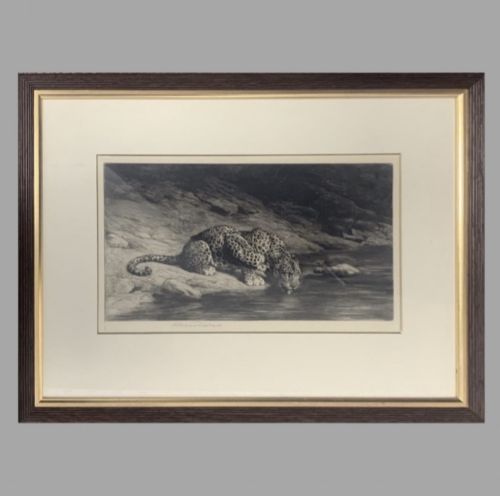
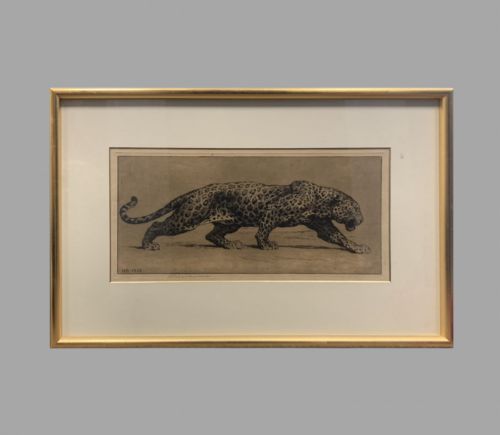
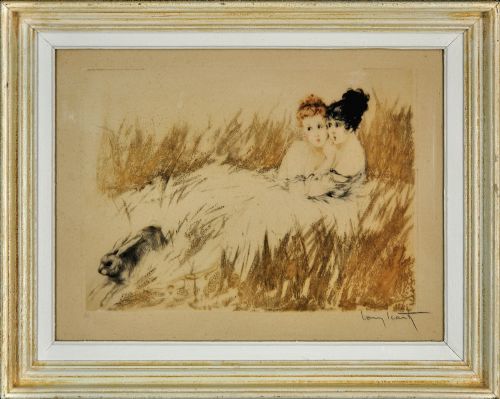
Paper etching framed art brings together centuries of printed works on paper, spanning from the seventeenth century through the early twentieth century. These works take the form of wall art, featuring portraits, landscapes, animal studies, and historical scenes preserved within their original or period enclosures.
The selection on this page relies heavily on works from the eighteenth and nineteenth centuries, alongside pieces from the Edwardian era and the 1920s. Buyers encounter everything from large courtyard scenes to delicate ornithological plates and signed artist proofs.
Framed prints and engravings dominate the offerings, often presented in wood frames such as Hogarth mouldings or gilt wood settings. These pieces carry the marks of distinct periods, including the Georgian, Regency, and Victorian eras.
How they were made
The creation of these works begins with paper as the primary support, upon which artists and printmakers applied ink through various intaglio and relief methods. Etchings, drypoints, mezzotints, and stipple engravings form the core technical vocabulary of the inventory.
Many examples incorporate hand-colouring or watercolour applied directly to the printed ink lines. Framers then enclosed the paper sheets behind glass, securing them within wooden frames that occasionally feature gold leaf or gilt wood finishes.
Listings span periods from the seventeenth century through the 1930s, featuring paper supports, glass glazing, wood frames, ink, and watercolour.
What varies in quality
Quality in these works rests upon the crispness of the plate impression and the skill of the printmaker who transferred the image to paper. Earlier strikes and signed artist proofs demonstrate sharper line work and deeper tonal contrasts than later reprints.
The integration of the frame plays a role in the overall character of the piece, with original Hogarth frames and period gilt wood surrounds holding distinct visual weight. Hand-colouring also introduces variation, distinguishing deftly tinted plates from simpler monochrome impressions.
Kurt Lorein Victor Peiser·Edward Fisher·Sir Joshua Reynolds·Francesco Bartolozzi·Herbert Dicksee·Amand-Durand·John Smith·Sir Godfrey Kneller·Étienne Baudet·Louis Icart·Henry William Banbury·Anne Goldthwaite·Antonio Capellan·Michelangelo·Joseph Constantime Stadler·Augustus Edwin John·Claes Jansz Visscher·James Dobie·W. Dendy Sadler
The Paper Etching Framed Art Glossary
- Etching
- A printmaking process where lines are incised into a metal plate with acid before being inked and pressed onto paper. This technique allows for fine, flowing lines similar to a pen sketch.
- Engraving
- A method of cutting a design directly into a metal plate using a sharp tool called a burin. The resulting prints exhibit clean, precise lines and sharp details.
- Mezzotint
- A tonal printmaking method that works from dark to light by roughening a metal plate to hold ink. It produces rich, velvety dark areas and smooth gradations of tone.
- Drypoint
- An intaglio technique where an artist scratches directly into a metal plate with a pointed needle. This raises a rough ridge of metal called burr, which catches the ink to create soft, velvety lines.
- Aquatint
- A variant of etching that uses powdered resin to create areas of tone rather than lines. It is frequently found in works that mimic the appearance of watercolour drawings.
- Hogarth frame
- A style of wooden picture frame featuring a distinctive stepped or ogee profile, often finished with dark lacquer or gilding. These frames date back to the eighteenth century and frequently house period prints.
Paper Etching Framed Art: Frequently Asked Questions
How do I care for framed paper art?
Keep framed paper art away from direct sunlight to prevent the ink and any hand-applied watercolour from fading over time. Maintaining a stable indoor humidity level protects the paper support from warping or developing foxing spots.
Hang the pieces on interior walls using secure fixings suited to the weight of the wood and glass frames. Dust the glass and wooden mouldings gently with a dry, soft cloth without spraying cleaning solutions directly onto the frame.
What is an artist proof?
An artist proof is an impression pulled from the printing plate outside of the numbered commercial edition, typically retained by the creator for personal use or review. These impressions often share the same level of detail as the main run.
Many bear pencil signatures or annotations by the maker, which adds documentary value for collectors. They represent a direct link between the printmaker and the final image on the paper.
How do I date an antique engraving?
Dating relies on examining the characteristics of the paper, the style of the plate mark, and any accompanying inscriptions or publication lines. Typography and costuming within the image also offer clues to the period of creation.
Original frames can provide corroborating evidence, though frames are frequently updated later in a piece's history. Comparing the print style to known works from periods like the Georgian or Victorian eras helps narrow the timeline.
Are these prints hand-coloured?
Some intaglio prints feature colour applied by hand using watercolours or tints after the black ink impression was transferred to the paper. This technique was common in ornithological plates and satirical prints.
Close inspection under magnification reveals the delicate brushstrokes and variations within the tinted areas. Monochrome impressions rely entirely on the etched lines and tonal ink manipulation for their visual impact.