





Paper Cutting Artwork
Paper cutting artwork brings together delicate silhouettes and intricate collage, offering a glimpse into historic portraiture and domestic scenes.
Paper Cutting Artwork
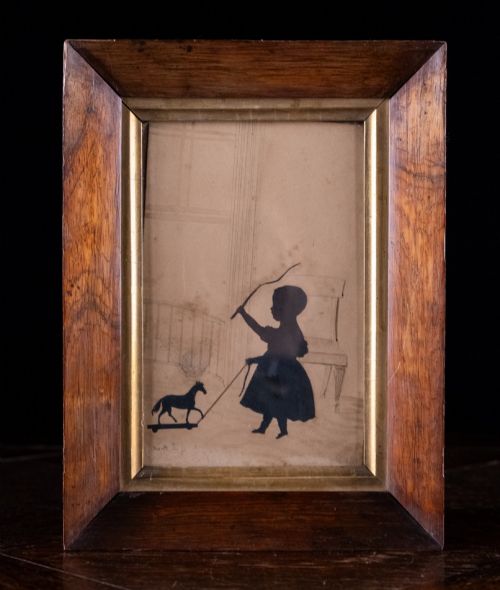
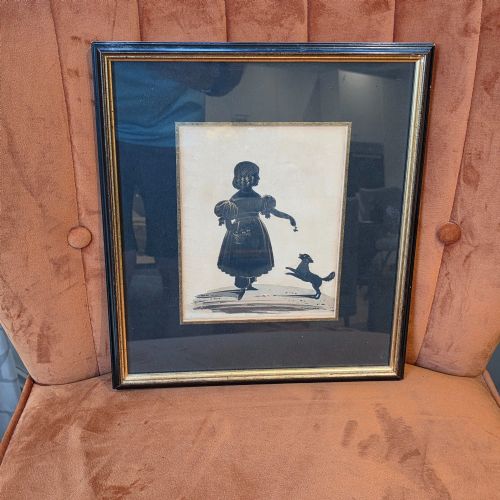
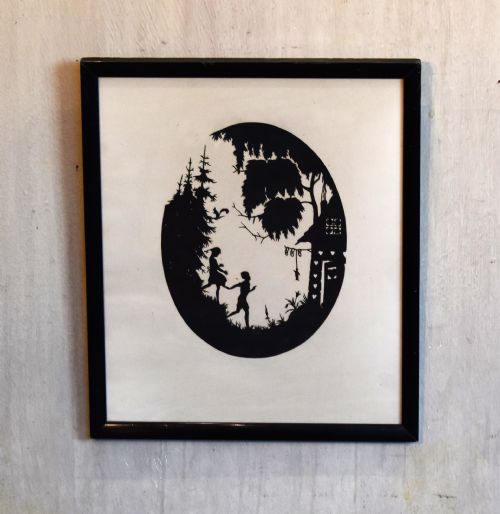
Paper cutting artwork encompasses delicate silhouettes, framed pictures, and intricate collage pieces created across the eighteenth, nineteenth, and twentieth centuries. When searching for paper cutting artwork, buyers encounter various forms including portrait silhouettes of children and gentlemen, conversation pieces, and detailed botanical or narrative scenes.
The pieces emerge from distinct historical periods such as the Georgian, Regency, and Victorian eras, alongside later Modern British examples. Makers utilise simple media to capture likenesses and domestic vignettes, often presenting them within period timber frames behind glass.
Materials and construction
Makers cut dark paper with fine scissors or blades, occasionally adding ink or watercolour highlights by hand. Gold leaf, brass, and gilt accents frequently enhance the framing or background detail.
Finished pieces sit beneath glass within wooden frames, sometimes utilising maple, to protect the fragile paper layers from dust and moisture over the centuries.
Paper Cutting Artwork Retail Price Guide 2026
Typical asking prices for paper cutting artwork among the pieces listed under this phrase on Sellingantiques today, from the lower quarter to the upper quarter. They describe what is for sale here now, not the wider market.
Listings feature paper cutting artwork spanning the eighteenth, nineteenth, and twentieth centuries, incorporating materials like gold leaf, ink, and watercolour.
Assessing quality and execution
The sharpness of the cut paper edge and the precision of the silhouette define the skill of the maker. Finer works capture subtle facial expressions, posture, and clothing details without relying heavily on ink touch-ups.
The integrity of the framing and the preservation of the paper surface distinguish superior examples. Age-related toning appears naturally, but crisp contrasts between the cut paper and the backing ground indicate careful preservation.
Augustin Edouart·William James Hubard·Frederick Frith·Alfred Darbyshire·Skeolan·James Tower
The Paper Cutting Artwork Glossary
- Silhouette
- A portrait or image represented as a solid shape, usually coloured black on a light background, cut from paper or painted. This form became popular for affordable likenesses before the widespread use of photography.
- Conversation piece
- An informal group portrait, typically depicting family members or companions engaged in a common activity. These artworks often capture narrative scenes with multiple figures and animals.
- Gilt
- A thin layer of gold applied to wood, metal, or paper surfaces to provide a decorative metallic sheen. It frequently appears on period frames enclosing cut paper works.
- Collage
- An artistic technique where pieces of paper, fabric, or other materials are stuck down onto a supporting surface. Historic examples combine cut paper silhouettes with ink or watercolour backgrounds.
Paper Cutting Artwork: Frequently Asked Questions
How do I care for paper cutting artwork?
Keep the piece away from direct sunlight to prevent the paper and any watercolour pigments from fading over time. Ensure it remains in a stable environment with low humidity to protect the paper and wooden frame.
Avoid removing the backing paper or glass yourself, as historic paper needs professional handling to prevent tearing. Dust the exterior of the frame gently with a dry cloth.
Were these silhouettes made by hand?
Artists cut these portraits entirely by eye and hand using small scissors or scalpels, without the aid of mechanical tracing machines. Master cutters achieved remarkable likenesses and intricate details through skill alone.
Some studios employed assistants for background tasks, but the primary silhouette cutting remained a manual craft practiced by professional profileists.
How can I tell the period of a silhouette?
Examine the clothing styles, hairstyles, and accessories worn by the figures, as these reflect the fashion of the Regency, Victorian, or later eras. Written inscriptions on the reverse or period framing styles also offer reliable dating clues.
Paper types and mounting techniques changed over the decades, helping collectors distinguish eighteenth-century work from nineteenth-century productions.
What is a conversation piece silhouette?
A conversation piece depicts multiple people and sometimes animals interacting in a domestic or outdoor setting, rather than a standard single portrait. These complex compositions tell a visual story about a family or social group.
Artists arranged several cut paper figures together on a single background sheet, occasionally adding watercolour details to complete the scene.