

Paper Architectural Artwork
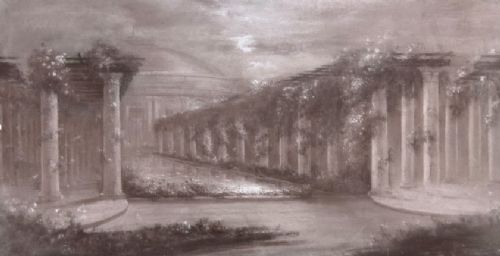
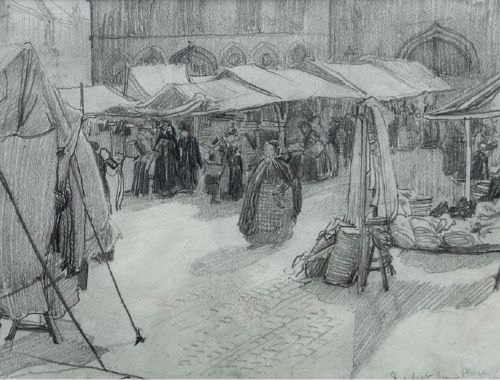
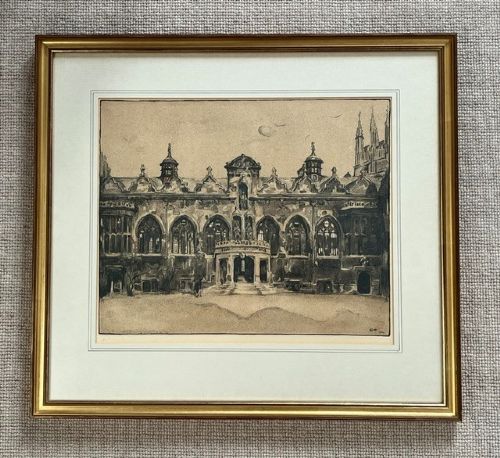
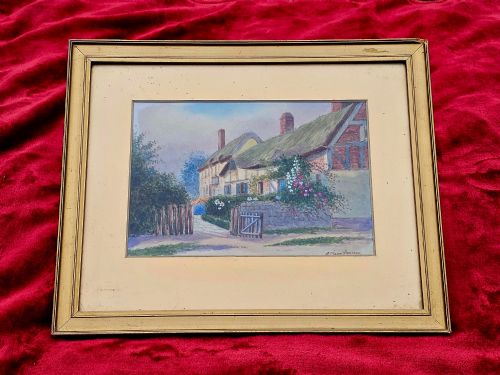
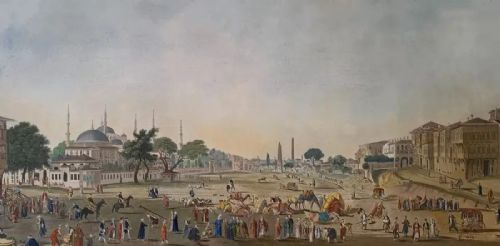
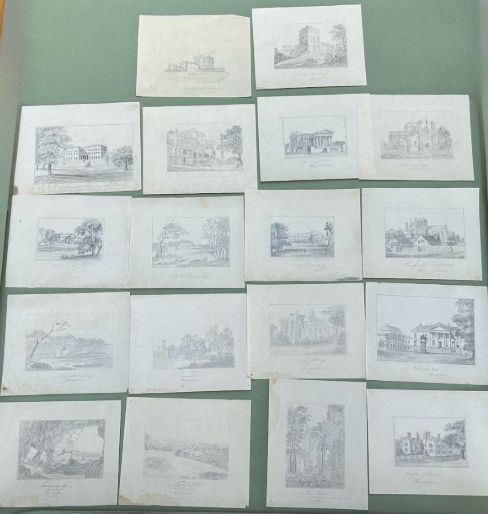
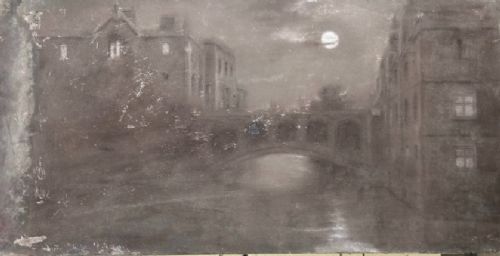
When you search for paper architectural artwork, you discover framed watercolours, engravings, and lithographs recording classical buildings and urban scenes.
Paper Architectural Artwork
Paper architectural artwork spans original watercolours, ink drawings, prints, and lithographs depicting buildings, streetscapes, and ancient monuments. These pieces record structures and urban views from the seventeenth century through to the mid-twentieth century.
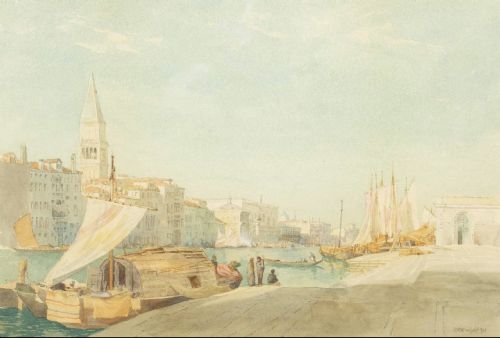
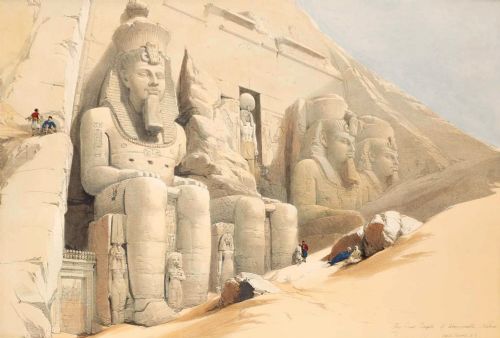
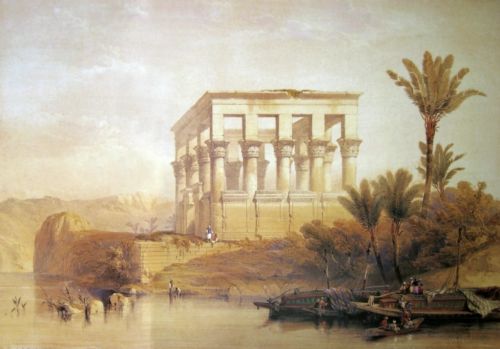
The selections on this page commonly feature Victorian and Edwardian works alongside early twentieth-century pieces. Subject matter ranges from Venetian canals and English market crosses to grand Egyptian temples and classical antiquities.
Buyers encounter framed art and wall pieces that serve as historical records of topography and design. Many items document specific locations, bridging fine art illustration and architectural recording.
Materials and methods
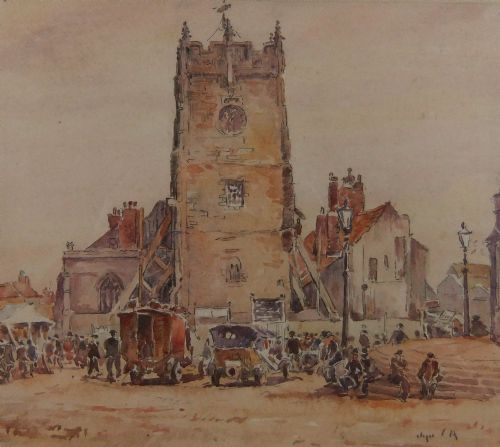
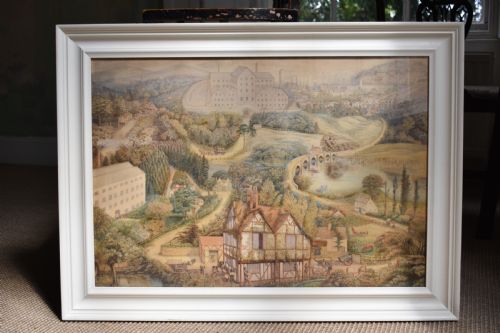
Works are executed primarily on paper support using watercolour, ink, graphite, and charcoal pigments. Artists often applied watercolour pigment and ink washes to define masonry, shadows, and surrounding landscapes.
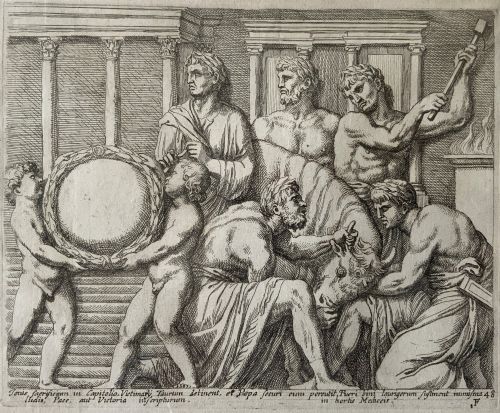
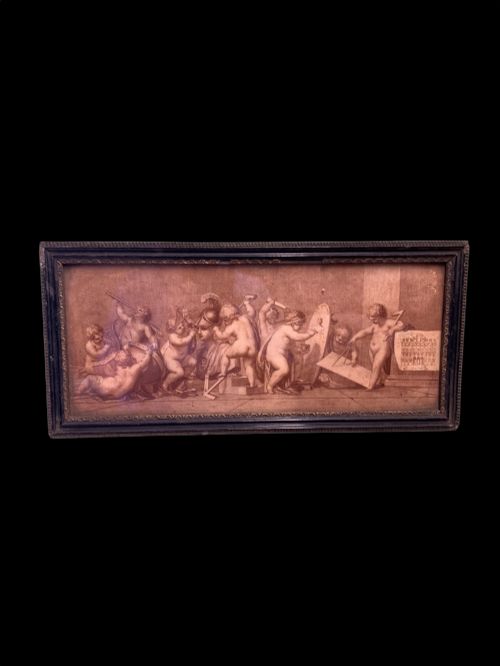
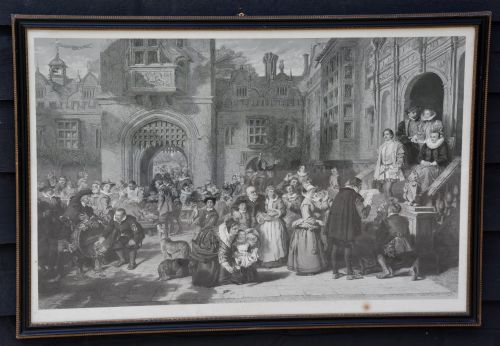
Print techniques including etching, engraving, and lithography formed multiple impressions of architectural subjects. Hand colouring was frequently added afterwards to enhance details on monochrome prints.
Surviving pieces utilise glass protection and wood framing, sometimes retaining original frames such as Hogarth mouldings. Paper components are occasionally mounted onto canvas stretchers for added support.
Several artists captured bustling markets and leisurely gondoliers, proving that even historic architects needed a day off.
Assessing quality
Quality rests in the precision of the draughtsmanship and the clarity of the architectural perspective. Skilled handling of light and shadow defines how convincingly stone, water, and atmosphere are rendered.
The strength of provenance and documentation influences standing, particularly when artists or specific publishers are identified. Contemporary signatures, inscriptions, and original framing contribute to historical integrity.
François Perrier·Sir William Nicholson·David Roberts·Anton Ignaz Melling·Henry de Waroquier
The Paper Architectural Artwork Glossary
- Lithography
- A planographic printing method using a flat stone or metal plate to reproduce illustrations. Artists draw directly onto the surface with a greasy medium to create the image.
- Etching
- A printmaking technique where lines are bitten into a metal plate with acid before ink is applied. This process allows for fine, controlled detail in architectural views.
- Grand Tour
- A traditional trip through Europe undertaken by upper-class travellers to study art and antiquity. Resulting watercolours and prints typically recorded classical ruins and foreign monuments.
- Engraving
- A method of cutting designs into a hard plate using a burin to hold ink for printing. The resulting lines are sharp and uniform.
Paper Architectural Artwork: Frequently Asked Questions
What subjects do these artworks show?
The pieces depict buildings, townscapes, market squares, and ancient ruins from various European and international locations. Common subjects include Venetian canals, Oxford colleges, Egyptian temples, and domestic street scenes.
Many works function as topographical records, capturing specific architectural landmarks as they appeared in past centuries.
How should I frame and hang these works?
Paper works require conservation framing with acid-free mounts and UV-protective glass to prevent fading and paper degradation. Keeping them away from direct sunlight preserves the watercolours and inks.
Display them on interior walls with stable humidity and temperature conditions to protect both the paper and any original wood frames.
How do I identify the period of a print?
Dating relies on paper characteristics, printing techniques, and stylistic clues within the architectural depiction. Inscriptions, signatures, and publisher marks often provide direct evidence of creation dates.
Examining framing methods alongside any archival labels helps confirm the historical context of the piece.
Are these pieces original works or reproductions?
The listings include both unique original paintings in watercolour, charcoal, and ink alongside period prints such as engravings and lithographs. Original drawings feature direct hand-applied pigment on paper.
Period prints are vintage impressions produced from plates or stones during the active lifetime of the medium.