




Paper Aquatint Engraving
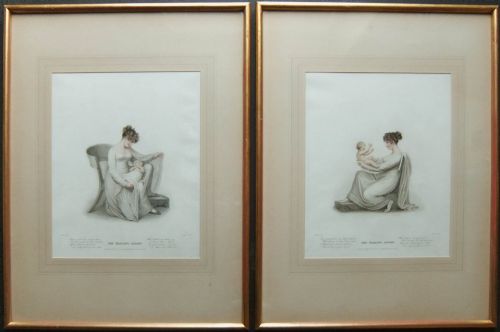
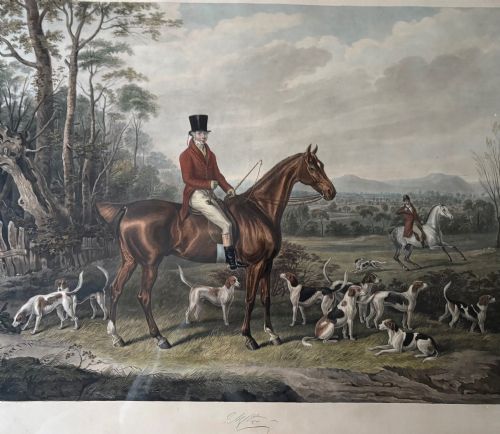
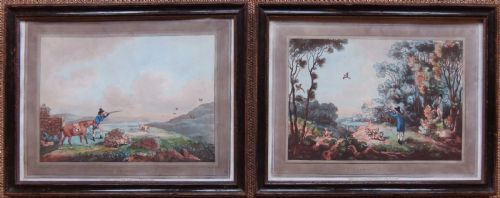
These paper aquatint engraving examples combine delicate tonal etching with hand-colouring, prized by collectors for their rich depiction of historical scenes and sporting life.
Paper Aquatint Engraving
When you search for paper aquatint engraving, you encounter works produced across the nineteenth century, including Georgian and Victorian eras, as well as Regency periods. These pieces appear on paper, often framed alongside glass and wood, recording sporting scenes, equestrian subjects, and historical figures.
The objects take the form of prints, wall art, and framed artwork, sometimes presented as pairs or complete sets such as shooting scenes or hunting sequences. You meet individual plates alongside bound books and signet rings relating to historical figures, showing the varied contexts in which these prints survive.
How they were made
Maker techniques rely on paper supports treated with ink, hand-coloured ink, and watercolour, occasionally enhanced with gold leaf. Artisans used etching processes to create tonal areas that mimic watercolours.
Framing materials such as gilt wood and glass protected these delicate paper sheets from moisture and handling, ensuring the survival of the hand-coloured details through the centuries.
What varies in quality
Quality rests upon the crispness of the plate impression and the subtlety of the hand-colouring applied across the paper surface. Superior examples retain vibrant watercolour tones without fading, while lesser specimens suffer from dull application or discoloration.
Complete sets in original frames carry distinct appeal compared to isolated prints or damaged plates, reflecting the care taken in preservation since the nineteenth century.
The Paper Aquatint Engraving Glossary
- Aquatint
- A printmaking technique that produces tonal effects by using acid to bite into a metal plate through a porous ground. It creates areas of grey and shadow similar to watercolour washes.
- Hand-Coloured Ink
- Pigment applied by hand to a monochrome printed base to add colour and life. This technique was common in nineteenth-century production before mechanical colour printing took over.
- Regency
- A period in British history spanning the early nineteenth century, noted for distinctive neoclassical elegance in art and furnishings. Pieces from this era often feature refined equestrian and portrait subjects.
- Gilt Wood
- Timber treated with a thin layer of gold leaf or gold paint, frequently used for framing fine artwork. It provides a decorative border that complements the tones of the print within.
Paper Aquatint Engraving: Frequently Asked Questions
What is a paper aquatint engraving?
It is an etched print on paper using a resin ground to create tonal shades, frequently enhanced by hand-colouring.
These works record sporting events, portraits, and coastal views from the Georgian and Victorian periods.
How should I display them?
Keep framed prints away from direct sunlight to protect the watercolour pigments and paper from fading over time.
Ensure the glass and wood frame remains sealed to prevent humidity damage.
Are they found in sets?
Yes, many sporting and hunting subjects survive as complete sets of four or six matching plates.
Pairs of prints are also common, particularly for portraits and rural landscapes.
How do I identify the period?
Dating relies on the paper type, framing style, and stylistic conventions associated with the Georgian and Victorian eras.
Inscribed names and publication dates on the margins often confirm the precise decade of creation.