


Panelled Wood Coffer
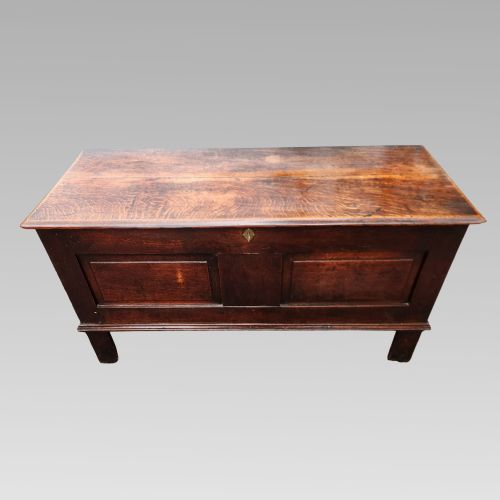
A panelled wood coffer is a sturdy storage chest built to endure centuries, offering solid timber construction and traditional joinery that anchors a room.
Panelled Wood Coffer
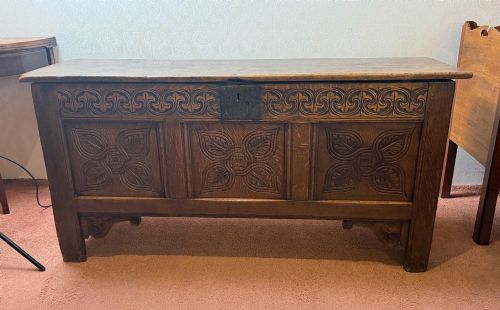
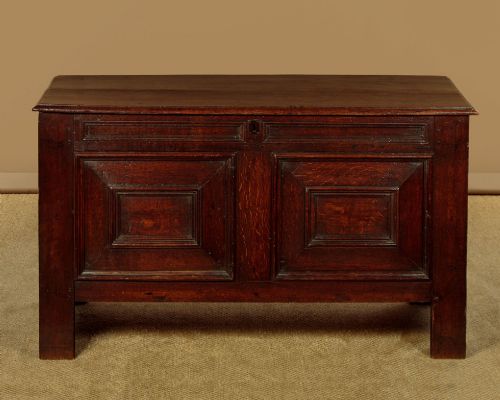
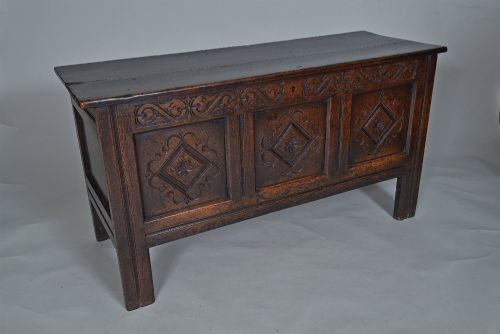
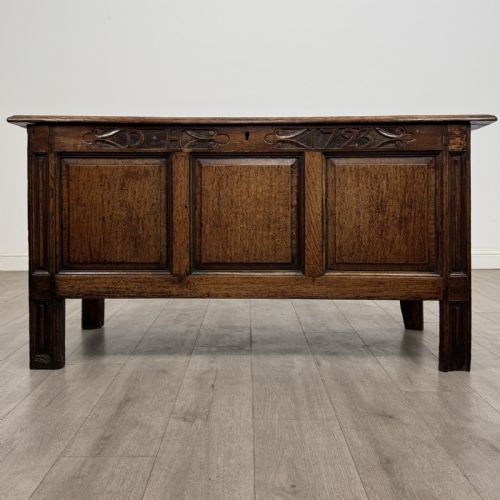
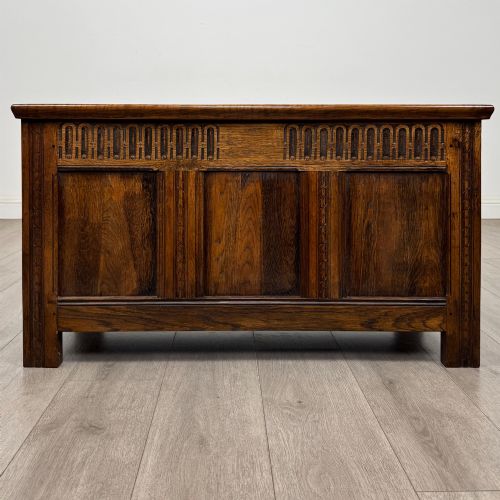
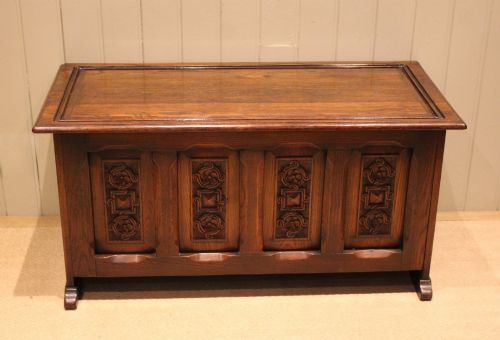
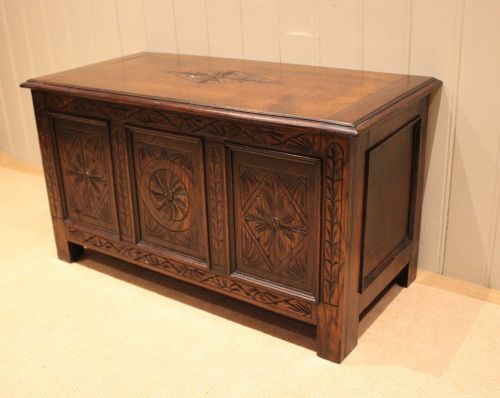
A panelled wood coffer serves as a traditional storage chest or box, originating from periods spanning the sixteenth century through the early twentieth century. These pieces appear primarily in oak, with occasional examples in walnut, fruitwood, and mahogany.
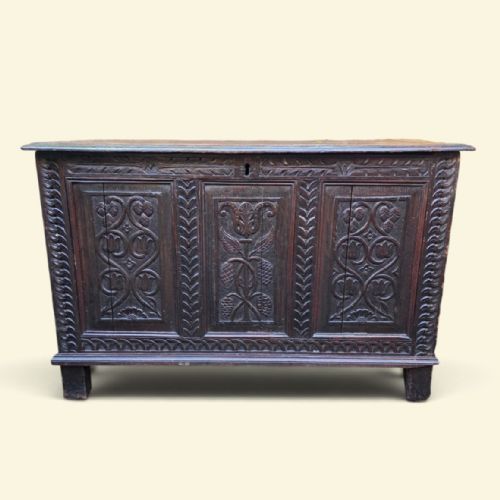
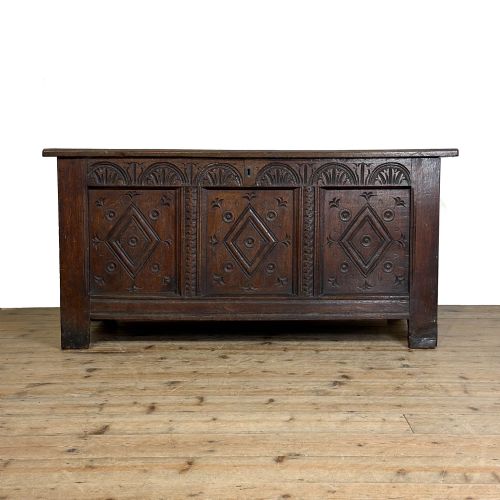
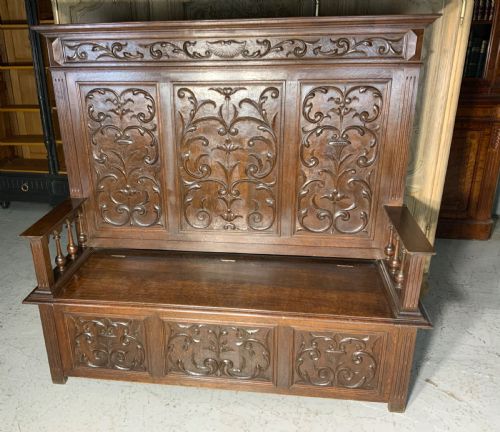
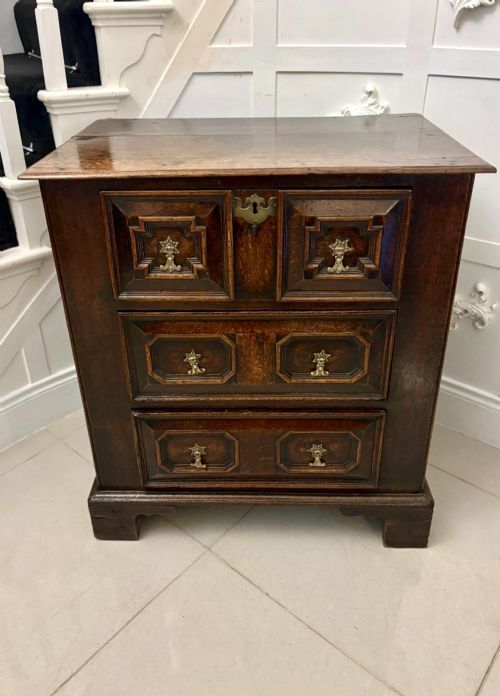
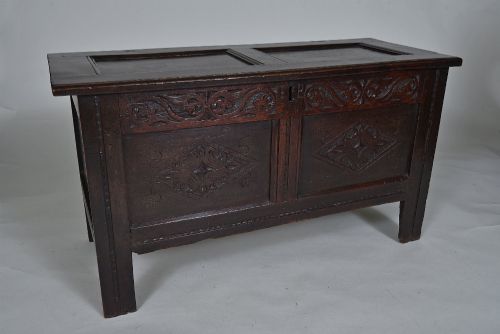
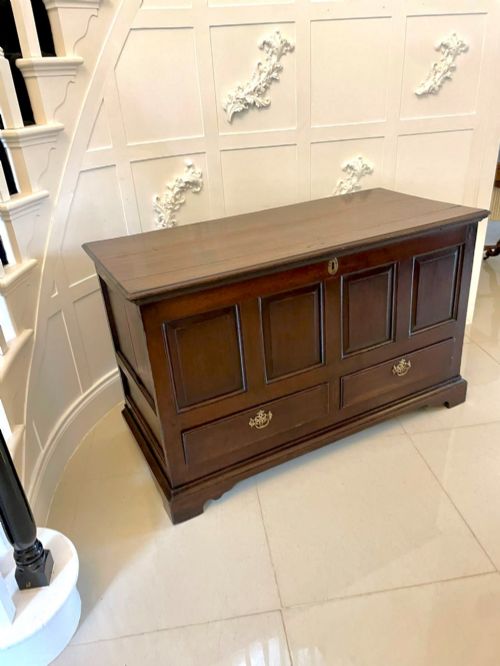
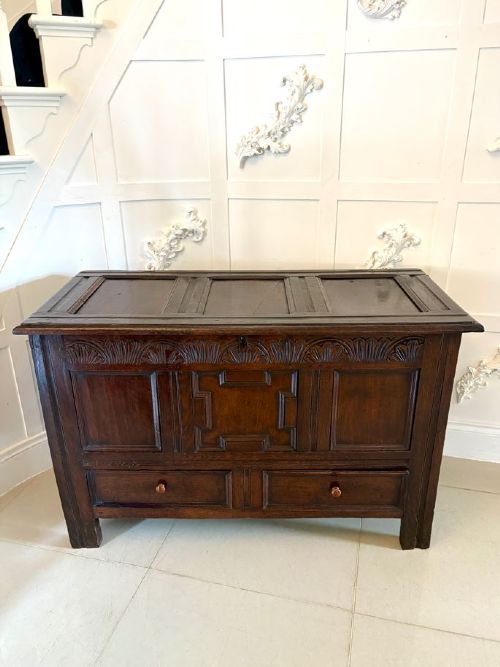
Buyers are most likely to encounter seventeenth and eighteenth-century oak pieces on this page, often displaying carved fronts, geometric mouldings, or linenfold panels. Forms range from simple blanket boxes to mule chests fitted with lower drawers and settles with hinged seats.
How They Were Made
Construction relies heavily on solid oak boards assembled using mortise and tenon joints to secure the frame around inset panels. This method allows the timber to expand and contract naturally with changes in humidity without splitting.
Surface decoration involves hand-carving in low or high relief, geometric panelling, and occasional inlay work. Iron or brass hardware, including hinges and lock plates, secures the lid and completes the build.
Panelled Wood Coffer Retail Price Guide 2026
Typical asking prices for panelled wood coffer among the pieces listed under this phrase on Sellingantiques today, from the lower quarter to the upper quarter. They describe what is for sale here now, not the wider market.
Some seventeenth-century coffers feature internal candle boxes, keeping tallow dips close at hand for midnight rummaging in the linens.
What Varies in Quality
The degree of hand-carving detail and the crispness of the geometric mouldings distinguish standard examples from finer pieces. Depth of relief and the complexity of panels, such as linenfold or figural carvings, elevate the character of the work.
Originality of timber, hardware, and structural elements defines the standing of a coffer. Pieces retaining their early hinges, internal candle boxes, and untouched surface patination hold greater historical integrity.
The Panelled Wood Coffer Glossary
- Mule chest
- A storage chest featuring one or more drawers beneath the main lift-top compartment. This form bridges the traditional coffer and the chest of drawers.
- Linenfold
- A style of carved wooden panelling resembling folded vertical linen fabric. It appears frequently on sixteenth and seventeenth-century pieces.
- Mortise and tenon
- A traditional joint where a projecting tenon fits tightly into a matching mortise hole, securing the frame without metal fasteners. It underpins the sturdy construction of early woodwork.
- Coffer
- A large wooden chest traditionally used for storing valuables, linen, or documents. Many examples feature hinged lids and sturdy plank construction.
- Settle
- A wooden bench with a high solid back and enclosed arms, often incorporating a hinged seat that opens to reveal storage space underneath.
Panelled Wood Coffer: Frequently Asked Questions
What were panelled wood coffers used for?
These chests served primarily for storing household valuables, garments, documents, and textiles securely in domestic settings. The heavy timber construction and iron locks protected contents from dust, dampness, and theft.
Over time, many adapted to function as seating benches or general household storage units, particularly variants like mule chests and settles that incorporated drawers or backrests.
How do I care for a antique wood coffer?
Keep the wood conditioned by applying natural beeswax periodically and avoiding placement near direct heat sources or strong sunlight. Maintaining stable room humidity prevents the solid oak timbers from drying out or cracking.
Lift the lid carefully using both hands to protect original hinges and avoid placing heavy damp items directly onto the internal base boards.
How do I date an antique coffer?
Examine the construction methods, tool marks, and joinery style to estimate the period of manufacture. Hand-cut peg joints, early ironwork, and specific decorative motifs like linenfold carving point toward sixteenth and seventeenth-century origins.
Compare the timber grain and patination against known period styles such as Jacobean geometric moulding or Georgian golden oak panel placement.
Are all coffers made of oak?
While oak remains the predominant material seen across seventeenth and eighteenth-century examples, other timbers appear in the listings. Walnut, fruitwood, mahogany, and general hardwoods also form specific regional or later pieces.
Examine the grain and colour of the timber carefully to identify the specific wood used in the panels and framing.