
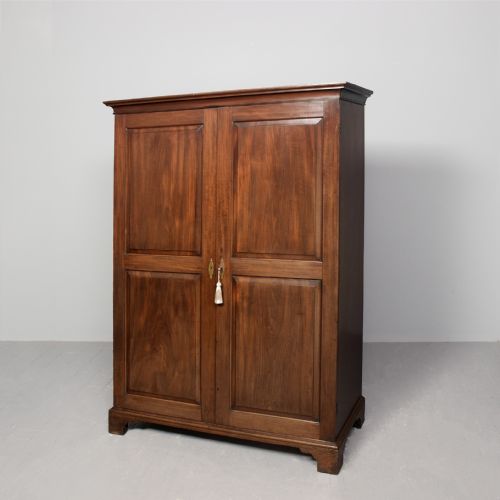
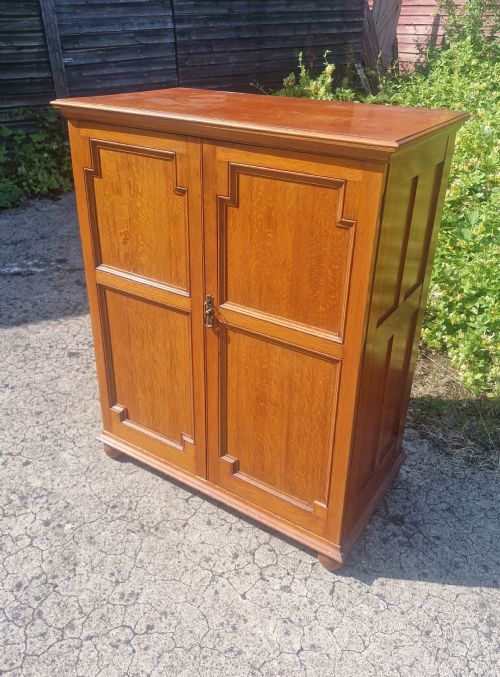

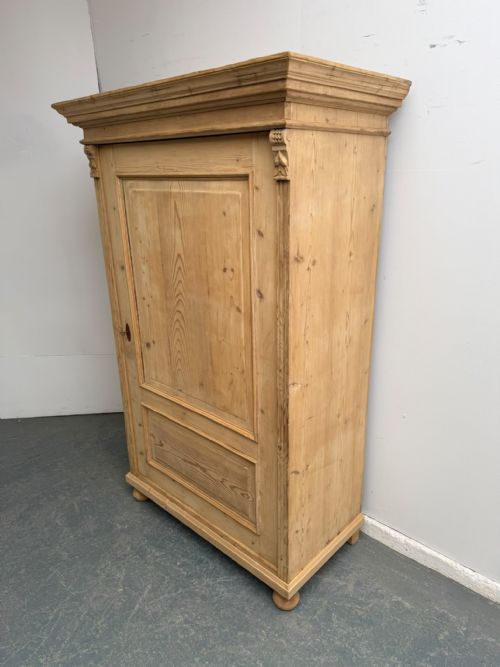
Panelled Door Wardrobe
A panelled door wardrobe offers substantial storage while bringing architectural depth and timber character into a bedroom through framed wooden construction.
Panelled Door Wardrobe
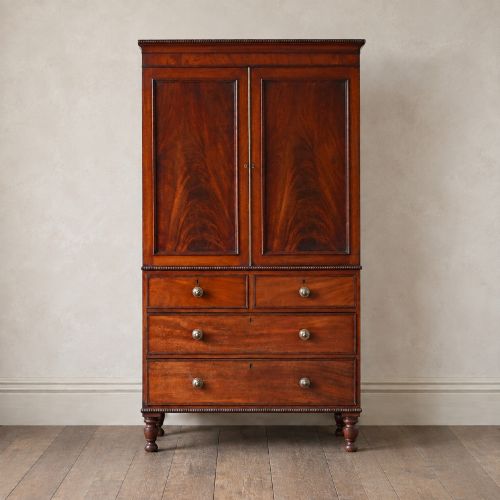
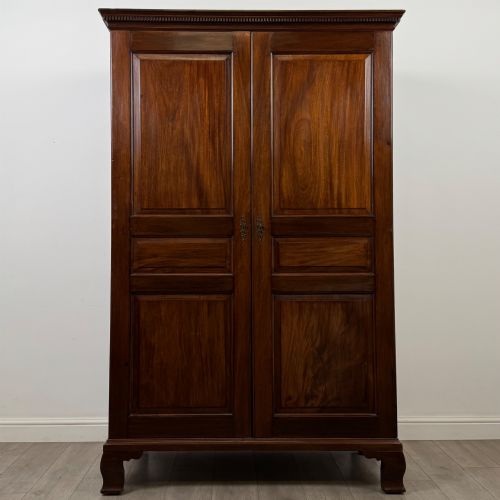
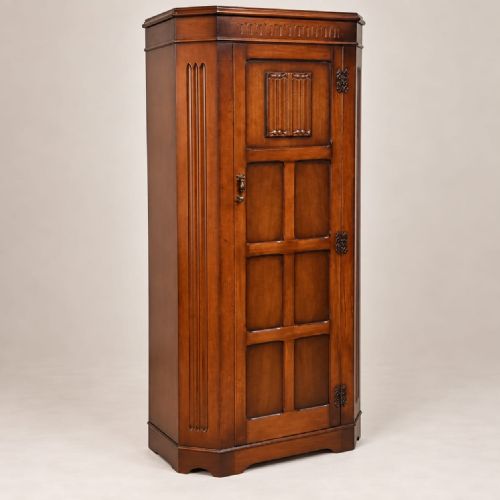
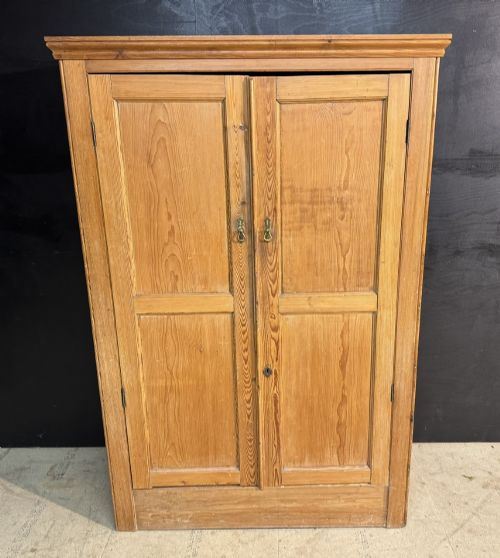
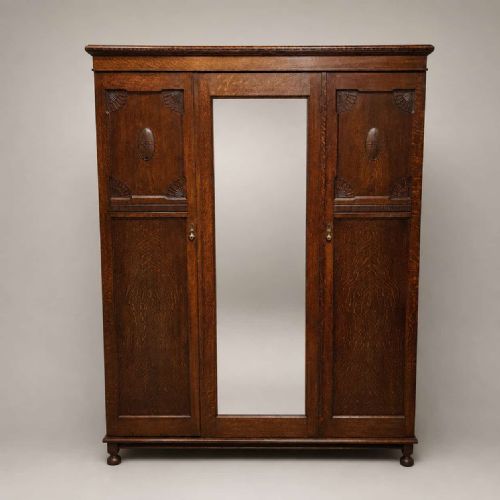
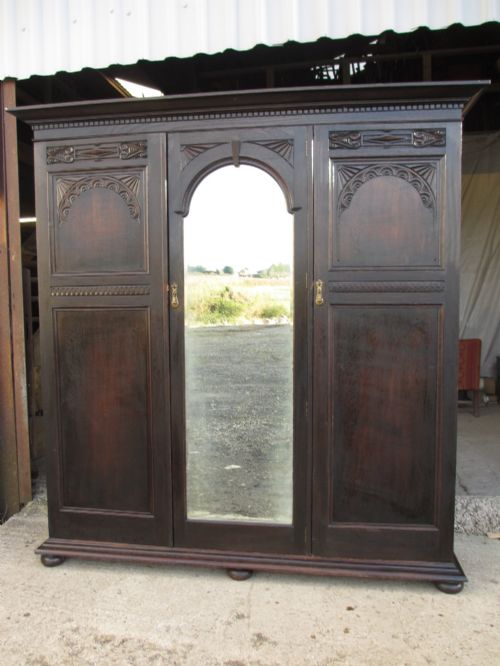
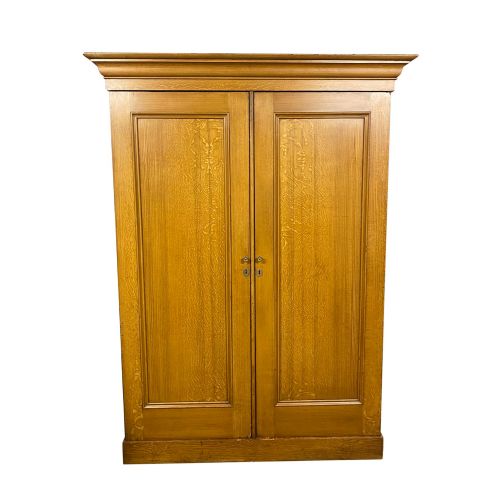
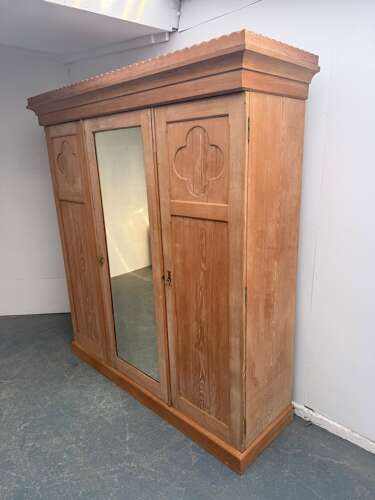
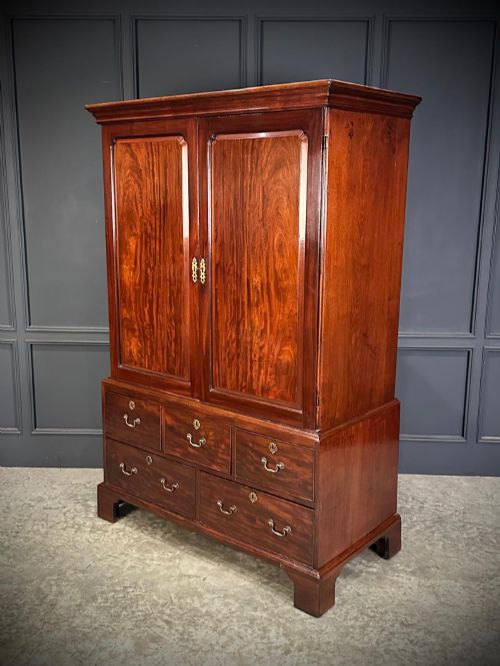
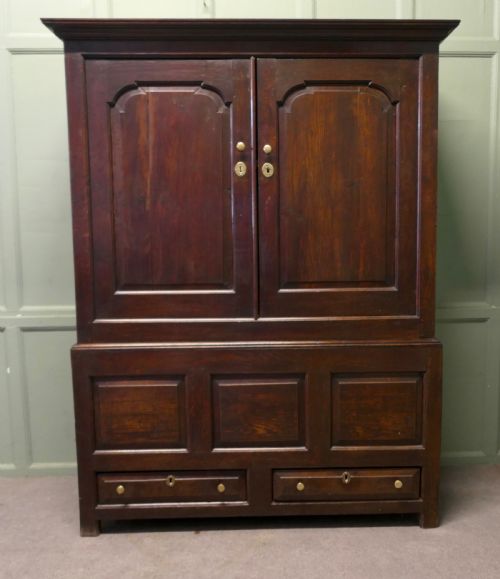
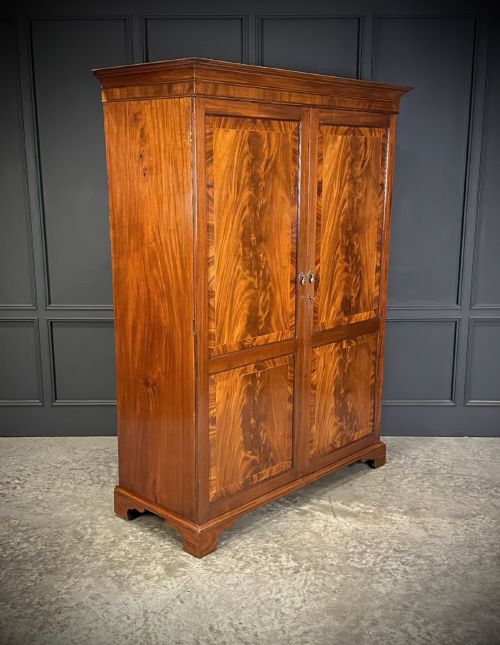
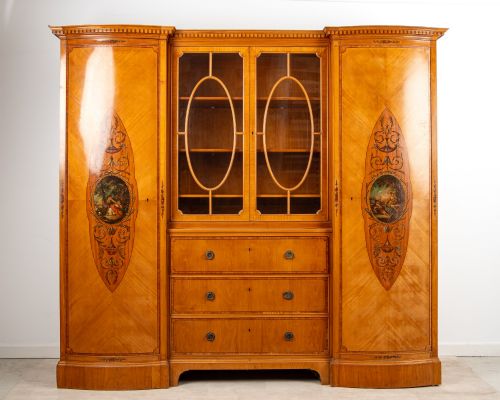
A panelled door wardrobe provides enclosed garment storage through solid timber doors built with inset wooden panels. These pieces span centuries of cabinet-making, appearing in heavy oak, rich mahogany, and adaptable pine.
The selections available here range from early Georgian housekeepers cupboards and gentleman's presses to Victorian pine knockdown pieces and Edwardian triple wardrobes. Many examples incorporate practical internal drawers, hanging space, or compactum shelving.
Buyers frequently encounter robust pine and oak variants alongside formal mahogany designs from the Georgian and Victorian eras. These large storage items serve as the focal point of a bedroom while offering enduring utility.
How they were made
Cabinet-makers constructed these wardrobes using solid timber frames fitted with recessed wooden panels to accommodate seasonal wood movement. Timber choices included dense oak, figured mahogany, versatile pine, and walnut, joined with traditional framing techniques.
Hardware played an essential structural and decorative role, with heavy brass hinges, iron fittings, and operational locks securing the large panelled doors. Surface finishes ranged from clear wax and polish to original scumble paintwork and hand-painted details.
Listings feature panelled door wardrobes spanning the 18th century, Georgian, Victorian, and Edwardian periods in oak, mahogany, and pine.
What varies in quality
The standard of a panelled door wardrobe rests on timber selection and the integrity of its joinery. Superior pieces display carefully matched grain, robust frame construction, and well-fitted doors that hang true without sagging.
Subtleties in carving, original hardware, and interior configuration distinguish utilitarian storage from finer architectural cabinet-making. The presence of untouched original finishes or period paintwork adds significant character to the piece.
Whytock and Reid
The Panelled Door Wardrobe Glossary
- Compactum
- A multi-functional wardrobe featuring a combination of hanging space, shelves, and internal drawers. This layout maximises storage efficiency within a single footprint.
- Knockdown
- A piece designed to be dismantled into sections for transport and reassembly in the home. This modular construction was particularly common in large pine wardrobes.
- Fielded panel
- A wooden door insert with bevelled edges that taper toward the frame. This technique reduces weight while adding depth and shadow to the facade.
- Linen press
- A tall cupboard combining upper shelving for folded textiles with lower drawers. These precursors to the modern wardrobe evolved to store household linens securely.
- Scumble
- A decorative paint technique used to imitate the grain of more expensive hardwoods like oak or walnut. Artisans applied translucent glazes over a lighter base coat.
Panelled Door Wardrobe: Frequently Asked Questions
How do I assemble a knockdown wardrobe?
Knockdown wardrobes utilise interlocking sections, wedges, or concealed bolts to secure the cornice, base, and sides together without permanent glue. Mark each joint during initial dry-fitting to ensure the panels align correctly before final tightening.
Enlist a second person to support the heavy panelled doors and side sections during assembly. Check that the frame squares evenly on the floor so the doors swing freely.
Will a large wardrobe fit my room?
Measure your ceiling height and floor space carefully, accounting for the swing radius of wide panelled doors. Knockdown formats offer a distinct advantage for rooms with restricted staircases or tight access.
Allow a few centimetres of clearance around the top cornice and sides for uneven walls and skirting boards. Consider whether internal drawers require full extension room when the doors are open.
How do I care for antique pine?
Feed waxed pine surfaces periodically with a quality beeswax to nourish the timber and maintain a soft lustre. Avoid placing wardrobes near direct heat sources or strong sunlight, which can dry out the wood.
Dust regularly with a soft, dry cloth rather than using silicone-based sprays. Treat painted finishes gently with mild soapy water only when necessary to preserve the original surface.
How do I date a panelled wardrobe?
Examine the construction methods, timber species, and hardware to determine the period of manufacture. Hand-cut dovetails, secondary woods like oak or deal, and original brass locks offer strong chronological clues.
Stylistic cues such as Georgian bracket feet, Victorian proportions, or Edwardian inlaid satinwood help narrow the decade. Look for tool marks and fastening types that correspond to historical manufacturing eras.