




Pale Oak Drawers
Pale oak drawers offer a soft, natural timber finish to storage pieces, spanning from Georgian chests to mid-century utility designs.
Pale Oak Drawers
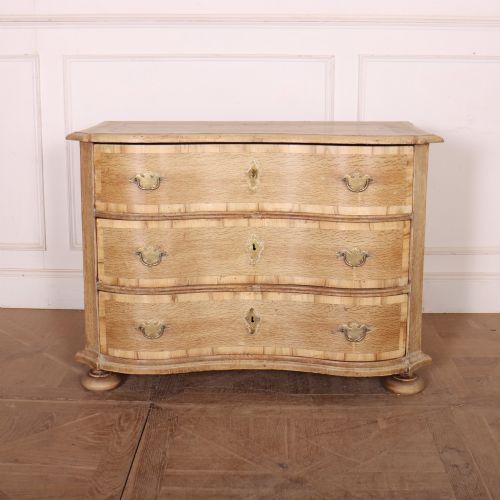
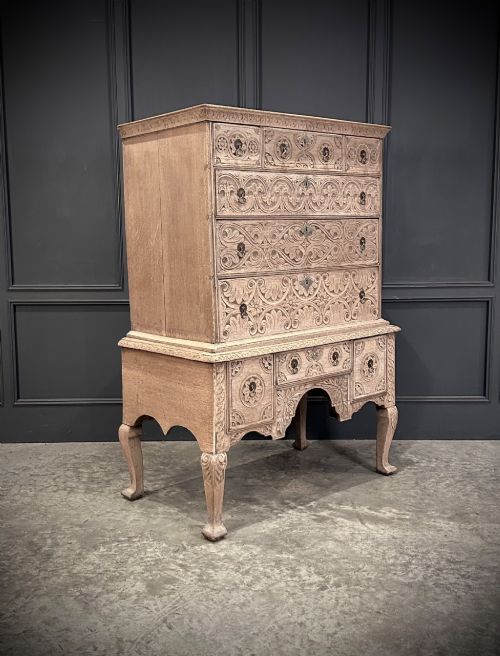
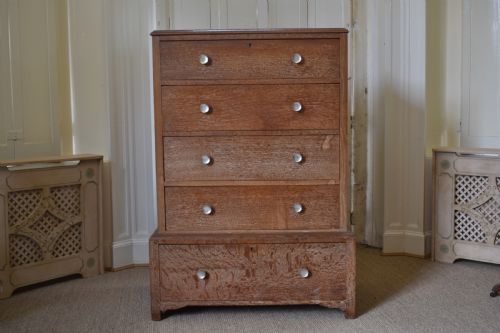
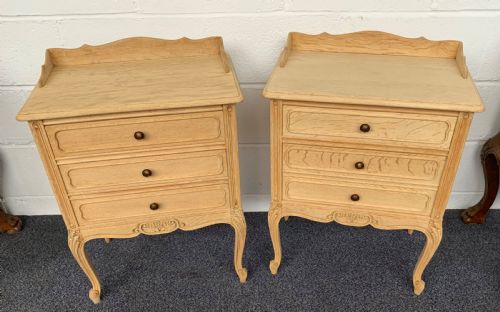
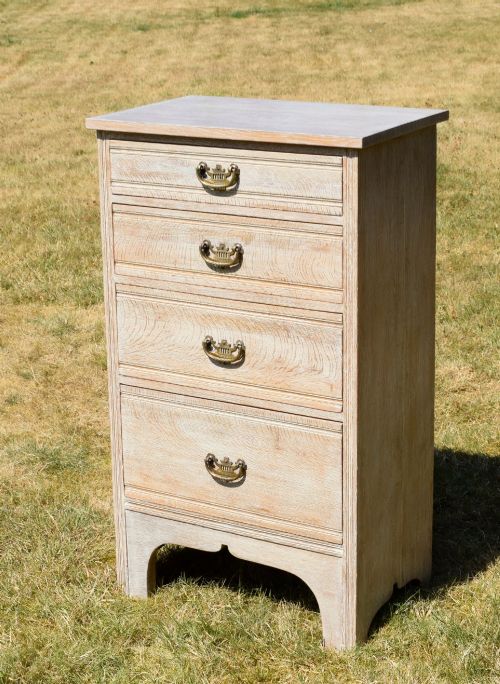
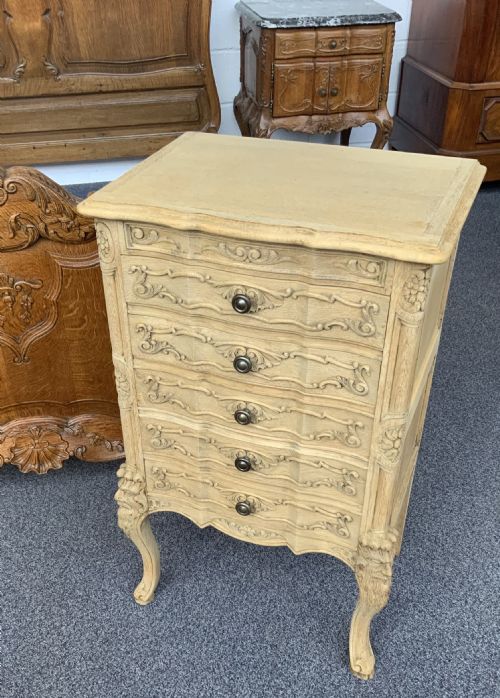
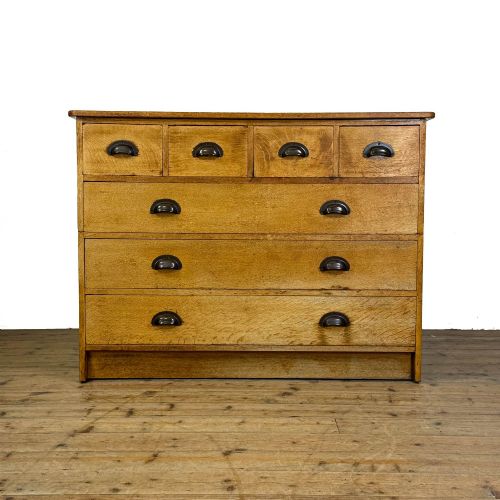
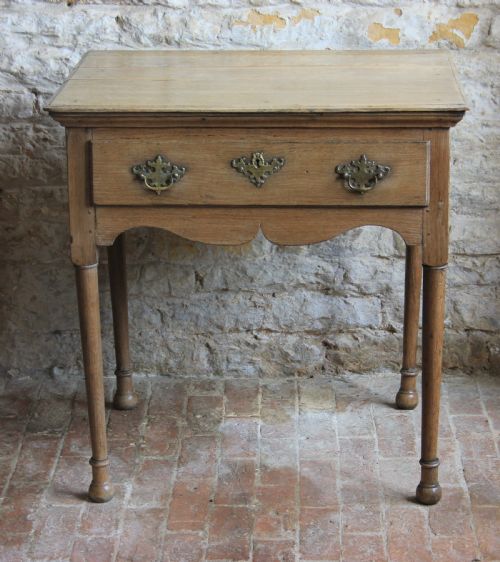
Pale oak drawers encompass a wide variety of storage forms, including traditional chests of drawers, lowboys, commodes, and dresser bases. These pieces emerge from different periods, ranging from the eighteenth century to the nineteen-thirties, showing domestic storage solutions across Europe.
Buyers seeking pale oak drawers will encounter distinct regional styles such as French provincial, English country, and Austrian rococo. The forms vary from tall chests and chests on stand to compact bedside cabinets and large servers.
The finish on these items often derives from deliberate bleaching, liming, or the natural ageing of the timber over centuries. Each piece displays the distinct grain pattern of oak combined with a lighter tone than standard dark or golden timber.
How they were made
Carpenters constructed these storage pieces primarily using solid oak timber, frequently pairing the wood with brass handles, locks, and occasional leather accents. Metal fitments serve both a structural and decorative purpose on drawer fronts and cabinet doors.
Makers utilised traditional joinery techniques to build robust carcases and drawer boxes that withstand regular use. Surfaces received specialised treatments such as liming or bleaching to achieve the characteristic pale coloration seen in many examples.
Listings feature oak material combined with brass, metal, and leather across pieces dating from the eighteenth century to the nineteen-thirties.
What varies in quality
The standard of craftsmanship depends on the precision of the joinery and the integrity of the timber selection. Finer examples display careful attention to drawer construction and the harmonious integration of brass hardware.
Proportions and decorative carving dictate the visual refinement of each piece. Superior items maintain structural balance while exhibiting well-executed details characteristic of their specific period of origin.
Heals
The Pale Oak Drawers Glossary
- Bleached oak
- Timber treated with chemical agents to lighten its natural colour. This process highlights the grain while removing darker tones.
- Lowboy
- A small oak table with drawers, typically standing on four legs. It functioned historically as a dressing table or side table.
- Commode
- A low chest of drawers or cabinet originating in France. These pieces often feature shaped fronts and decorative brass mounts.
- Chest on stand
- A tall drawer section elevated on an open frame or base. This form lifts the storage space off the floor.
- Dresser base
- A low cabinet featuring multiple drawers and sometimes cupboards beneath a flat top. It served utility and storage purposes in dining areas.
Pale Oak Drawers: Frequently Asked Questions
What periods do pale oak drawers come from?
These storage pieces date from the eighteenth century through to the nineteen-thirties, encompassing Georgian, Edwardian, and later twentieth-century eras.
Different decades introduced distinct styles, ranging from formal eighteenth-century designs to later provincial and utility forms.
How do I care for pale oak furniture?
Keep the timber away from direct heat sources and strong sunlight to prevent the light oak finish from drying out.
Dust the surface regularly with a dry cloth and avoid harsh chemical cleaners that might strip the bleached or limed appearance.
Are these drawers made of solid oak?
The pieces utilise oak as the primary material for their construction, complemented by brass fittings and occasionally metal or leather details.
Carpenters built these items to serve practical storage functions in domestic rooms.