




Bleached Oak Drawers
Bleached oak drawers bring a pale, weathered warmth to an interior, offering practical storage through pieces shaped by French provincial, Georgian, and Dutch traditions.
Bleached Oak Drawers
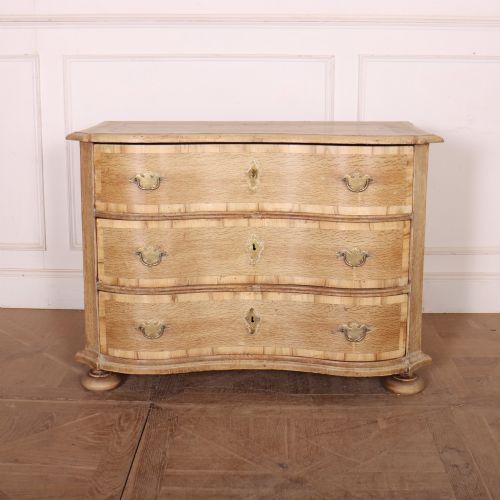
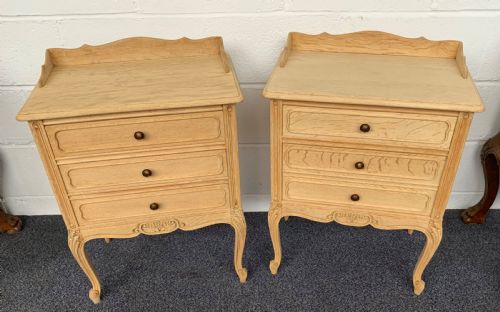
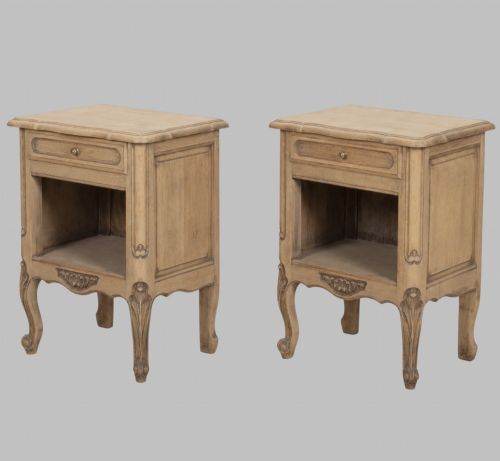
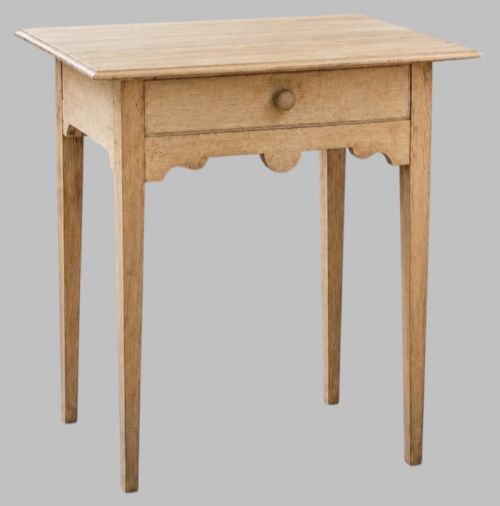
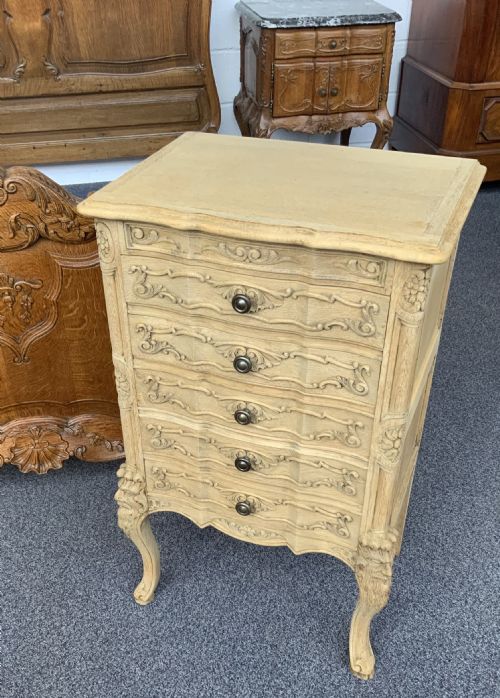
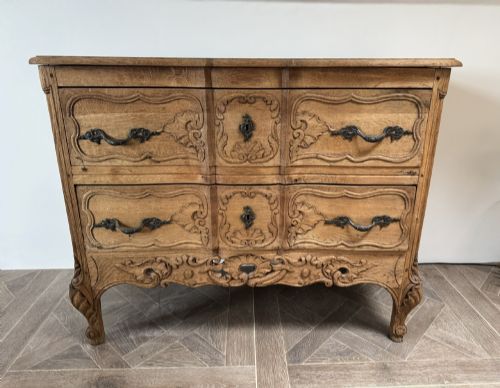
When you search for bleached oak drawers, you encounter storage forms ranging from compact bedside cabinets and bedside tables to substantial chests of drawers, commodes, and chests on stand. The most common iteration met on this page is the French chest of drawers, often referred to as a commode, originating from the nineteenth and early twentieth centuries.
These pieces also appear in English, Dutch, and Austrian variants, spanning periods from the eighteenth century through the 1930s. Alongside standard drawer configurations, the selection includes related forms like dresser bases, servers, and side tables that incorporate drawer storage into their design.
What varies in quality
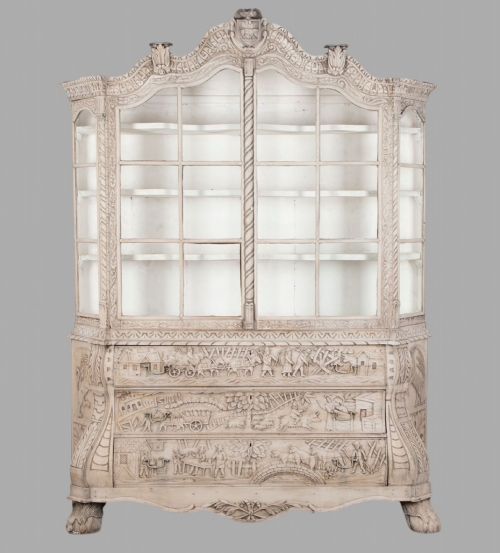
The distinction between tiers of quality rests upon the depth of the carving and the coherence of the regional style. Pieces originating from specific vernacular traditions, such as Dutch bombes or detailed French commodes, display a sharper execution of form and proportion than simpler utility items.
Surface finish also dictates standard, as a controlled, even lightening of the oak grain preserves the timber's integrity better than heavy-handed stripping. Original brass hardware and well-fitted drawer mechanics elevate a piece above those with replaced fittings or structural alterations.
Listings feature oak, brass, iron, and glass across periods spanning the eighteenth century to 1930.
The Bleached Oak Drawers Glossary
- Bleached oak
- Timber treated to remove its darker original finish, resulting in a pale, matte surface. This process highlights the natural grain pattern of the wood.
- Commode
- A low chest of drawers or cabinet, frequently associated with French design from the eighteenth and nineteenth centuries. The term often describes decorative bedroom or living area storage.
- Bombé
- A swelling, convex curved shape typical of Dutch and continental furniture design. It requires sophisticated timber bending and shaping techniques.
- Chest on stand
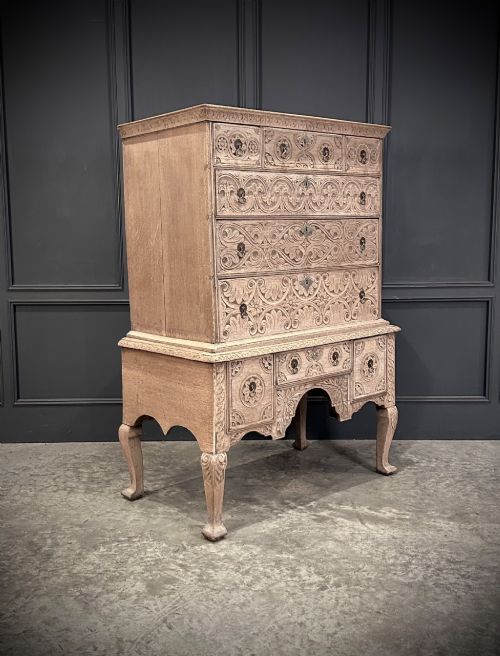
- A case of drawers elevated on a separate framework or legs. This form provides a lighter visual silhouette than a standard floor-standing chest.
- Limed oak
- Wood treated with a specialised pigment or lime compound rubbed into the open pores. This technique emphasises the grain with a contrasting whitish hue.
Bleached Oak Drawers: Frequently Asked Questions
Are bleached oak drawers antique or modern?
The pieces span a considerable chronological range, encompassing eighteenth-century origins, Georgian examples, nineteenth-century commodes, and early twentieth-century production up to the 1930s.
While some surfaces reflect historical lightening treatments, others receive contemporary processing to achieve a pale aesthetic while retaining antique timber frames.
Where did these chests originate?
The selection is dominated by French provincial and French country pieces, alongside English, Dutch, Austrian, and Spanish examples.
Regional differences appear in the hardware, the presence of carving, and structural silhouettes such as serpentine fronts or bombé curves.
How do I care for bleached oak furniture?
Maintain the pale, dry surface by dusting regularly with a soft, dry cloth rather than applying standard silicone polishes.
Protect the wood from direct sunlight and excessive moisture to prevent discoloration or drying of the historical grain.
What is the difference between a commode and a chest of drawers?
A commode typically refers to a low, decorative French chest of drawers designed for formal rooms, often featuring serpentine or shaped fronts.
A standard chest of drawers can encompass taller English and utility forms intended strictly for functional storage.