

Paired Nightstands
Paired nightstands bring symmetry to the bedroom, offering matched storage and surface space beside the bed.
Paired Nightstands
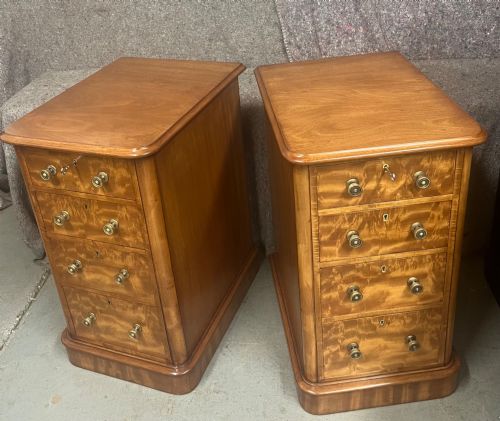
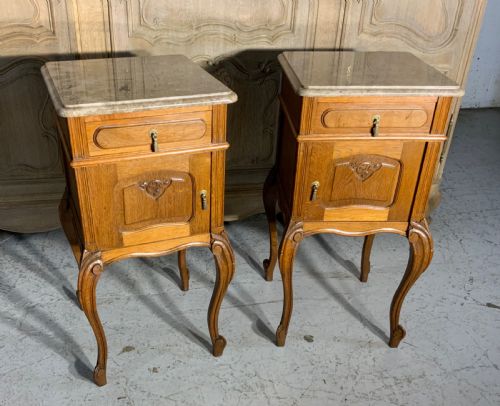
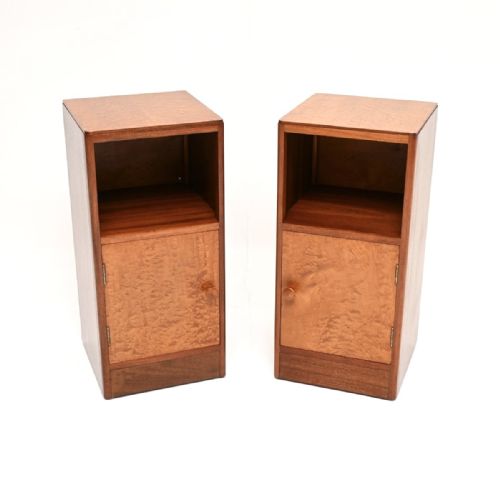
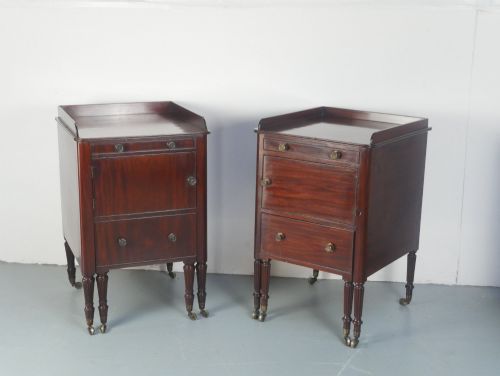
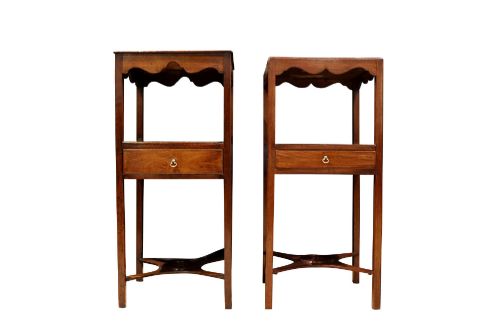
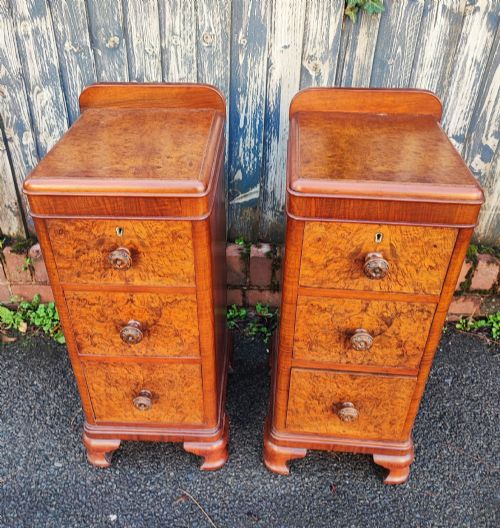
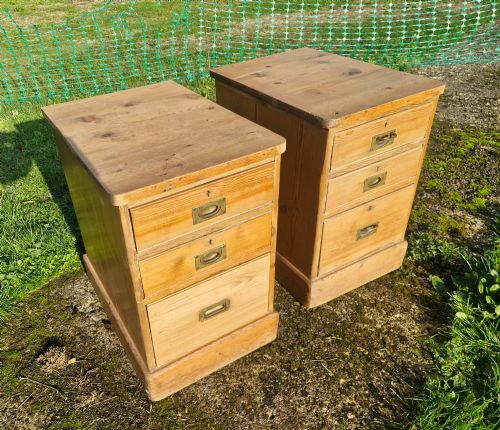
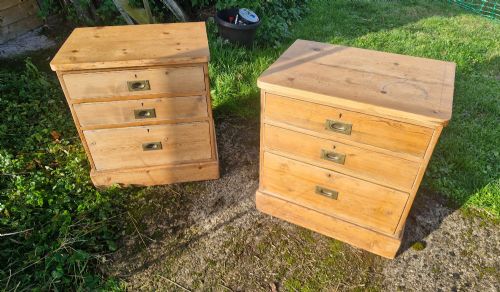
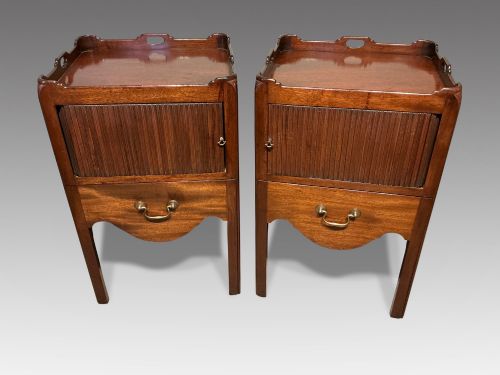
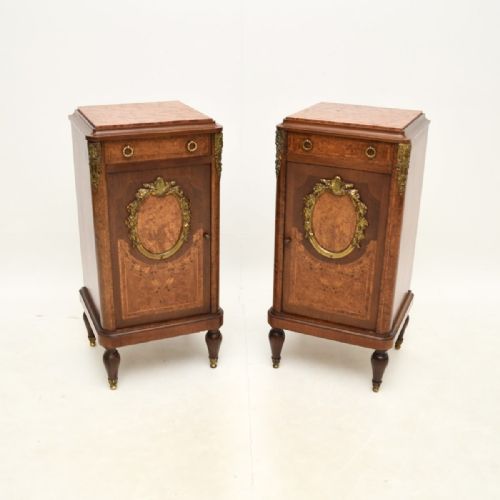
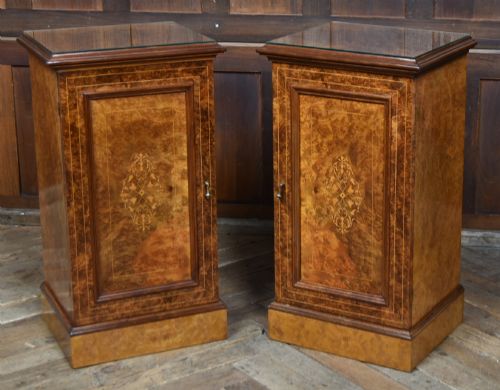
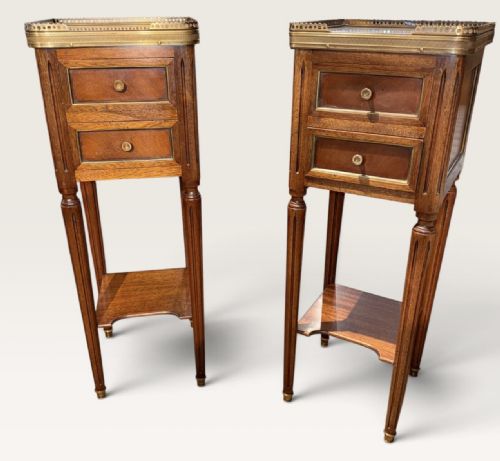
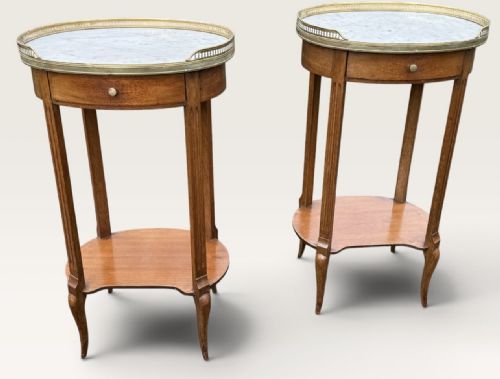
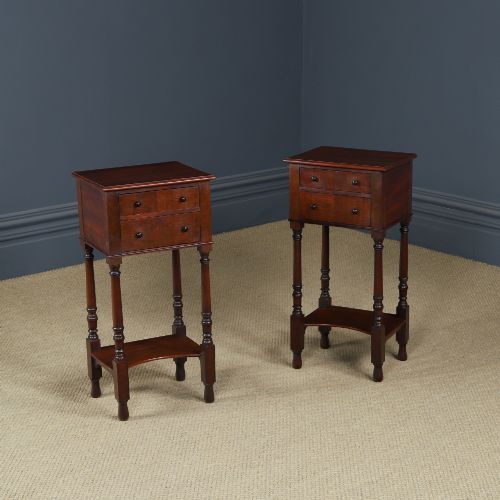
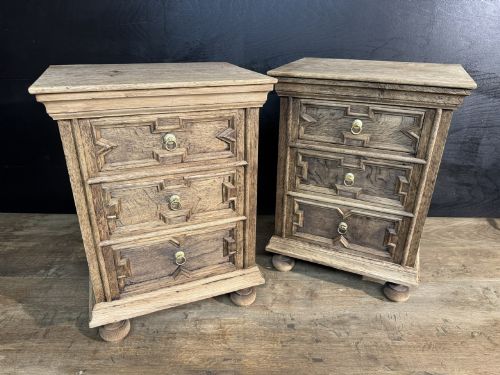
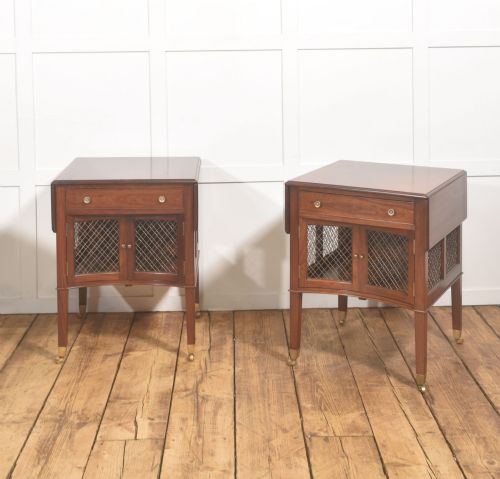
Paired nightstands encompass matching sets of bedside tables, cabinets, and chests designed to stand on either side of a bed. When searching for paired nightstands, buyers encounter configurations ranging from nineteenth-century mahogany cupboards to nineteen-thirties French oak and cherry tables.
The most common versions on this page are Victorian mahogany chests and nineteen-thirties French oak cabinets. These pieces serve practical functions while establishing balance in interior layouts through coordinated timber and proportion.
Origins span British, French, Italian, and Swedish workshops, incorporating regional woods such as walnut, satinwood, and pine alongside classic stylistic influences like Regency and Sheraton Revival.
Materials and Construction
Construction relies heavily on traditional hardwoods including mahogany, oak, and walnut, frequently accented with satinwood inlay, marquetry, or flame mahogany veneers. Cabinetmakers shaped these timbers using dovetail joints for drawers and panel construction for enclosed cupboards.
Surface treatments range from polished timber finishes to limed oak and painted pine, with several examples incorporating fitted marble tops. Brass hardware, such as handles and escutcheons, provides functional and decorative detailing across diverse periods.
Paired Nightstands Retail Price Guide 2026
Typical asking prices for paired nightstands among the pieces listed under this phrase on Sellingantiques today, from the lower quarter to the upper quarter. They describe what is for sale here now, not the wider market.
Listings feature bedside tables and cabinets spanning the Victorian era through to nineteen-thirties Art Deco.
Quality Variations
Quality rests upon the selection of timber grain, the precision of cabinet joinery, and the integrity of matched pairs. Superior examples display consistent figuring in veneers, such as flame mahogany or burr walnut, carried evenly across both pieces.
Refinement in decorative elements distinguishes finer items, including crisp carving on cabriole legs, delicate marquetry work, and original marble tops that sit flush within their wooden frames. The consistency of proportion between the two pieces determines how successfully they balance a room.
The Paired Nightstands Glossary
- Cabriole legs
- Furniture legs curving outward at the knee and inward at the ankle, characteristic of French Provincial and related styles. This design mimics the natural shape of animal limbs.
- Marquetry
- Decorative patterns formed by inserting thin pieces of wood, veneer, or shell into a wooden surface. Craftsmen utilise this technique to create elaborate geometric or floral motifs.
- Bow front
- A convex, curved front on a chest or cabinet that projects outward. This shape softens the profile of bedside furniture.
- Satinwood
- A hard, durable timber with a golden sheen and satin-like texture used for decorative veneers and inlay work. It contrasts sharply with darker woods like mahogany.
Paired Nightstands: Frequently Asked Questions
How do I match nightstands to my bed?
Consider the height of the mattress surface and the overarching style of the bed frame when selecting bedside furniture. Matching timber tones or painted finishes create visual harmony across the room.
Proportion remains vital so that the tables neither overwhelm the sleeping area nor sit too low for comfortable reach during the night.
What is the difference between a bedside table and a cabinet?
Bedside tables generally feature open surfaces, lower shelves, or simple single-drawer designs that keep items accessible. Cabinets and chests incorporate enclosed storage behind doors or multiple stacked drawers.
Enclosed cupboards conceal personal items and bulky objects, whereas open tables maintain a lighter visual presence in smaller bedrooms.
Are marble top bedside cabinets practical?
Marble tops provide a durable, heat-resistant surface that withstands glasses, lamps, and daily use without sustaining water rings or heat damage. They originated frequently in nineteenth and early twentieth-century French and Italian designs.
These stone surfaces add weight and a distinct textural contrast to wooden bedroom suites.
How do I identify Victorian bedside chests?
Victorian chests typically feature solid mahogany or burr walnut construction, deep drawer capacities, and traditional hand-cut dovetail joinery. They often display turned wooden knobs or brass drawer pulls consistent with nineteenth-century cabinetmaking.
Examining the secondary timbers inside the drawers helps confirm the period of manufacture.