



Pair Wooden Wall Carvings
Pair wooden wall carvings bring architectural depth and historical character to a room, ranging from grand architectural salvage to delicate panels.
Pair Wooden Wall Carvings
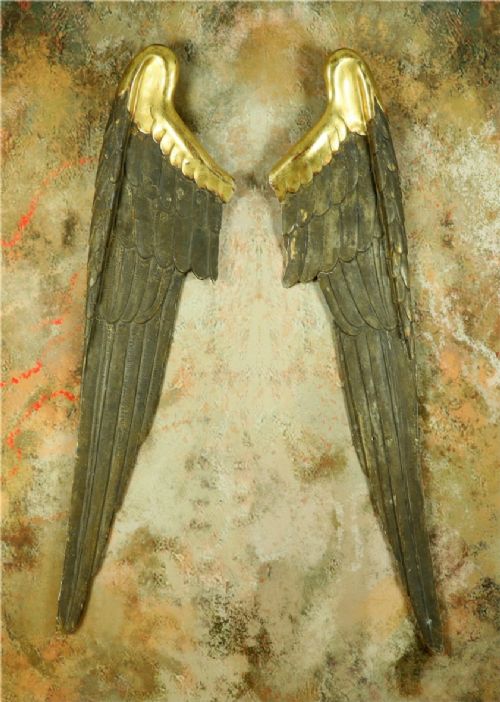
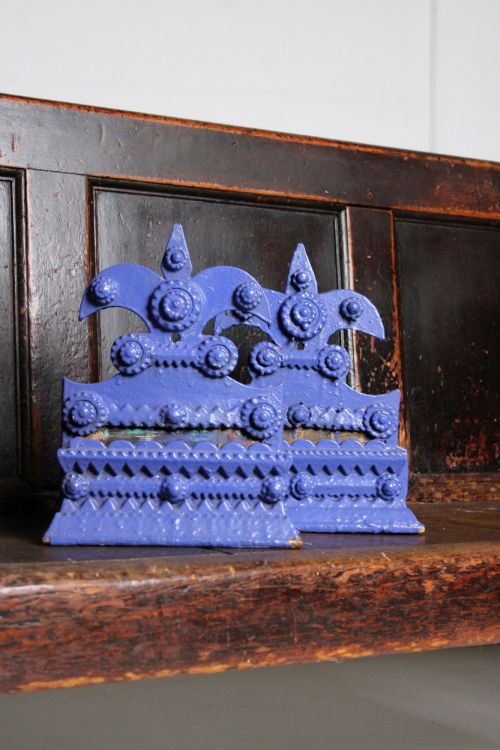
When you search for pair wooden wall carvings, you encounter architectural salvage, wall plaques, panels, and sculptures designed to hang directly on a wall. These items include symmetrical sets such as architectural corbels, temple panels, angel figures, and decorative plaques.
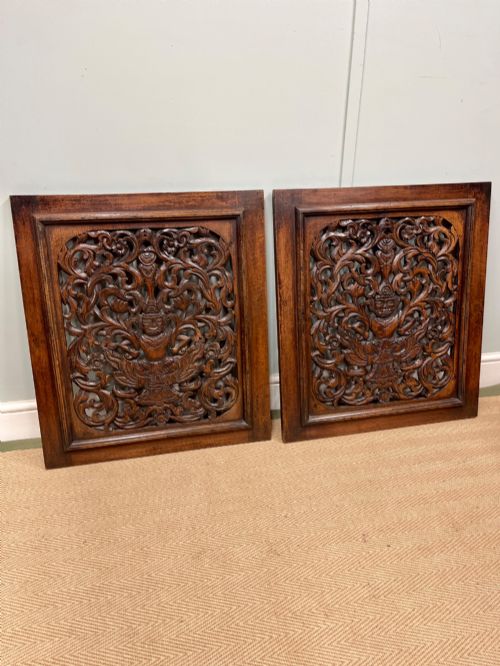
You are most likely to meet 19th-century examples on this page, alongside earlier pieces from the 17th and 18th centuries. The forms span European Black Forest styles, Italian Baroque motifs, Chinese Qing Dynasty wood panels, and English oak panels.
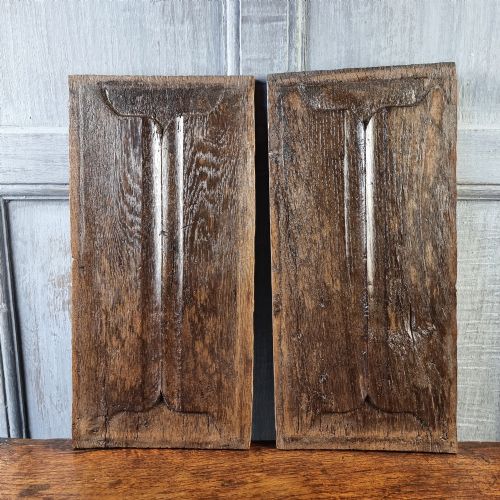
The selection ranges from large tribal doors and hunting trophies to small frames, putti, and linenfold panels. Each pair demonstrates matching craftsmanship intended to balance a interior space.
How they were made
Craftsmen utilised timbers such as oak, limewood, mahogany, pine, chestnut, and general hardwood, shaping the material with hand chisels and gouges. Relief carving, piercing, and turning techniques created the intricate depth seen in architectural corbels and panels.
Many surfaces received additional treatment through gold leaf, gesso, polychrome paint, or simple plain finishes to highlight the carved details. Black Forest and religious items often relied on these applied finishes to accentuate the natural grain of the wood.
Listings feature materials including oak, limewood, mahogany, pine, chestnut, gold leaf, and gesso across several centuries.
What varies in quality
The depth and precision of the chisel work dictate the upper tier of quality, where details remain crisp and expressive rather than flat or rushed. Master carvers achieved realistic anatomy in figures such as angels and putti, whereas lesser pieces show stiffer execution.
The preservation of the original surface finish, whether aged gilt gesso, polychrome paint, or untouched timber, significantly influences the integrity of the piece. Matching symmetry within the pair and the retention of original mounting points also distinguish finer examples.
The Pair Wooden Wall Carvings Glossary
- Linenfold
- A style of wood carving that imitates folded linen, commonly seen on Tudor and early panels. This decorative motif creates a textured surface resembling fabric drapery.
- Corbel
- A structural bracket projecting from a wall to support a weight, often carved into ornate scroll or figurative designs. These wooden supports frequently appear in matched pairs.
- Putti
- Depictions of chubby male children, often winged, derived from classical art and frequently seen in Italian Baroque carvings. Sculptors rendered these figures in wood as symbolic attendants.
- Herm
- A carved bust or figure on a pillar, tapering towards the base, originating from classical antiquity. These architectural supports served both decorative and structural purposes.
- Black Forest
- A style of wood carving associated with the mountainous region of Central Europe, known for naturalistic animals and foliage. Carvers rendered hunting trophies and forest motifs with deep relief.
Pair Wooden Wall Carvings: Frequently Asked Questions
How do I hang heavy wall carvings safely?
Heavy wooden panels and corbels require secure fixing directly into wall studs or masonry using appropriate steel brackets. Weight distribution across both pieces ensures the structural safety of the wall and the carvings.
Consulting a professional installer is recommended for large items like tribal doors or architectural salvage. Ensure the hanging hardware matches the substantial weight of dense hardwoods like oak.
What rooms suit wooden wall carvings best?
These pieces suit entrance halls, libraries, and living rooms where architectural presence anchors the interior design scheme. Symmetrical pairs frame doorways, fireplaces, or large pieces of furniture effectively.
Placing them away from direct heat sources and strong direct sunlight protects the timber and any historic painted or gilt finishes from drying out.
How should I clean antique carved wood?
Regular dusting with a dry, soft microfiber cloth prevents particle accumulation within the deep recesses of the carving. Avoid using commercial polishes, water, or chemical solvents that might damage historic gesso, paint, or wax.
Preserving the dry surface patina maintains the historical integrity of the piece. Professional conservators should handle any major cleaning or stabilization requirements.
Are these carvings from architectural salvage?
Many listings derive from architectural salvage, originating from dismantled buildings, altars, temples, and historic estates. These elements were originally integrated into larger structures before removal.
Such provenance explains the presence of peg holes, rebate cuts, or mounting brackets intended for structural integration. These construction marks offer clues to the original context of the pieces.
How do I identify different wood types?
Oak and chestnut display prominent grain patterns and rich brown tones typical of early European furniture and architectural elements. Limewood and pine offer a finer, tighter grain favoured for delicate, highly detailed relief work.
Mahogany provides a dense, reddish-brown material often used in later decorative plaques. Examining the back and unpolished areas reveals the raw timber characteristics.