
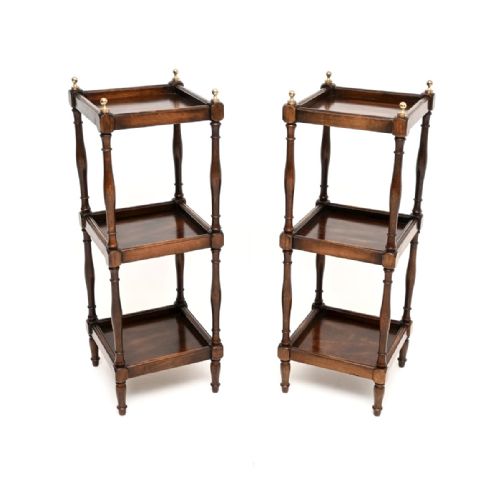
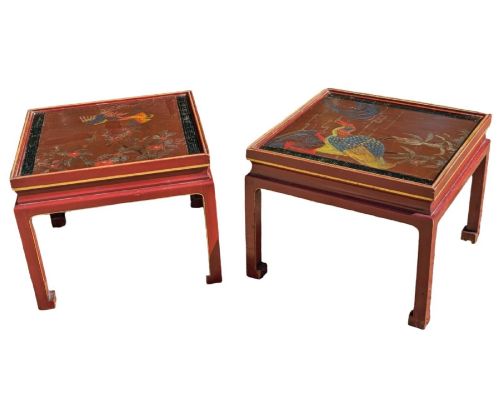

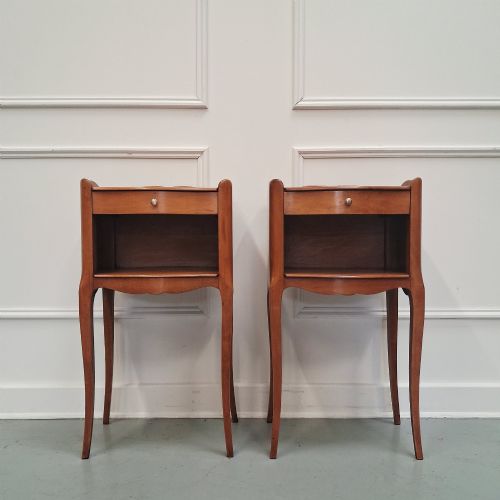
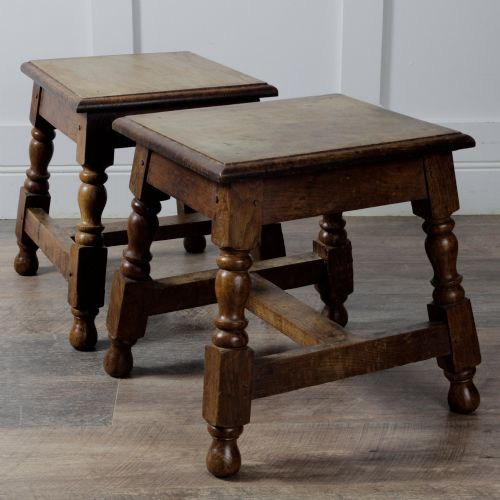
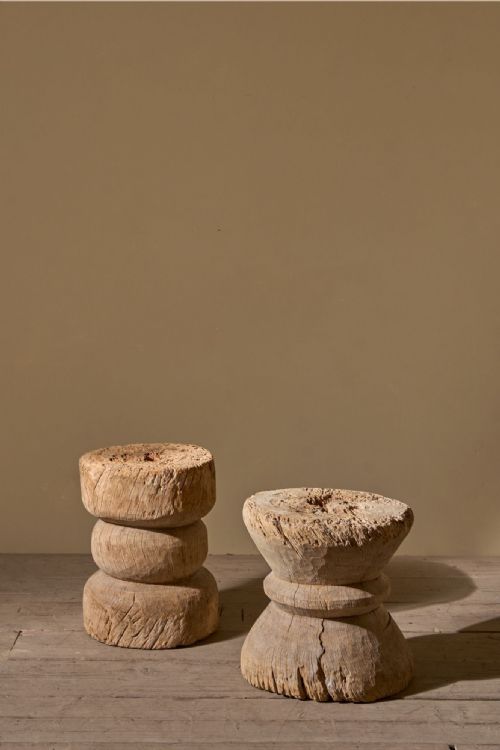
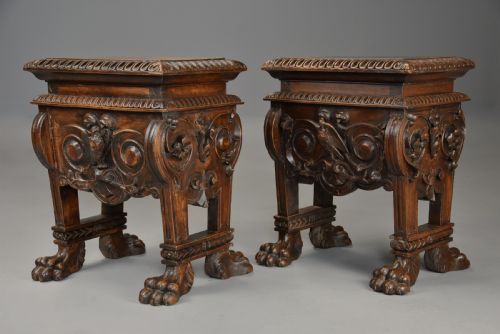
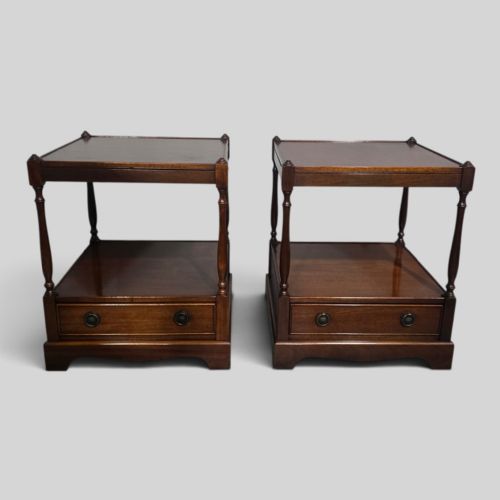
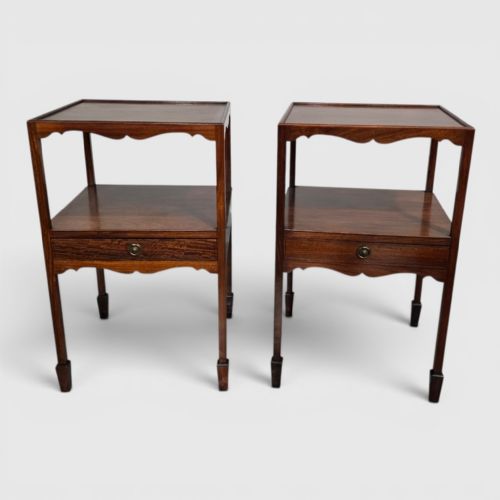
Pair Wooden Side Tables
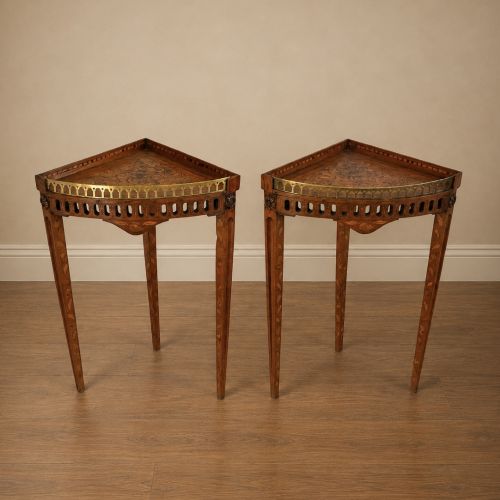
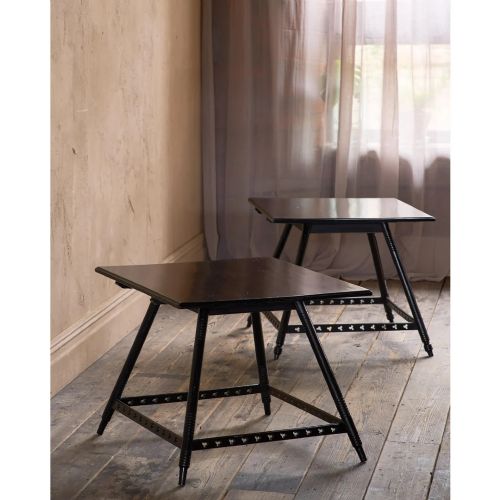
These pair wooden side tables bring matched symmetry to a room, offering practical surface space alongside seating or beds.
Pair Wooden Side Tables
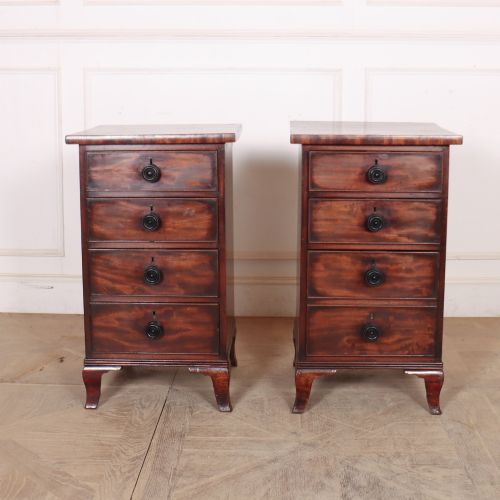
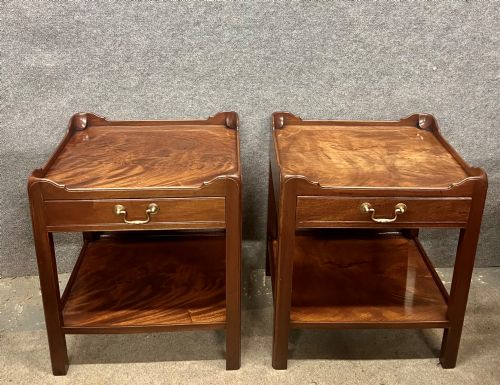
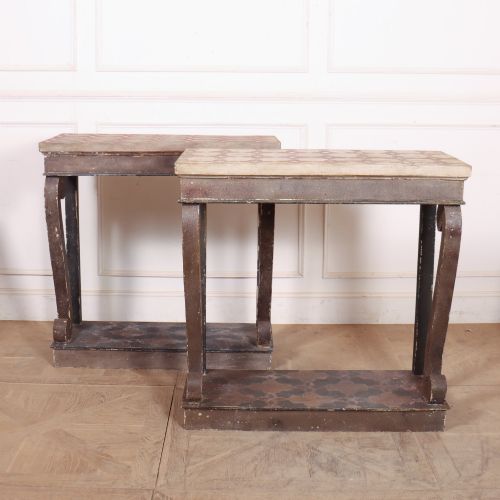
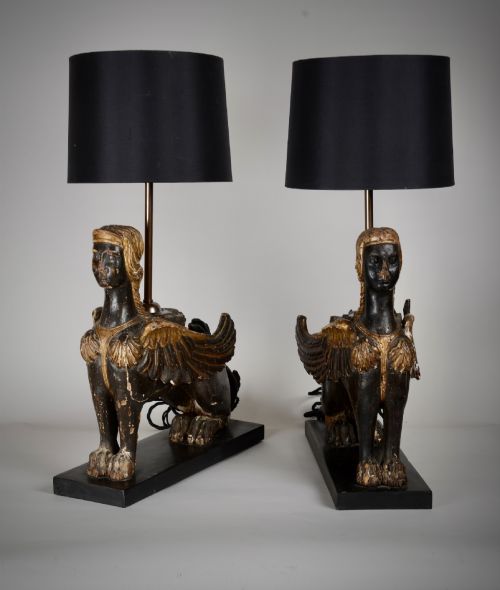
When searching for pair wooden side tables, buyers encounter a diverse range of forms, including side tables, bedside cabinets, lamp tables, and console tables. These pieces serve both utilitarian and decorative roles in traditional interiors.
The selection spans periods from the eighteenth century through to the 1930s, encompassing Edwardian examples, Victorian items, and Georgian style revivals. Construction materials vary widely, incorporating mahogany, walnut, oak, hardwood, and painted finishes.
Materials and construction
Cabinet makers utilised solid timbers such as mahogany, oak, and walnut, frequently pairing them with burr wood veneers and marquetry inlay. Some pieces incorporate structural elements of brass, marble, and cast iron.
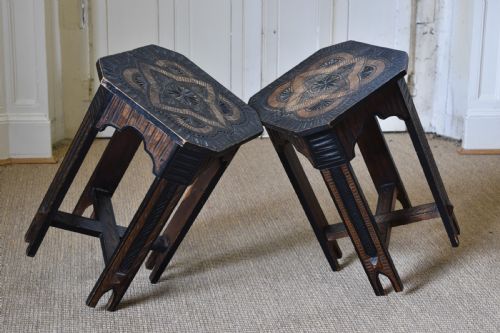
Surface ornamentation ranges from chip carving and hand-carved details to painted finishes and inset marble tops. Joinery methods reflect the period of manufacture, from jointed nineteenth-century construction to early twentieth-century assembly.
Distinguishing quality
Quality rests upon the selection of timber, where dense grain patterns in mahogany, walnut, and burr wood elevate the visual presence of the furniture. The crispness of carved details and the precision of marquetry inlay distinguish finer work from standard production.
Integration of secondary materials like brass galleries and marble tops signals higher workshop standards. Originality of finish and surface patina also govern the standing of each piece.
Liberty & Co·Archibald Knox
The Pair Wooden Side Tables Glossary
- Marquetry
- Decorative veneer work arranged in geometric or pictorial patterns on the surface of the wood. This technique requires considerable skill from the maker to fit contrasting timber slices together.
- Gallery
- A raised decorative border, often made of pierced brass, fitted around the edge of a table top to prevent objects from sliding off. It adds a refined metallic accent to timber surfaces.
- Console table
- A table designed to stand against a wall, sometimes supported by wall brackets or legs. These pieces function well in hallways and reception rooms.
- Lamp table
- A compact occasional table built specifically to hold lighting. They appear frequently in matching pairs beside seating arrangements.
Pair Wooden Side Tables: Frequently Asked Questions
How do I match pair wooden side tables with existing decor?
Matching these tables involves considering the timber tone and period style of your current furniture. Mahogany and walnut pieces suit traditional spaces, while painted or oak variations fit lighter rooms.
Positioning them symmetrically beside a bed or sofa creates visual balance. Their compact footprints allow them to function effectively in smaller spaces without crowding the room.
Were these tables originally made as pairs?
Many examples were produced together in workshops to satisfy demand for symmetrical interior schemes. Some listings represent matched sets assembled later based on shared timber, height, and design.
Examining the underside, construction methods, and timber ageing helps determine whether pieces originated from the same workshop bench.
What is the difference between a side table and a lamp table?
Side tables generally offer a broader surface intended for general placement beside chairs or along walls. Lamp tables are typically smaller and specifically proportioned to support lighting fixtures.
Both forms overlap significantly in historical catalogues, often sharing similar heights and leg configurations.
How do I care for antique wooden side tables?
Maintenance requires keeping timber away from direct heat sources and strong sunlight to prevent veneer cracking and fading. Regular dusting with a dry, soft cloth preserves the polished surface.
Application of appropriate wax polish maintains the moisture and natural sheen of woods like mahogany, oak, and walnut over time.