


Pair Vintage Table Lights
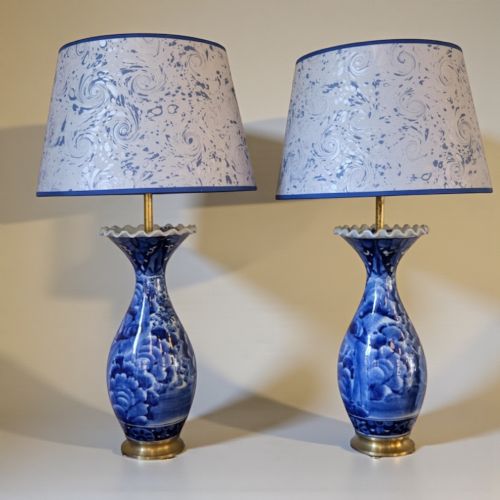
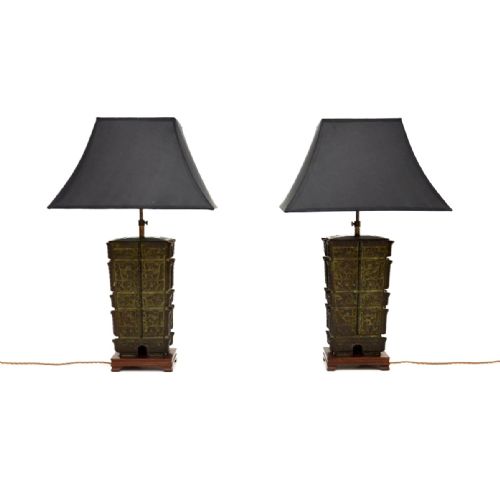
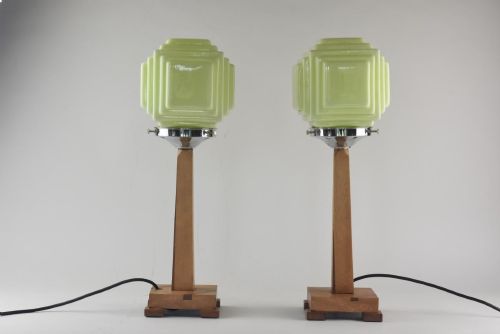
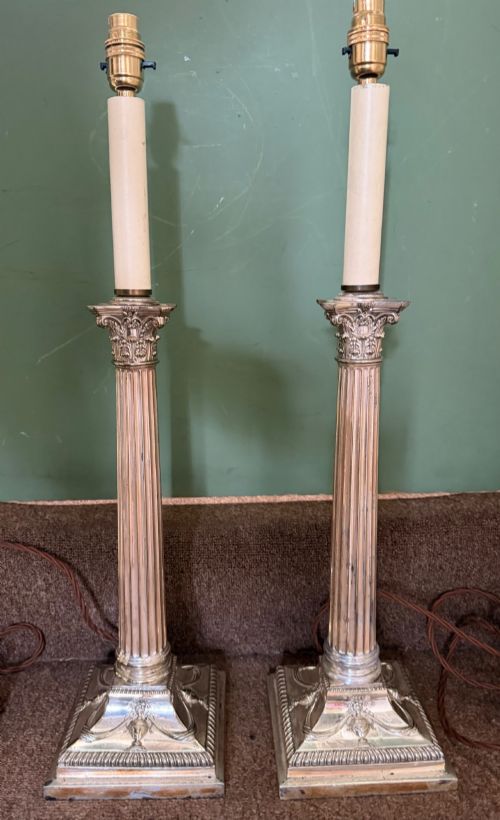
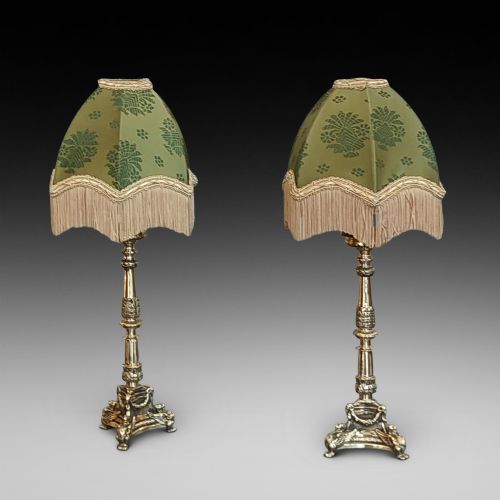
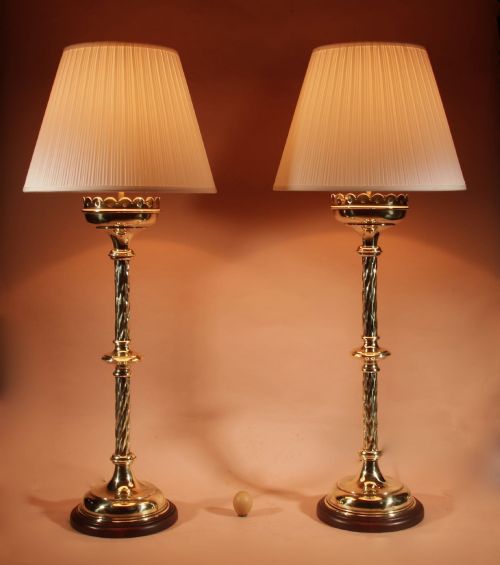
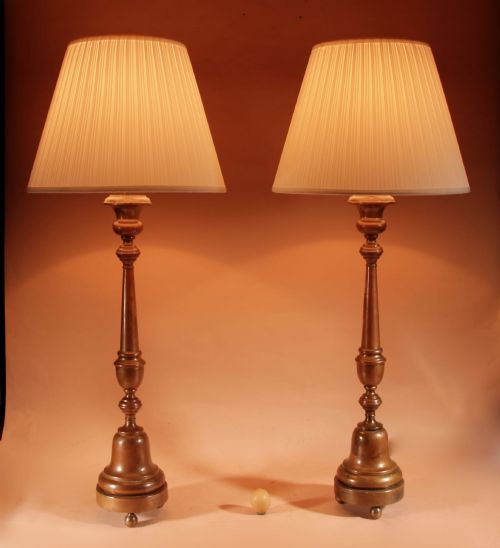
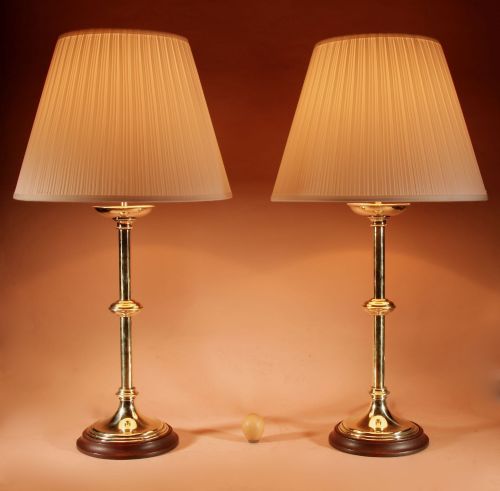
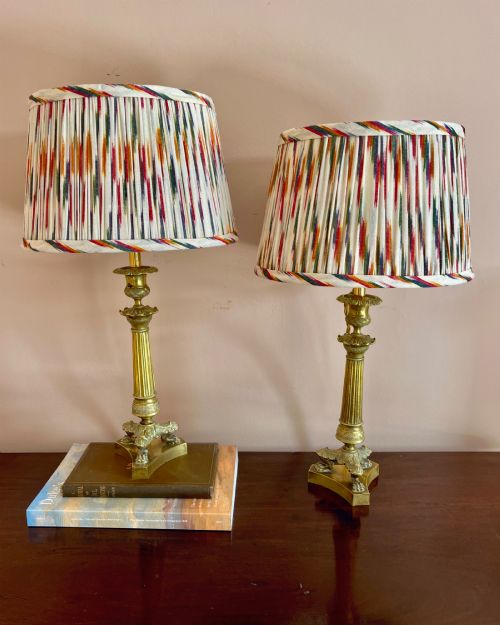
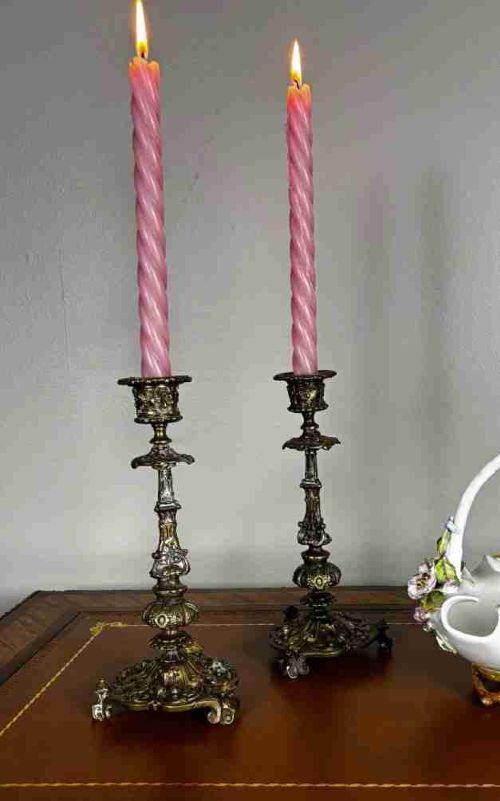
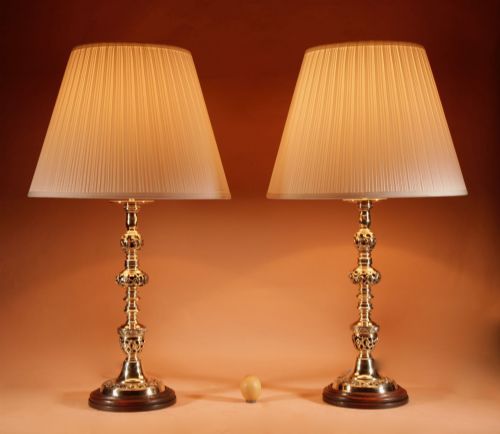
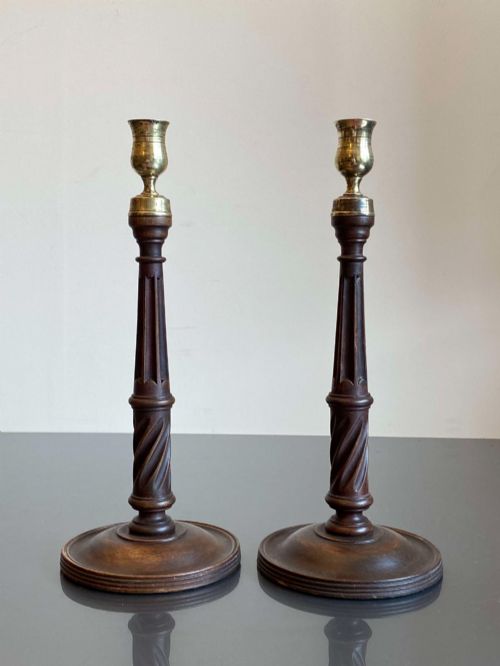
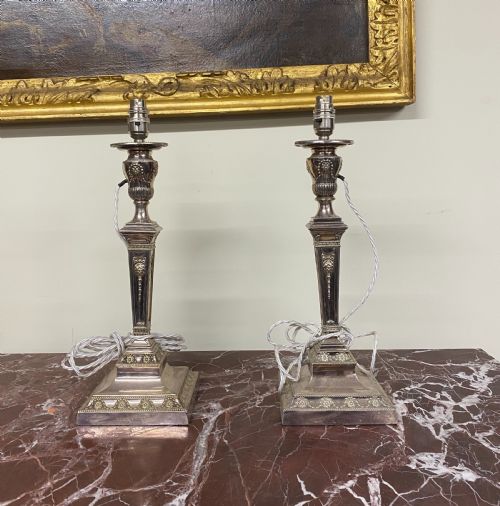
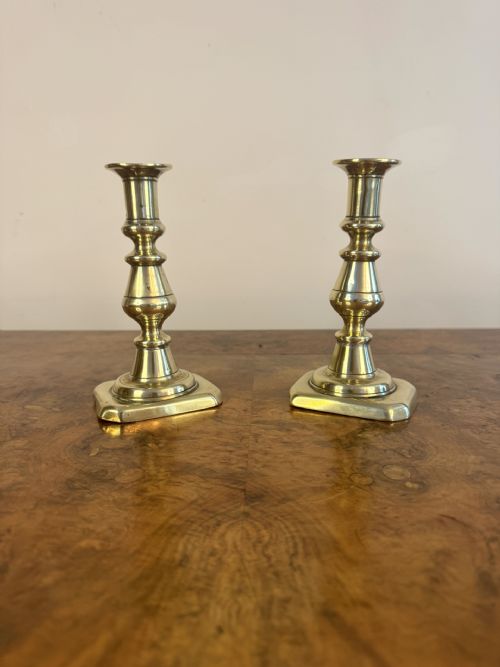
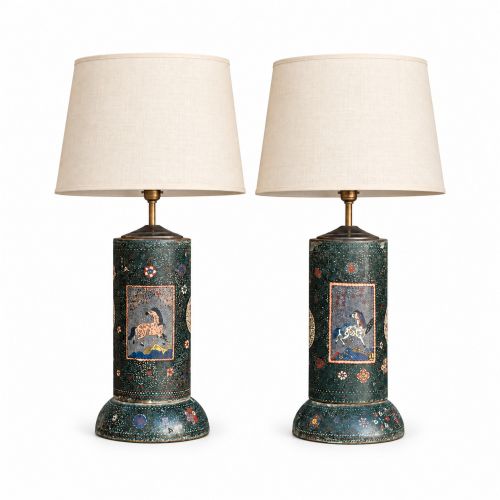
These pair vintage table lights bring symmetry and period character to a room, ranging from converted brass candlesticks to porcelain vases.
Pair Vintage Table Lights
When you search for pair vintage table lights, you encounter a diverse selection of matched dual illumination pieces spanning multiple centuries and stylistic traditions. The listings range from sturdy nineteenth-century brass candlesticks adapted for electric bulbs to elaborate twentieth-century porcelain and ceramic lamp bases.
The most common formats on this page include classical column designs in brass, converted oil lamps with opaline shades, and decorative figural bronzes. Many items bridge the gap between antique lighting and functional room decor, originating from workshops in Britain, France, and Asia.
How they were made
Makers utilised cast brass, bronze, and ormolu for metal components, often combining these structural metals with carved onyx, marble, or alabaster shafts. Surface treatments involve traditional gilding, silver plating, and intricate champleve enamel detailing.
Ceramic and porcelain elements, such as Chinese export vases and Paris porcelain bodies, are frequently mounted on tailored metal bases. Shade components integrate hand-painted fabrics, silk, and opaline glass to diffuse the light.
Pair Vintage Table Lights Retail Price Guide 2026
Typical asking prices for pair vintage table lights among the pieces listed under this phrase on Sellingantiques today, from the lower quarter to the upper quarter. They describe what is for sale here now, not the wider market.
Neoclassical and Chinoiserie styles dominate the decorative lighting listings across multiple decades.
What varies in quality
The distinction between standard utility lighting and superior decorative pieces lies in the crispness of the casting and the depth of the chased relief work on bronze or brass mounts. Finer examples display meticulous hand-finishing on figural elements, such as putti or cherubs, rather than soft, mass-produced contours.
Material selection and integrity significantly influence the character of the object, with genuine hardstones like marble and onyx outperforming synthetic substitutes. The harmony of the matching pair, including consistent patination and balanced proportions, defines the upper tier of the range.
W.A.S. Benson·E Rousseau
The Pair Vintage Table Lights Glossary
- Ormolu
- Gilded bronze, where a finely ground high-carat gold amalgam is applied to a cast bronze object and heated to drive off the mercury. This technique creates a rich, durable surface finish common on French decorative items.
- Champleve
- An enamelling technique where troughs or cells are carved into the surface of a metal object and filled with vitreous enamel powder before firing. It creates vibrant patterns on nineteenth-century brass and bronze lamp bodies.
- Garniture set
- A matched group of decorative objects, typically consisting of a central clock flanked by matching candelabras or urns. They are designed to sit together on a mantelpiece or sideboard.
- Corinthian column
- A classical architectural column style featuring an ornate capital decorated with acanthus leaves. It is frequently adapted into nineteenth-century and Edwardian brass table lighting.
- Opaline glass
- A pale, translucent glass popular in Victorian and Edwardian lighting. It softens light output while adding a milky, opaque aesthetic to shades and chimneys.
Pair Vintage Table Lights: Frequently Asked Questions
Are these lamps wired for modern use?
Most antique and vintage lighting on the market has been re-wired at some point in its history to meet contemporary safety standards. Buyers should inspect the flex and plug, and consult a qualified electrician if rewiring is necessary.
Original internal wiring is rarely suitable for continuous daily use in modern homes. Updating the electrical components preserves the decorative housing while ensuring safe domestic operation.
How do I match lamp shades?
Selecting shades requires balancing the visual weight of the base with appropriate proportions in fabric or glass. Neutral silks and linens complement ornate ceramic and bronze bases without causing distraction.
Consider the height and mounting ring style of the lamp holder when choosing fitter types. Clip-on and spider fitter shades each require specific hardware to sit securely on vintage fittings.
How do I clean antique brass bases?
Dusting with a soft, dry cloth prevents the accumulation of grime that can dull metallic finishes over time. Avoid harsh chemical polishes that strip away the historical patination accumulated over decades.
Lacquered brass requires minimal intervention beyond gentle wiping with a damp cloth. Unlacquered surfaces develop a natural oxidation that many collectors prefer to leave intact.
How can I tell a true pair apart?
True pairs exhibit identical casting moulds, matching dimensions, and consistent wear patterns developed together over time. Minor hand-finished discrepancies often confirm genuine nineteenth-century manufacturing methods.
Assembled pairs may feature subtle differences in weight, colour saturation, or base diameter. Inspecting the underside and mounting screws helps identify whether two individual pieces were manufactured concurrently.