

Pair Vintage Candle Holders
When you search for pair vintage candle holders, you meet items that bring period weight to a dining table.
Pair Vintage Candle Holders
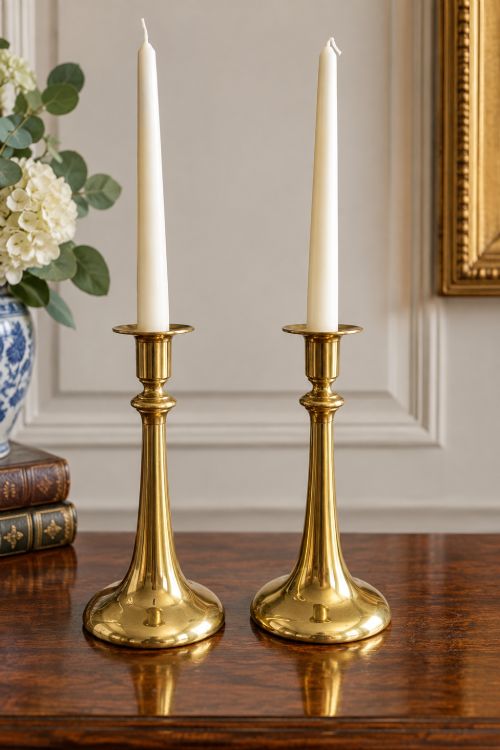
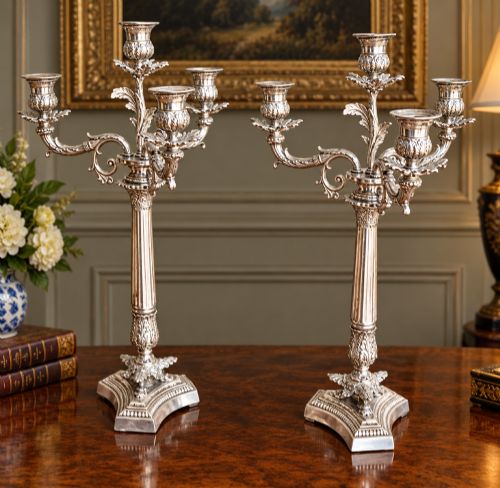
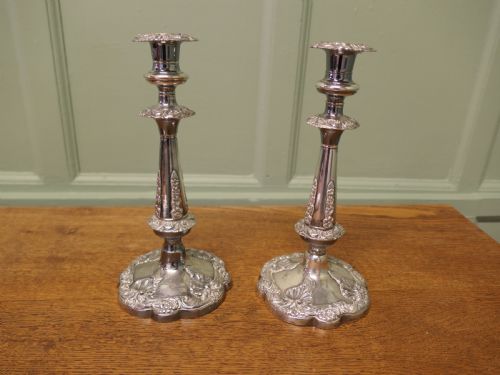
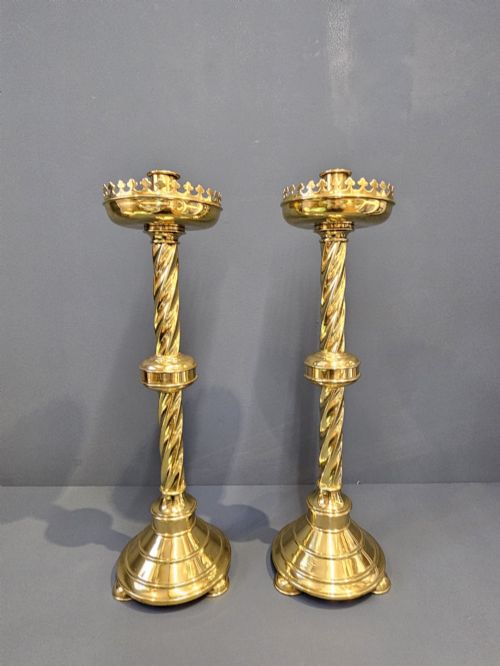
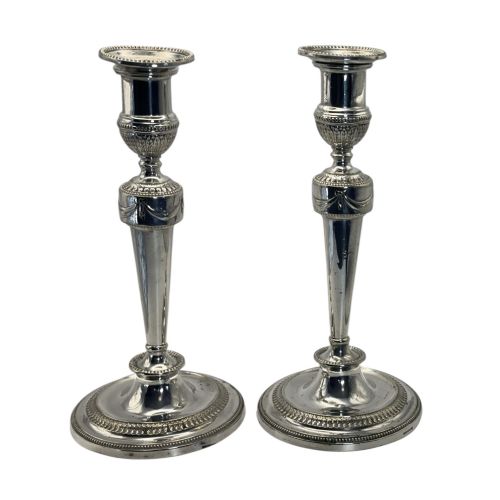
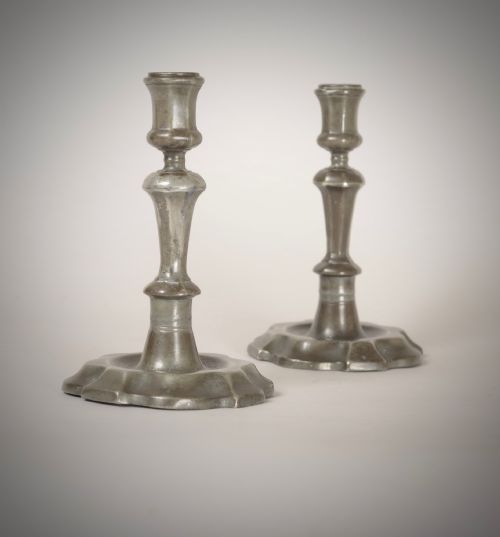
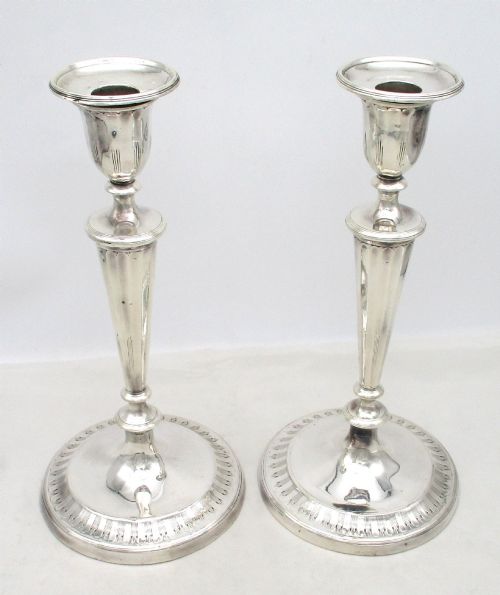
A pair vintage candle holders search yields an array of lighting forms, with brass and silver plated candlesticks dominating the selection. These pieces stem from various eras, including the Georgian, Victorian, and Edwardian periods, alongside later twentieth century iterations.
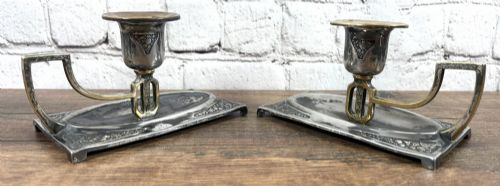
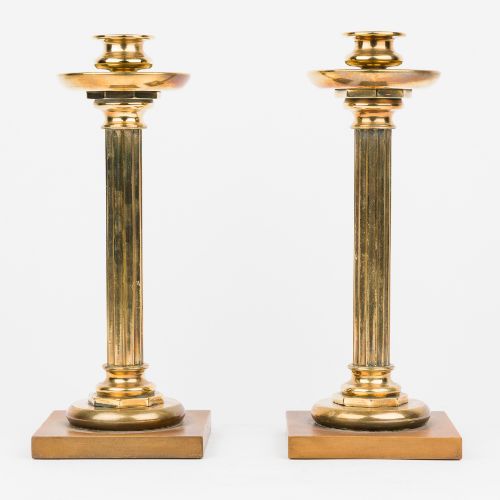
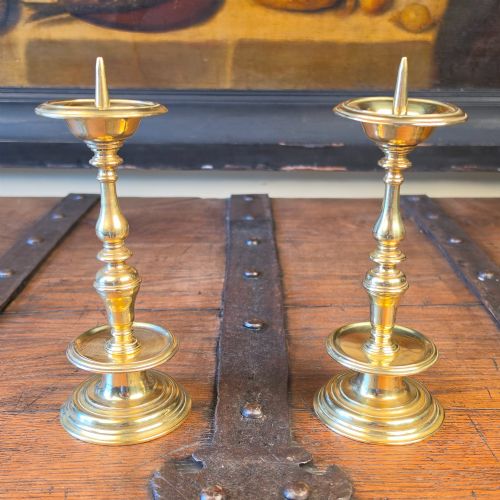
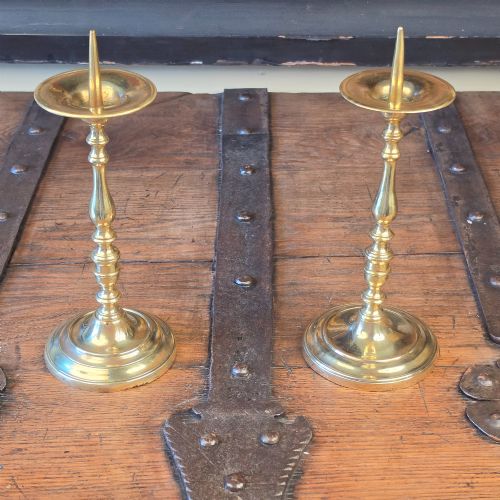
The objects take diverse shapes, ranging from tall church candlesticks and chambersticks to multi branch candelabras and wall sconces. Brass examples often display traditional petal bases or seamed construction, whilst silver plated and sterling silver variants show classical column designs.
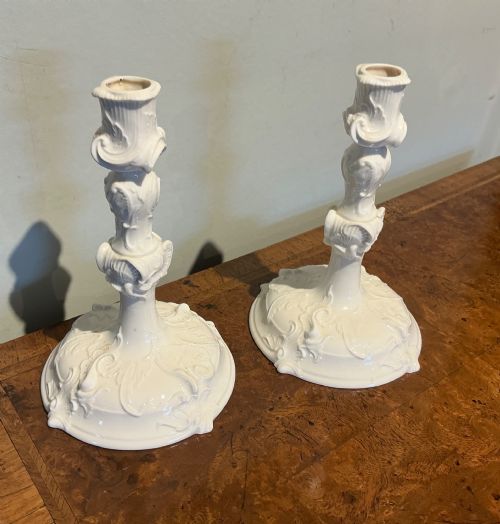
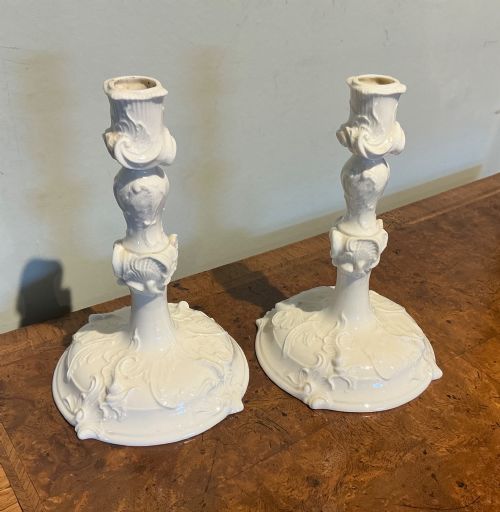
Buyers also encounter decorative glassware, gilt bronze, and copper items originating from distinct regional workshops. Selecting a matching pair ensures symmetry on a mantelpiece or sideboard, maintaining the balanced aesthetic intended by the original makers.
Materials and construction methods
Metals form the foundation of these pieces, with cast and seamed brass utilised extensively for durability and weight. Silversmiths applied silver plate or sterling silver over base metals or filled cores to achieve a polished finish without prohibitive weight.
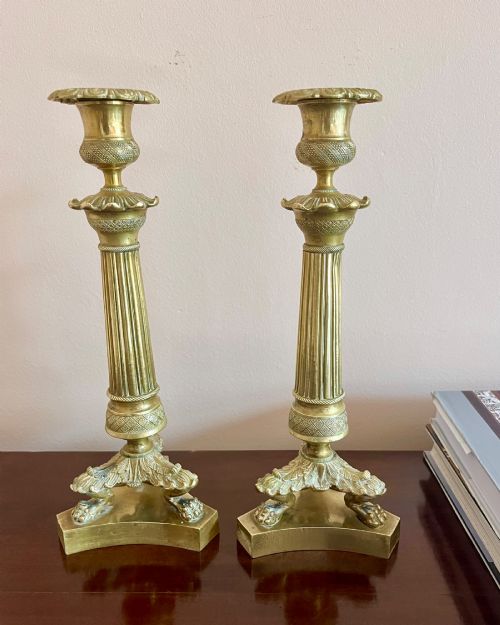
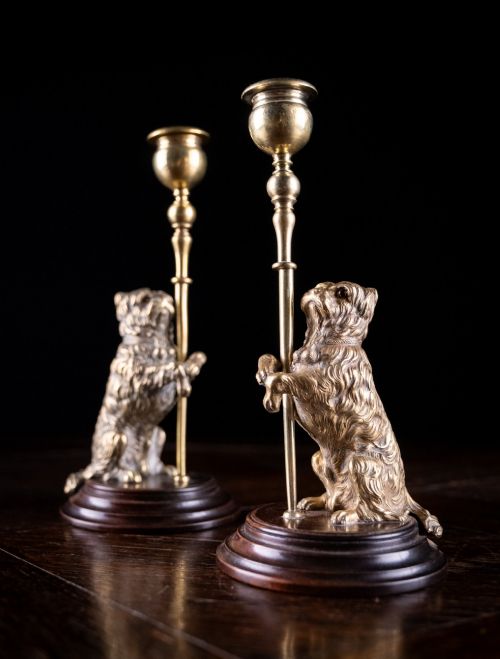
Casting techniques allowed workshops to produce intricate ornamentation, such as neoclassical columns, rococo curves, and figural motifs like dolphins or terrier dogs. Glass components underwent cutting and moulding processes to create table lustres and hurricane lamps that refracted light effectively.
Listings feature items spanning the eighteenth to the twentieth centuries, utilising brass, silver plate, and glass.
Distinctions in standard and execution
The level of detail in chased or cast ornamentation separates standard domestic lighting from ambitious exhibition pieces. Crisp definition in motifs such as acanthus leaves or fluting indicates superior craftsmanship and careful tooling.
Substantial metal gauge and balanced proportions contribute to the structural integrity of a pair. Heavier castings sit securely and resist distortion, whilst precise assembly ensures components align symmetrically without visible joins.
Mappin & Webb·Nymphenburg·Birks·Garrard & Co.
The Pair Vintage Candle Holders Glossary
- Candlestick
- A portable device designed to hold a single candle in a socket or upon a spike. These items usually feature a base, a stem, and a nozzle.
- Candelabra
- A branched lighting fixture that supports multiple candles simultaneously from a single central stem. They often provide greater illumination and decorative presence than single sticks.
- Chamberstick
- A low candlestick equipped with a pan to catch dripping wax and a loop handle for carrying from room to room. They were common in bedrooms before electric lighting.
- Pricket
- A sharp metal spike upon which a large candle is impaled, rather than placed inside a socket. This style appears frequently in ecclesiastical or continental lighting designs.
- Table lustre
- An ornamental glass or ceramic vase hung with cut glass prisms that sparkle when lit by candles. They gained popularity during the Victorian era for formal display.
Pair Vintage Candle Holders: Frequently Asked Questions
How do I clean tarnished brass holders?
Apply a mild brass cleaner with a soft cloth to remove oxidation without stripping the underlying metal. Gentle buffing preserves the historical patina that accumulates over decades of use.
Avoid abrasive scouring pads that scratch the surface and diminish the definition of cast details. Rinse thoroughly and dry with a clean cloth to prevent spotting.
What is the difference between plated and sterling silver?
Sterling silver consists of solid precious metal throughout, usually marked with assay office stamps and purity standards. Silver plated items feature a thin layer of silver bonded over a base metal such as copper or brass.
Look for hallmarks on sterling pieces to confirm composition and origin. Plated items often show base metal coming through on high points where polishing occurred over generations.
How were chambersticks used historically?
Households utilised chambersticks to illuminate hallways and bedchambers during evening hours before gas or electric lighting. The saucer base collected molten wax while individuals walked through draughty corridors.
The attached socket often included an ejector mechanism to push out remaining stub ends cleanly. Servants polished these items daily ready for evening use.