

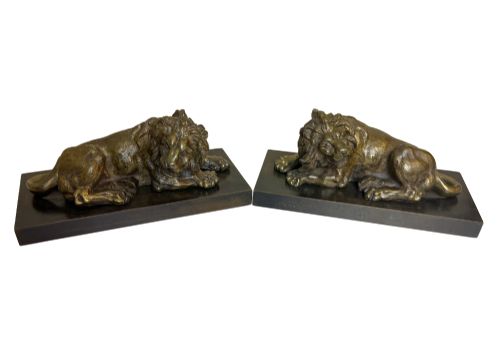


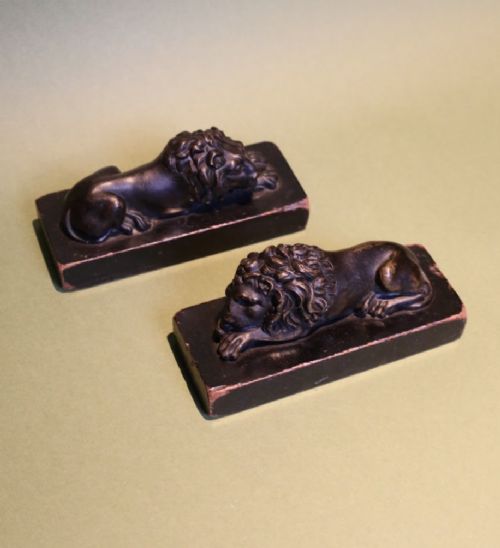


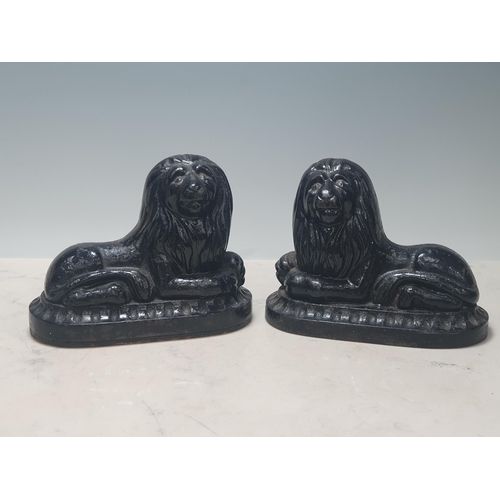


Pair Recumbent Lion Statues
Pair recumbent lion statues are commanding figures of repose that anchor a room or garden with neoclassical dignity.
Pair Recumbent Lion Statues
When you search for pair recumbent lion statues, you encounter guardian figures modeled in resting poses across a range of historical periods and materials. These sculptures draw heavily upon classical antiquity and the Grand Tour tradition, echoing famous monuments such as the Canova lions.
You meet these pieces in diverse forms, from small cabinet bookends and decorative statuettes to substantial terracotta and stone garden ornaments meant for gateposts or walls. The nineteenth century yields many of the examples seen here, spanning Victorian Staffordshire pottery, cast iron, and bronze.
The assortment on this page reflects both indoor decorative items and robust outdoor masonry. Terracotta, marble, and reconstituted stone versions dominate the larger garden formats, whilst bronze, brass, and ceramic serve smaller interior decorative roles.
How they were made
Foundry casting accounts for the metal examples in this selection, utilising bronze, brass, cast iron, and patinated metal to capture muscular definition and smooth resting contours. Makers often applied dark patination or black paint to enhance the sculptural depth of these metal castings.
Moulding and kiln-firing define the ceramic and terracotta pieces, where clay takes shape as robust garden lions or glazed pottery figures. Artisans also worked with carved marble, serpentine, and durable reconstituted stone for architectural placement on gates and walls.
Pair Recumbent Lion Statues Retail Price Guide 2026
Typical asking prices for pair recumbent lion statues among the pieces listed under this phrase on Sellingantiques today, from the lower quarter to the upper quarter. They describe what is for sale here now, not the wider market.
Listings span the nineteenth and early twentieth centuries, featuring materials from terracotta and bronze to serpentine and salt-glazed pottery.
What varies in quality
The fidelity of the sculptural casting or carving separates simpler decorative objects from masterworks of anatomical precision. Pieces that closely follow classical prototypes like the Canova monuments display sharper muscular tension and refined facial detailing.
Scale and material integrity dictate the presence and visual impact of these statues, ranging from modest ceramic bookends to monumental terracotta figures. The depth of the glaze on pottery, the weight of the metal, and the crispness of the stonework all determine the distinction of a pair.
Hurlford Kilmarnock·Canova
The Pair Recumbent Lion Statues Glossary
- Recumbent
- Reclining or resting with the head raised. This traditional pose conveys watchful repose rather than active aggression.
- Grand Tour
- A cultural journey undertaken by wealthy young Europeans in the eighteenth and nineteenth centuries. Travellers acquired small bronzes and sculptures of classical monuments as souvenirs.
- Terracotta
- Fired clay used for sculptural and architectural works. It allows for expressive modelling and weathers distinctively in outdoor settings.
- Serpentine
- A dark green or mottled mineral resembling jade, used by Italian carvers. It provides a dense, smooth medium for small decorative sculptures.
- Canova Lions
- The famous sculpted lions designed by Antonio Canova for the tomb of Pope Clement XIII in Rome. Numerous nineteenth-century reductions and models replicate these celebrated guardians.
Pair Recumbent Lion Statues: Frequently Asked Questions
Where should I place these lions?
Large terracotta, stone, and cast iron pairs suit outdoor placement on gate piers, porch steps, or garden walls where they serve as traditional architectural guardians.
Smaller bronze, brass, and ceramic examples function well indoors as mantel ornaments, desk accessories, or heavy bookends on a library shelf.
How do I care for terracotta statues?
Terracotta benefits from gentle cleaning with water and a soft brush to remove accumulated dirt without damaging the porous surface.
Protect unglazed earthenware from severe frost during winter months to prevent cracking and structural degradation.
What is a Grand Tour lion?
Grand Tour lions are nineteenth-century decorative reductions modelled after famous Italian sculptures encountered by travellers abroad. These pieces brought classical European motifs into domestic British interiors.
They appear in various mediums such as bronze, serpentine, and marble, prized for their historical associations and refined craftsmanship.
How do I date an iron lion?
Nineteenth-century cast iron figures exhibit distinct surface textures, heavier metal composition, and often traces of early black paint or rust patination. Examining the casting seams and bolt fixings helps determine the period of production.
Comparison with documented Victorian foundry styles provides further context for the casting date.