


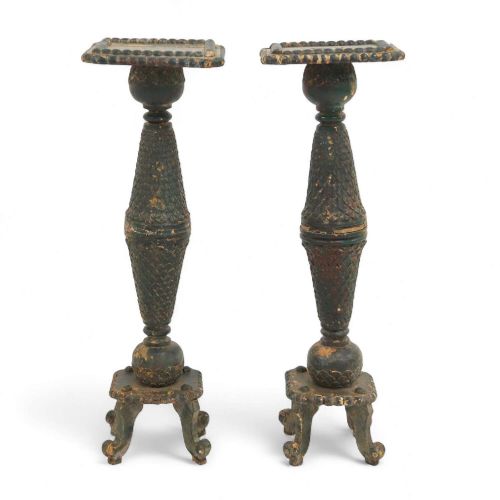
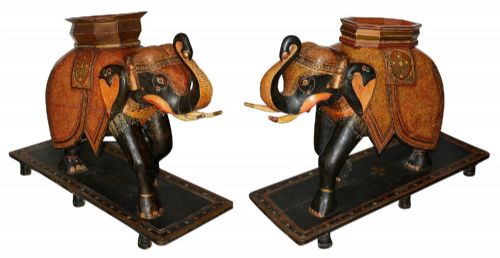


Pair Painted Pedestal Stands
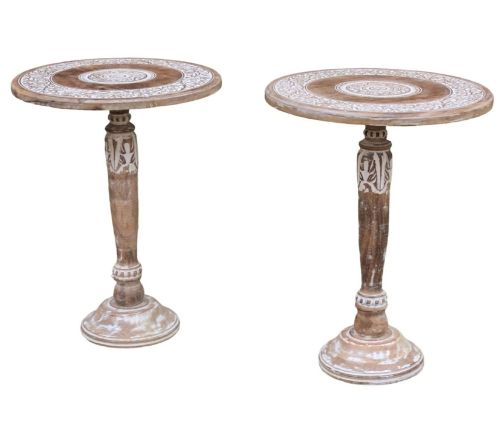
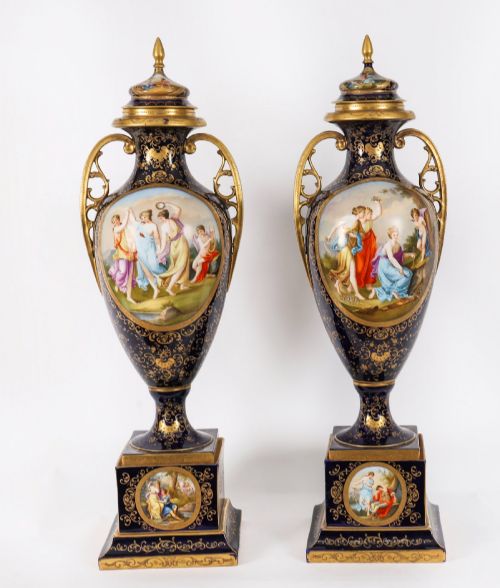
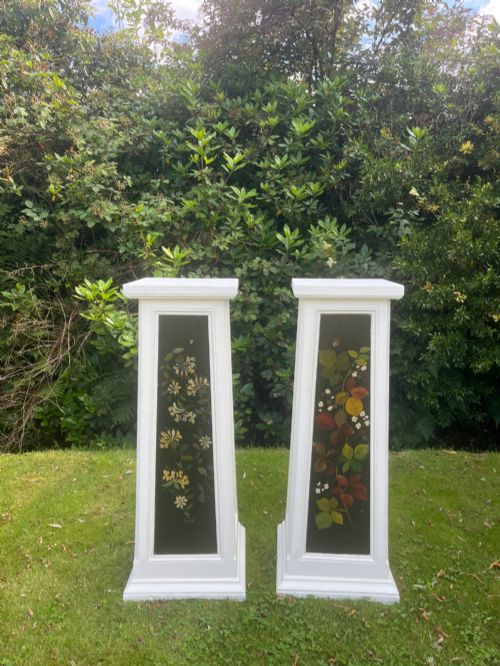
These pair painted pedestal stands elevate plants, urns and sculptures with distinct character, shaped through various periods and decorative traditions.
Pair Painted Pedestal Stands
When you search for pair painted pedestal stands, you encounter a diverse collection of elevated supports designed to display plants, urns, and sculptures. The selection spans the nineteenth century through the early twentieth century, showing influences from Victorian, Neoclassical Revival, and Gothic styles.
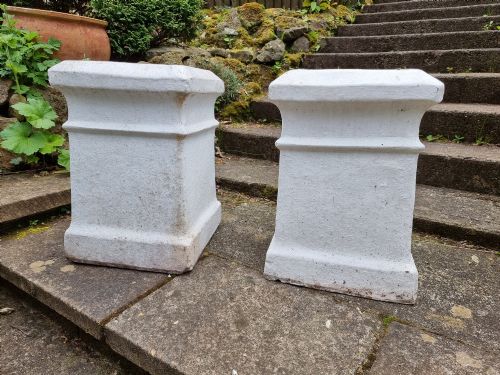
You meet various forms on this page, including plant stands, garden pedestals, torchières, and occasional tables. Materials range from painted wood and carved timber to terracotta, cast iron, and plaster, reflecting both indoor household display and garden use.
How they were made
Makers utilised wood, cast iron, terracotta, and plaster as primary structural materials, often applying gesso, pigment, and lacquer to build decorated surfaces. Carved wood and cast iron provide sturdy column and urn forms, whilst plaster and clay offer moulded detail.
Surfaces receive careful attention through original paint, lacquer, and polychrome pigments. Artisans combined traditional carpentry, carving, and metal casting to create durable display columns that hold significant weight.
Pair Painted Pedestal Stands Retail Price Guide 2026
Typical asking prices for pair painted pedestal stands among the pieces listed under this phrase on Sellingantiques today, from the lower quarter to the upper quarter. They describe what is for sale here now, not the wider market.
Listings feature items from the nineteenth and early twentieth centuries, incorporating materials such as cast iron, terracotta, carved wood, and painted plaster.
What varies in quality
Quality rests in the crispness of the carving, the integrity of the structural materials, and the survival of original painted or lacquered surfaces. Finer examples display deliberate proportions and sophisticated decorative motifs that reflect their specific stylistic period.
The distinction between standard utility items and superior work lies in the hand-finished details of the paint and the weight of the cast iron or carved timber. Original surface finishes preserved across decades elevate the visual authority of a piece.
Dunfermline Clay Company·Coalbrookdale·Marguerite
The Pair Painted Pedestal Stands Glossary
- Torchiere
- A tall ornamental stand or floor candelabrum designed to hold a light source or decorative object. These slender supports frequently feature painted or carved decoration.
- Gesso
- A plaster mix applied to wood surfaces to create a smooth base for painting or gilding. This mixture allows artisans to carve fine relief details before applying pigment.
- Plinth
- The heavy base or square slab supporting a column, statue, or pedestal. It provides essential stability for tall display stands.
- Neoclassical
- A style drawing inspiration from the classical art and architecture of ancient Greece and Rome. Pieces in this manner often display symmetrical balance and restrained ornamentation.
Pair Painted Pedestal Stands: Frequently Asked Questions
Where should I place these stands?
These pieces suit corners, entryways, and garden rooms where vertical height enhances a room layout. They provide a stable platform for heavy items like bronze figures, large planters, and decorative urns.
Ensure the placement area has adequate floor stability, particularly for cast iron or stone examples. Keeping them clear of heavy foot traffic protects delicate painted and lacquered finishes.
Can I use them outdoors?
Cast iron and terracotta variations generally withstand sheltered outdoor conditions, while wood and plaster pieces remain strictly for indoor display. Weather exposure affects painted surfaces differently depending on the original material.
Check the base material carefully before placing any stand in a garden or patio environment. Moisture causes wooden and gesso surfaces to deteriorate quickly.
How do I clean painted surfaces?
Dust surfaces regularly with a soft, dry cloth to prevent dirt accumulation on painted and lacquered details. Avoid harsh chemical cleaners or excess water that might lift original pigment.
Test any cleaning method on an unnoticeable area first. Preserving the integrity of the historic paint layer takes precedence over achieving a polished shine.
How do I date these items?
Dating relies on material composition, tool marks, and stylistic indicators associated with nineteenth and early twentieth-century manufacturing methods. Examining the wear patterns on the base reveals clues about age and use.
Comparing decorative motifs to known period styles helps narrow down the decade of production. Documentation or visible maker stamps provide definitive chronological markers.