


Pair of Silver Pots
A pair of silver pots brings functional elegance to the dining table, encompassing everything from diminutive pepper casters to chocolate and coffee vessels shaped across the Victorian and Edwardian decades.
Pair of Silver Pots
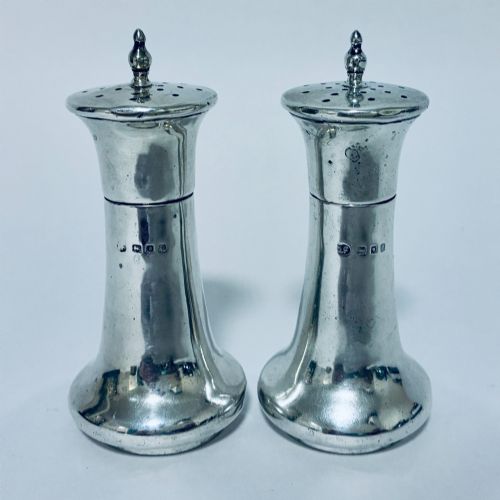
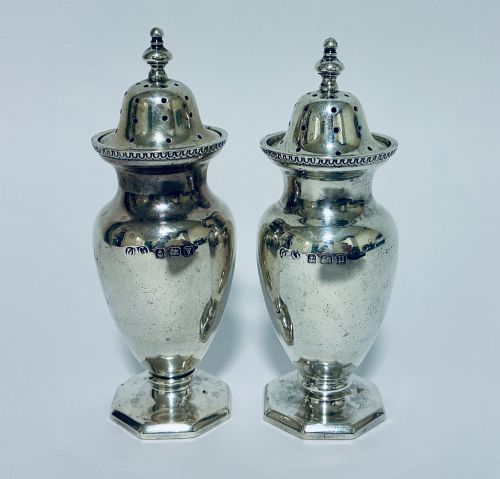
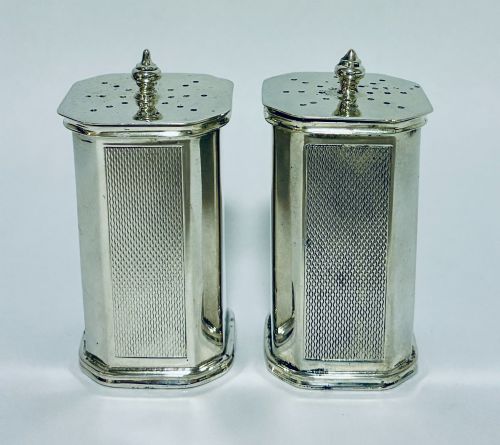
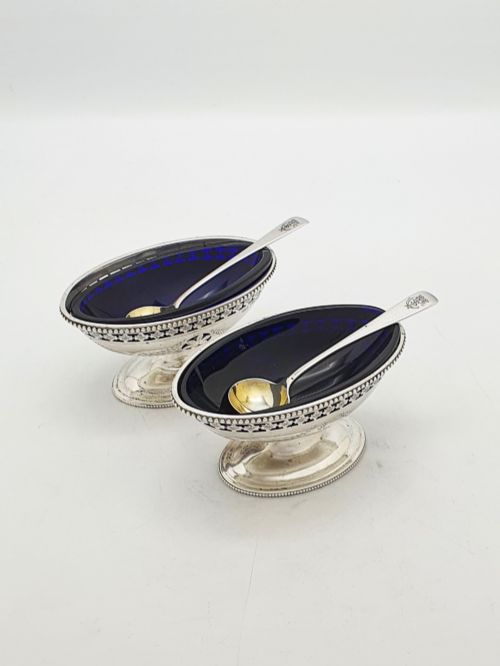
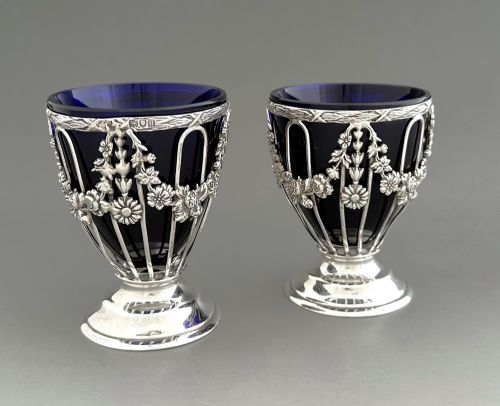
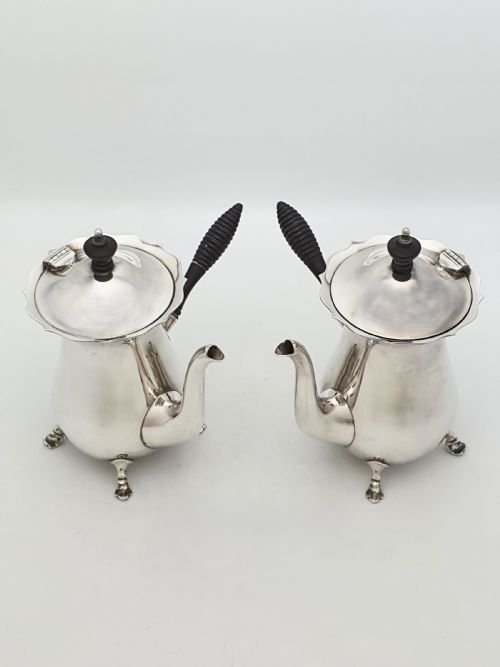
A search for a pair of silver pots uncovers a diverse assortment of dual table vessels spanning salt cellars, mustard pots, pepper casters, and larger drinking pots designed for coffee or chocolate. The pieces encountered most frequently on this page originate from the Victorian and Edwardian eras, reflecting the formal dining habits of those periods.
Beyond standard condiment containers, the category extends to novelty forms modelled as birds, chicks, or figures alongside dressing table jars and cruet sets. These matched pairs demonstrate how silversmiths combined utility with decorative charm for domestic settings.
Originating largely from British workshops spanning the Georgian to the George V periods, the selections incorporate distinct stylistic revivals alongside contemporary Arts and Crafts influences. Buyers select them for their matched symmetry and the tactile quality of precious metal on the dining table.
How they were made
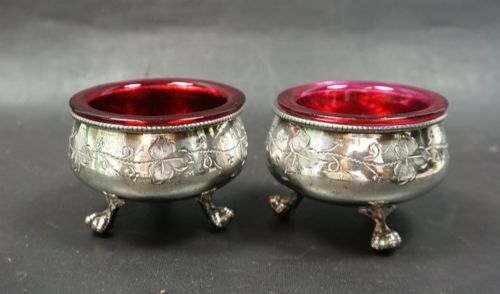
Silversmiths utilised sterling silver and silver plate as primary media, often combining the metalwork with contrasting interior liners of cobalt glass, cranberry glass, or fitted wooden elements such as ebony handles.
Techniques ranged from cast figural modelling and intricate wirework to pierced sheet construction and hand-hammered pewter surfaces. Makers integrated glass cutting and enamel work to complete vessels intended for daily domestic use.
Victorian diners seasoned their meals from silver dogs, champagne corks, and Mr Punch's dog Toby.
What varies in quality
Distinctions in quality rest upon the crispness of cast detail in figural or novelty pieces and the structural integrity of pierced metalwork. Superior examples retain matching liners and clear hallmarks that attest to the original maker and assay office.
The weight of the metal and the precision of the fit between lids, bodies, and bases separate standard utility items from masterwork commissions produced by distinguished silversmiths and retailers.
Sampson Mordan·Liberty & Co Tudric·Hukin & Heath·Mappin & Webb·Thomas Bradbury & Sons·Elizabeth Morley·Richard Comyns
The Pair of Silver Pots Glossary
- Salt cellar
- An open vessel or enclosed pot used to hold table salt before the invention of the spring-loaded shaker. They frequently require coloured glass liners to protect the metal from corrosion.
- Pepper caster
- A small tabletop shaker or perforated pot designed for dispensing ground pepper. Victorian examples often adopt novelty shapes such as animals or miniature figures.
- Mustard pot
- A covered pot intended for prepared mustard, usually supplied with a matching spoon and a glass insert. They appear frequently in silver and silver plate across the nineteenth and twentieth centuries.
- Cruet set
- A matched assembly of condiment pots and bottles held within a metal frame for table service. These sets integrate multiple jars for oil, vinegar, salt, and pepper.
- Hallmark
- An official stamp struck into precious metal indicating the standard of purity, the assay office, and the date letter of manufacture. These marks allow collectors to trace the exact provenance of a piece.
Pair of Silver Pots: Frequently Asked Questions
What were silver pots used for on the dining table?
These vessels held essential seasonings and liquids such as mustard, salt, pepper, chocolate, and coffee during formal meals. They provided both practical containment and decorative symmetry for the dining service.
Wealthy households utilised matched pairs to balance the table arrangement while serving guests efficiently across multiple courses.
How do I care for silver condiment pots?
Regular dusting and gentle washing in warm soapy water preserve the polished surface of sterling silver and silver plate. Avoid harsh abrasive cleaners that wear away fine hallmarks and delicate chasing.
Glass liners should be removed and washed separately to prevent moisture trapping against the metal interior.
How can I tell the period of a silver pot?
Assay office hallmarks and date letters stamped directly onto the metal provide the most reliable indication of age. Stylistic markers such as Edwardian wirework or Victorian figural casting also point to specific manufacturing decades.
Comparing the weight, construction methods, and materials like cobalt glass liners helps verify the historical context of the piece.
Are novelty silver pots functional or decorative?
Novelty pieces shaped as animals or characters served a practical function as condiment dispensers while adding humour to the table setting. Makers engineered removable heads or perforated caps to allow easy refilling and use.
Collectors today appreciate them equally for their playful sculptural qualities and their historical utility.