
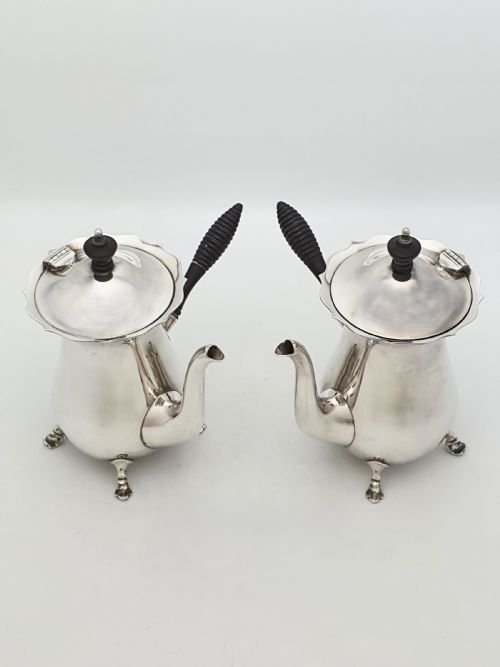


Antique Chocolate Pot
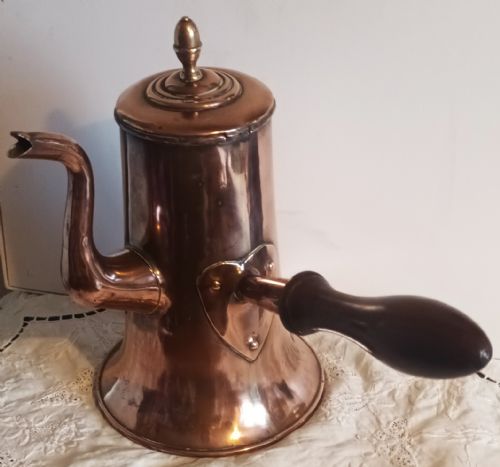
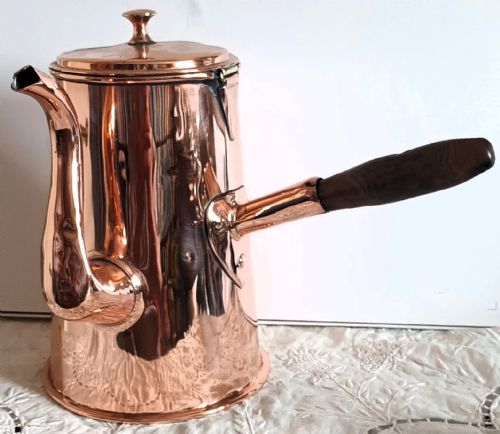
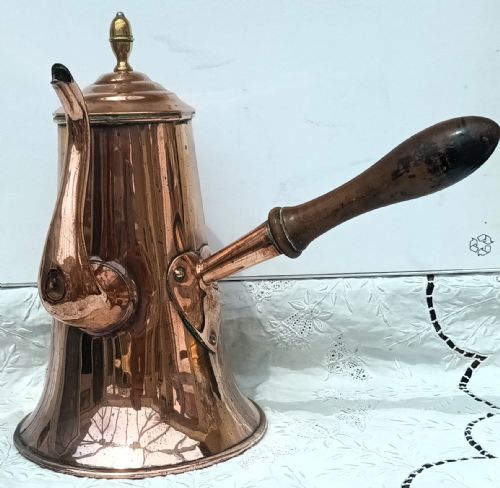
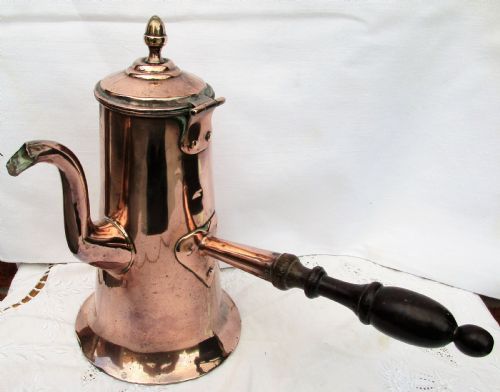
An antique chocolate pot is a vessel for preparing and serving hot chocolate, sought after for its distinct side-handled design and historic metalwork.
Antique Chocolate Pot
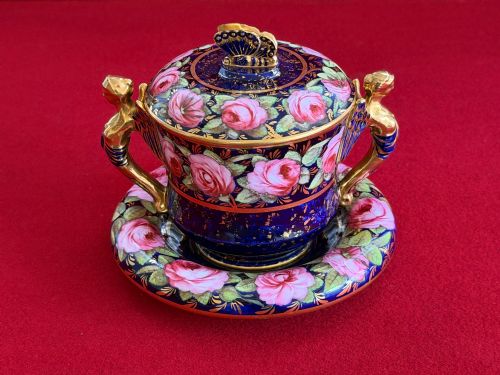
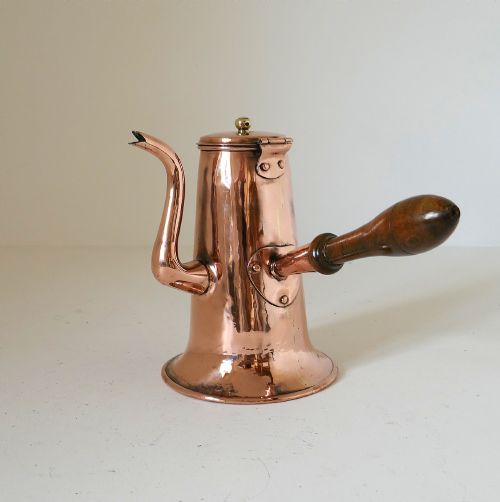
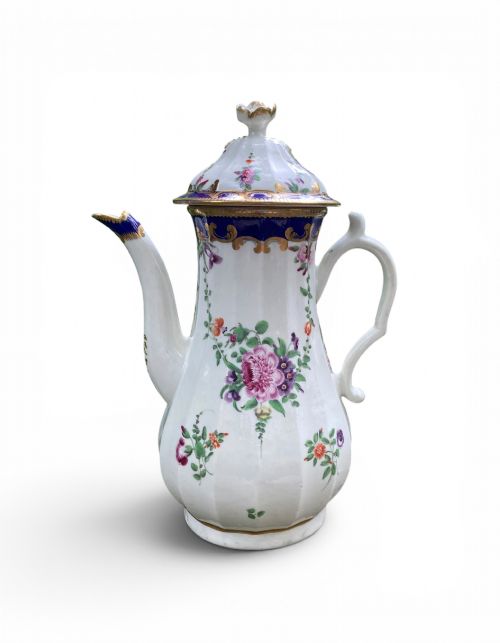
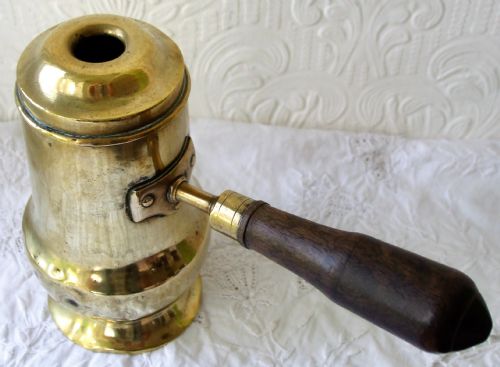
An antique chocolate pot is a specialised vessel designed for the preparation and service of hot chocolate, appearing across several centuries from the seventeen hundreds through the twentieth century. These pieces emerge in materials such as copper, brass, silver, and porcelain, often taking forms with characteristic side-handles to facilitate the whisking and pouring of the thick beverage. Collectors searching for an antique chocolate pot encounter various regional influences, including English, French, and Dutch examples, alongside related tableware forms like cafe au lait pots and chocolate cups.
The selection ranges from early eighteenth-century silver side-handled pots to nineteenth-century copper and ceramic pieces, reflecting shifts in domestic dining habits. While many surviving pieces date from the Georgian, Regency, and Edwardian periods, occasional earlier specimens like George I silver examples appear alongside later twentieth-century ceramic wares. Buyers find both individual pots and matched pairs or sets, incorporating materials from ebony and gold leaf to enamel.
What varies in quality
The calibre of a piece rests upon the crispness of its hand-applied details, the integrity of its original metal thickness, and the balance of its form. Master silversmiths and metalworkers demonstrated superior skill in the clean execution of spouts, handles, and applied brass or silver motifs, avoiding heavy-handed repairs or replacement parts.
In ceramic specimens, quality shows in the fineness of the porcelain paste, the delicacy of the hand-painted enamel or Imari patterns, and the preservation of the original gilding. The presence of authentic maker marks or clear hallmarks adds a layer of distinction that separates standard production items from workshop masterpieces.
One historic archive entry pairs a copper chocolate pot with a side note quoting the maxim that no man is at all times wise.
William Soutter And Sons·Edward Power·Harrison Brothers And Howson
The Antique Chocolate Pot Glossary
- Side-handled
- A vessel design where the wooden or metal handle is positioned at a ninety-degree angle to the spout rather than opposite it, specifically intended for chocolate pots to allow swirling and frothing.
- Molinet
- A small wooden or metal whisk placed inside the chocolate pot and spun between the palms to mix the beverage.
- Imari
- A style of Japanese-inspired porcelain decoration featuring rich underglaze blue and iron red with added gold, seen on nineteenth-century cups.
- Hollowware
- A category of metal tableware that includes pots, jugs, kettles, and other three-dimensional vessels.
- Hallmark
- An official stamp applied to silver and gold items indicating the maker, assay office, and year of testing.
Antique Chocolate Pot: Frequently Asked Questions
What is an antique chocolate pot used for?
These vessels were historically used for melting and frothing thick chocolate drinks before serving them at the table.
They were designed with specific handle placements to accommodate the motion required to keep cocoa solids blended.
How do I distinguish a chocolate pot from a coffee pot?
Chocolate pots typically feature a side handle positioned at a right angle to the spout, rather than opposite it.
This distinct configuration allowed users to insert a stirring rod into the pot and twist it between their hands.
What materials were used for these pots?
Surviving examples are constructed from metals such as copper, brass, and solid silver, alongside fine porcelain.
Many metal pieces also incorporate wooden handles made from materials like ebony to protect the hand from heat.
How do I identify the period of a piece?
Dating relies on stylistic markers associated with periods like Georgian, Regency, and Edwardian, alongside physical characteristics.
Metal items often bear hallmarks or maker stamps, while porcelain pieces show period-specific paste and glaze traits.