


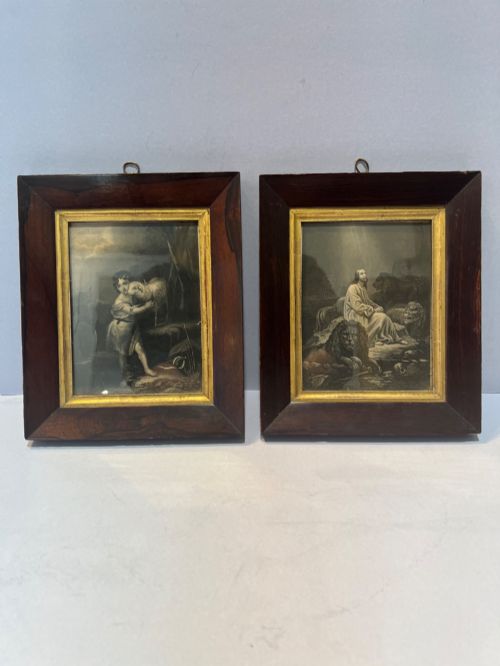


Pair of Portrait Prints
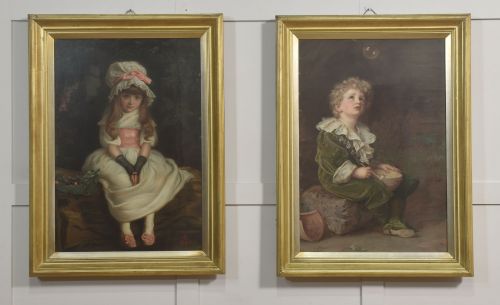
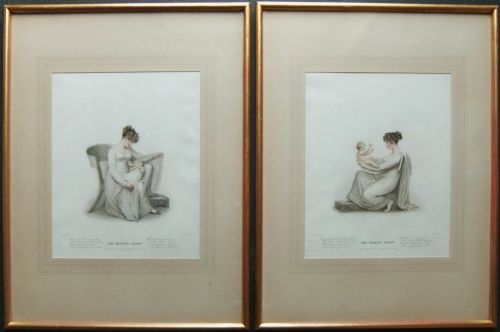
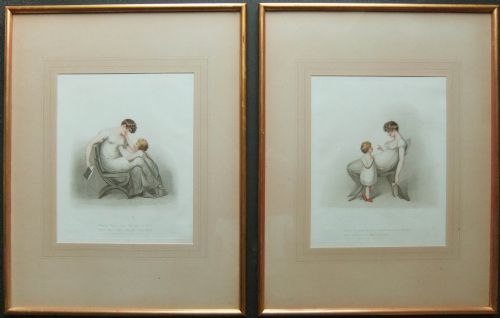
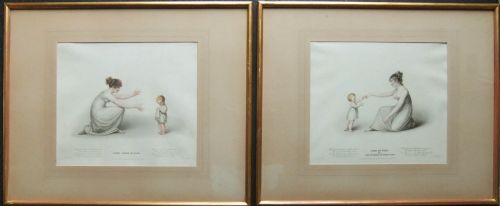
A pair of portrait prints brings dual character to a wall, matching historical subjects across matching frames.
Pair of Portrait Prints
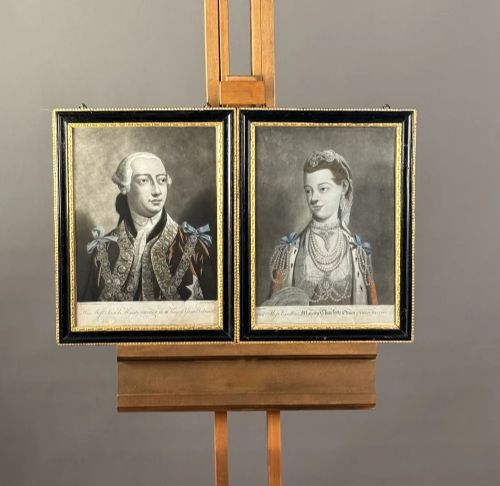
A pair of portrait prints unites two related likenesses, often depicting royal figures, aristocrats, children, or theatrical subjects meant to be displayed together. When you search for a pair of portrait prints, you encounter works spanning the eighteenth and nineteenth centuries, including Georgian and Victorian examples.
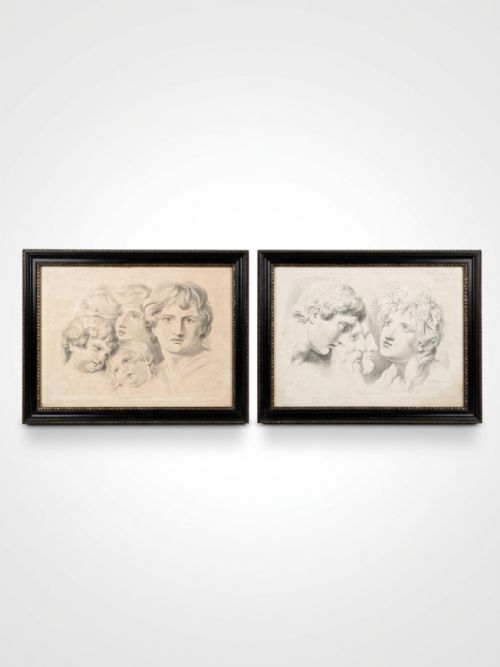
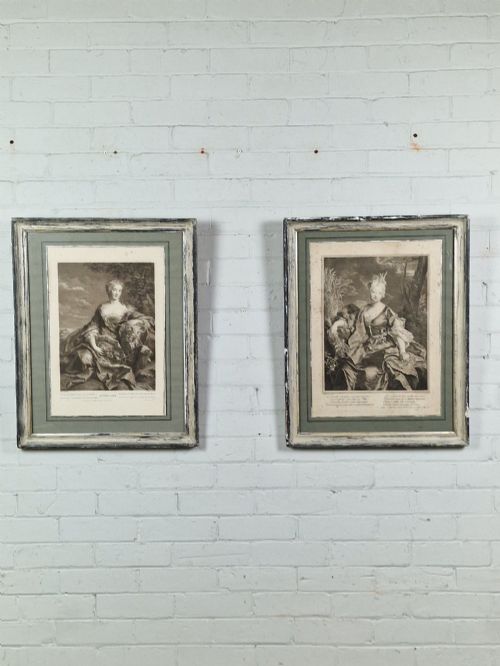
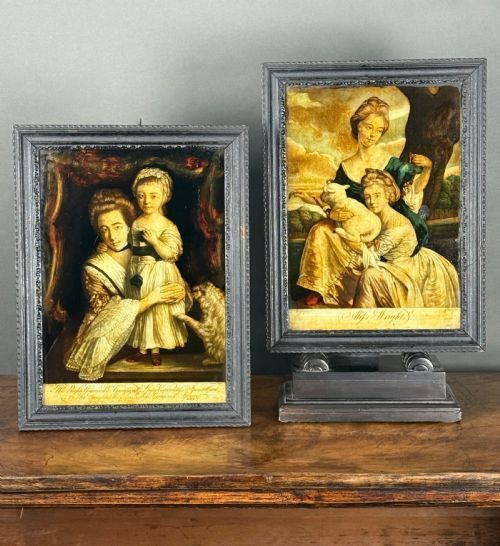
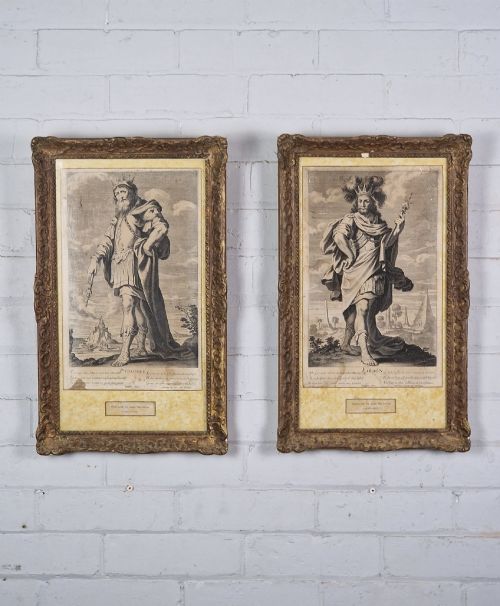
The selections on this page range from classical mezzotints and line engravings after notable artists to reverse glass prints and advertising pieces. French engravings and English royal portraits appear frequently alongside domestic scenes and children.
Materials and methods of production
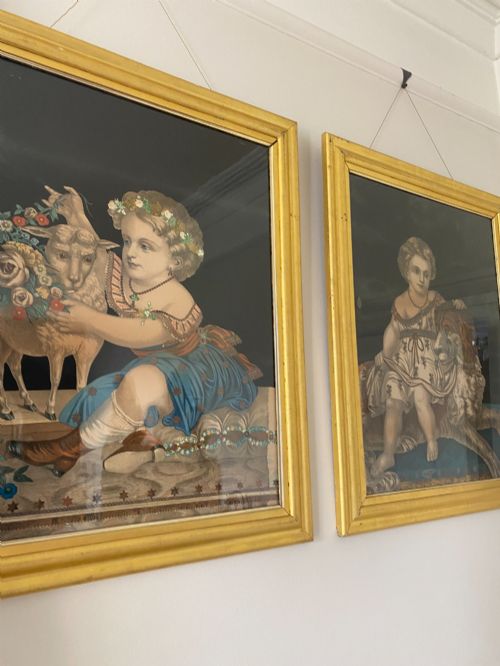
Makers produced these works using paper, ink, and oil paint, often applying techniques such as line engraving, stipple-engraving, and mezzotint. Reverse glass prints required meticulous painting directly onto the reverse side of the glass panel to achieve a luminous finish.
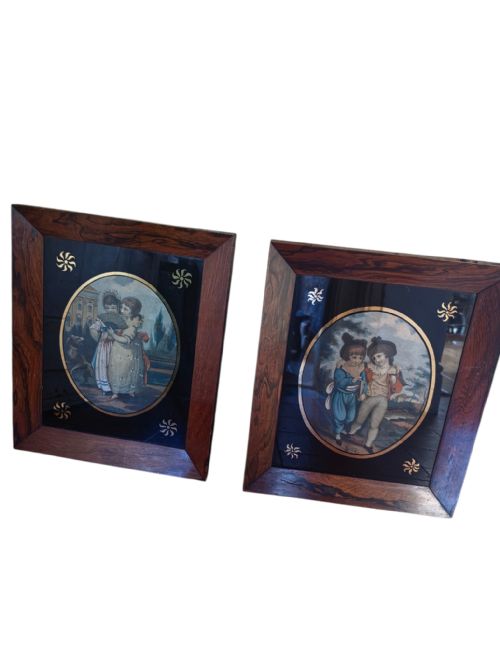
Framing materials reflect the period of creation, utilising timber such as rosewood and carved wood finished with gold leaf or gilt. Dome-fronted glass and delicate metal embellishments occasionally protect and enhance the surface of the print.
Pair of Portrait Prints Retail Price Guide 2026
Typical asking prices for pair of portrait prints among the pieces listed under this phrase on Sellingantiques today, from the lower quarter to the upper quarter. They describe what is for sale here now, not the wider market.
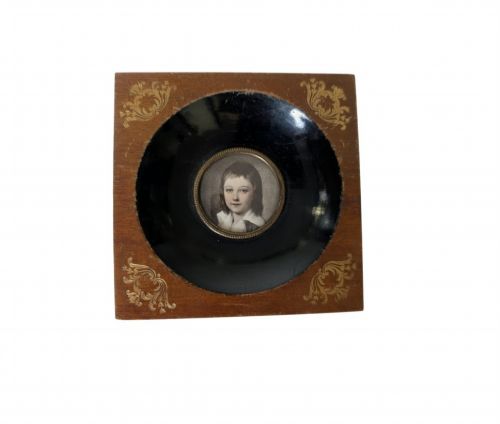
Some nineteenth-century children wear unexpected metal embellishments stitched directly onto their printed clothing.
Assessing quality and preservation
Quality rests upon the crispness of the impression and the fidelity of the printing technique, whether stipple, mezzotint, or line engraving. Finer examples retain deep contrasts and delicate details without excessive fading or paper discolouration.
The integrity of the original frame holds equal weight, with period rosewood and gilded mouldings contributing substantially to the overall character and historical cohesion of the matched pair.
The Pair of Portrait Prints Glossary
- Mezzotint
- A printmaking process where the copper plate is textured to allow rich tonal variations and deep darks. This method was widely used for eighteenth-century portraits.
- Reverse glass print
- An image painted or transferred directly onto the back of a glass sheet, creating a glossy finish. These delicate works require careful handling.
- Stipple-engraving
- A technique using dots of varying sizes and densities to simulate the soft shading of drawings. It gained popularity for sentimental and portrait subjects.
- Giltwood
- Wood carved and coated with gold leaf or a gold-coloured finish. It appears frequently on frames from the Georgian and Victorian eras.
- Line engraving
- A sharp tool cuts lines directly into a metal plate to hold ink, producing precise and clean details. This method defines many early prints.
Pair of Portrait Prints: Frequently Asked Questions
How should I hang a pair of portrait prints?
Display the two pieces at eye level with a modest gap between them to maintain visual balance on the wall. Matching frames allow them to anchor a room as a unified focal point.
Ensure they hang away from direct sunlight to protect the paper, ink, and any delicate hand-colouring from fading over time.
What periods do these portrait prints come from?
The pieces span the eighteenth and nineteenth centuries, taking in the Georgian, Regency, and Victorian eras. Earlier works often feature royal subjects or classical compositions.
Later nineteenth-century examples tend to include children, fashion plates, and theatrical personalities housed in period timber frames.
How do I care for reverse glass prints?
Keep these pieces in stable indoor environments away from excessive moisture and temperature fluctuations. The pigment adheres directly to the glass and remains vulnerable to damp.
Clean the glass gently with a dry microfibre cloth and avoid spraying liquids directly onto the surface near the edges where moisture might seep behind.
Are the frames usually original to the prints?
Many examples retain their period frames, such as rosewood or gilded wood surrounds that match the age of the artwork. These housings often feature dome-fronted glass or traditional joinery.
Matching frames complete the pair and preserve the historical presentation intended by past owners.