
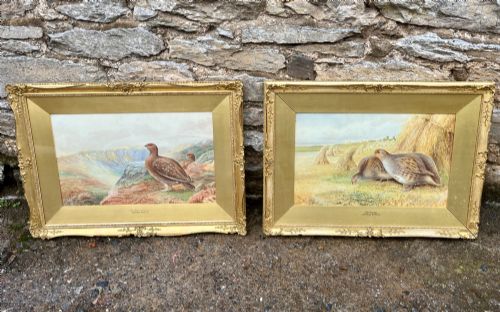
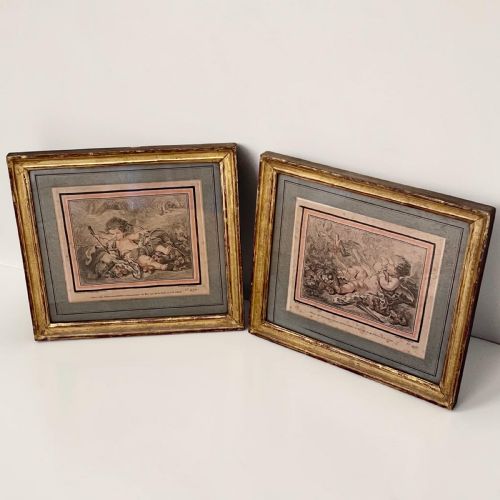
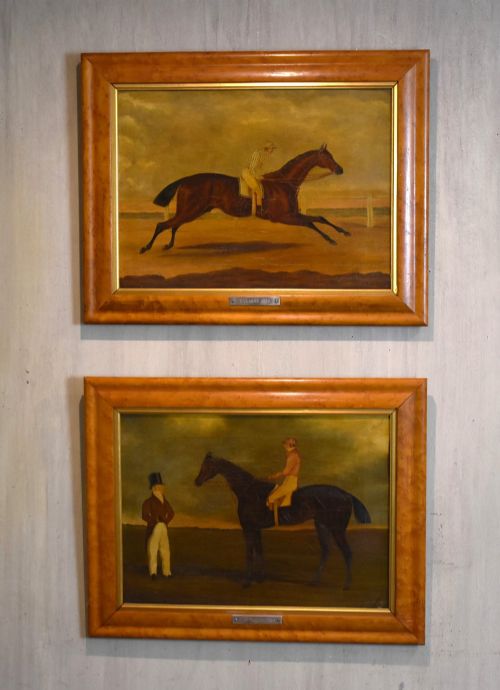
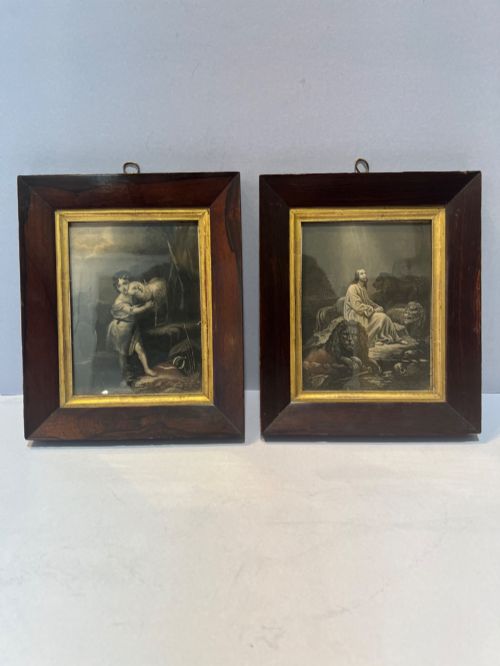
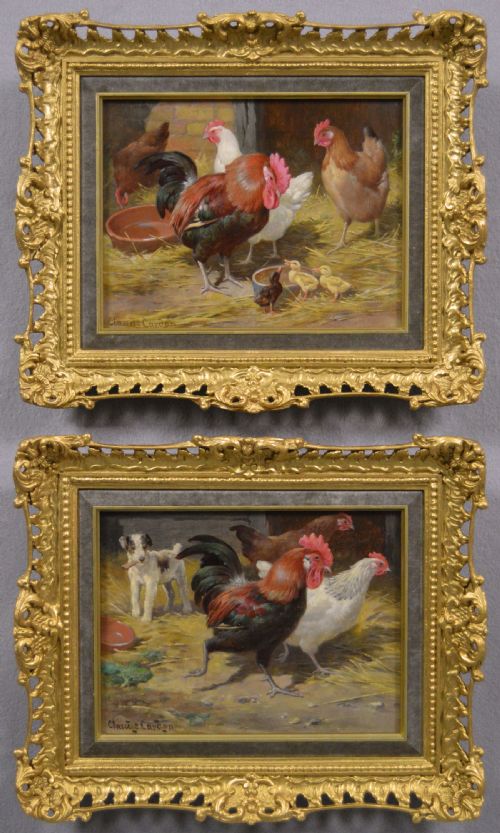


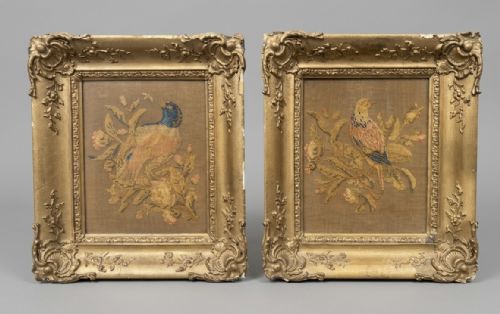
Pair of Gilt Framed Pictures
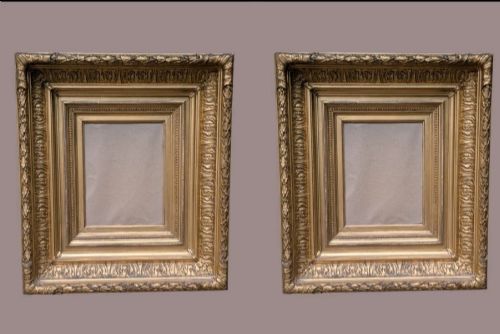
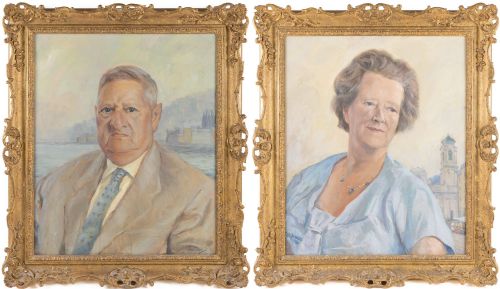
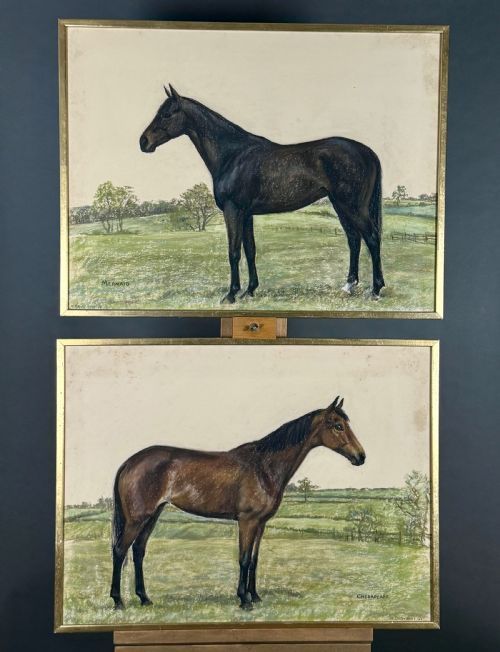
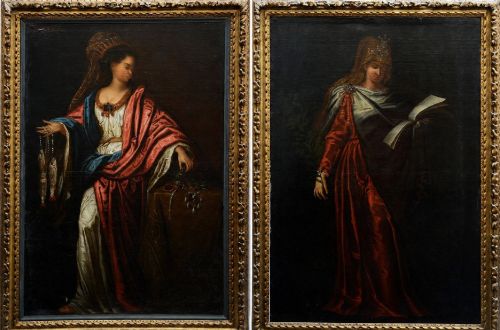
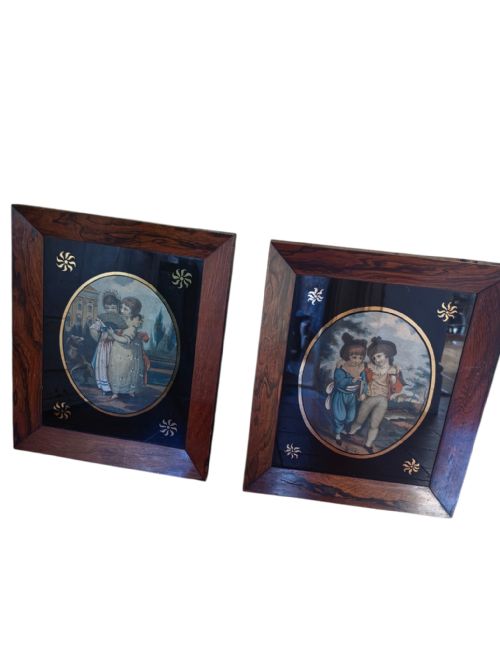
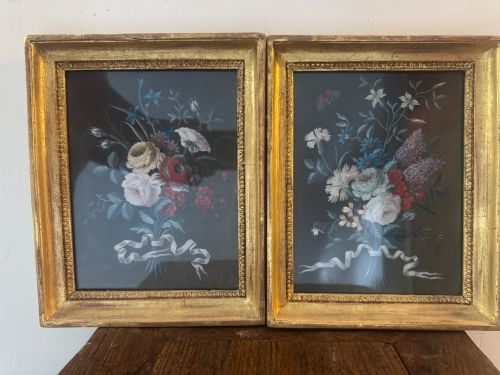
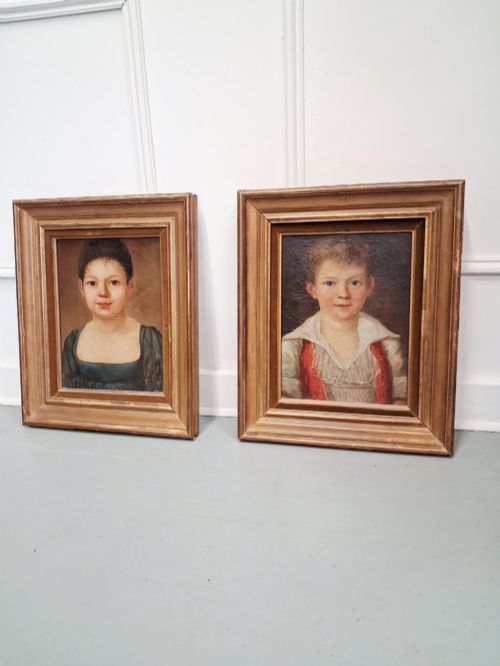
A pair of gilt framed pictures brings symmetry and rich metallic warmth to a wall, matching portraits, landscapes or mirrors as a set.
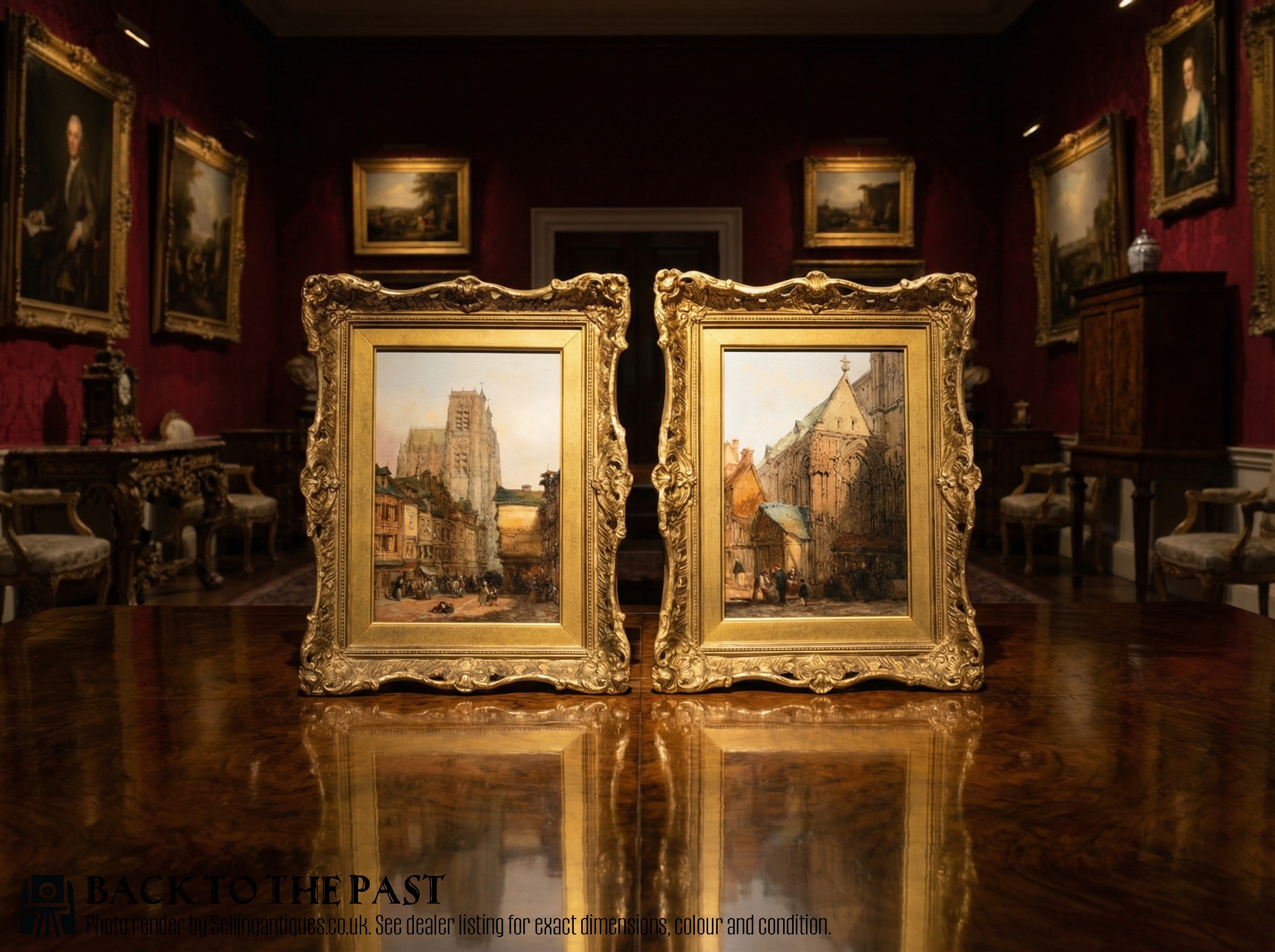
Pair of Gilt Framed Pictures
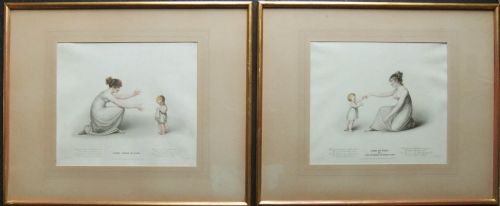
A pair of gilt framed pictures encompasses matched sets of artworks or mirrors enclosed in gilded surrounds, originating from periods spanning the Georgian era through to the mid-twentieth century. Buyers searching this phrase encounter oil paintings, watercolours, engravings, silkwork pictures and mirrors designed to hang together as a balanced composition.
The most common examples on this page are nineteenth-century oil paintings and watercolours housed in period giltwood or gesso frames. These items reflect traditional subjects such as portraits, farmyard scenes, landscapes and botanical studies.
Origins stretch across English, French, Italian and Scottish schools, demonstrating how makers matched decorative frames to complement the paired artworks within them.
How they were made
The frames rely on timber foundations coated in gesso - a mixture of plaster and glue size - which artisans carved or moulded into intricate relief before applying gold leaf or gilt paint. Canvases, paper or silk support the diverse artistic mediums, including oil paint, watercolour, gouache and pastel.
Makers utilised traditional joinery for the wooden supports and built up gesso layers to achieve sharp architectural profiles and decorative flourishes on the outer edges.
Soldier and sailor portraits complete with wooden legs stand ready for duty.
What varies in quality
Quality rests upon the fineness of the hand-carved detail within the gesso and the purity of the gilding, where genuine gold leaf retains a warmer lustre than metallic paint. The execution of the paired artwork itself dictates value, distinguishing competent studio output from more spirited brushwork or precise engraving.
The integrity of the pairing matters greatly, as matched sets that retain their original frames together from creation command greater harmony than later marriages of convenience.
George Rankin·Claude Cardon·John Frederick Herring Jnr·Frank Hider·Jan Evert Morel
The Pair of Gilt Framed Pictures Glossary
- Gesso
- A plaster-like preparation spread over a wooden frame base to provide a smooth surface for gilding and carving. It allows crisp relief moulding.
- Giltwood
- Timber that has been coated with gold leaf or gold paint. This technique gives frames a luminous, reflective metallic finish.
- Gouache
- An opaque water-based medium that uses gum arabic as a binder. It yields dense, matte colours on paper.
- Engraving
- A printmaking technique where an image is incised into a metal plate with a burin. The inked lines transfer cleanly under pressure.
- Silkwork
- Embroidery executed using silk threads on a fabric ground. These detailed pictorial works often date from the Georgian and Regency periods.
Pair of Gilt Framed Pictures: Frequently Asked Questions
How do I hang a pair?
Hang them at eye level with a consistent gap between the frames to maintain visual balance on the wall. Aligning the top edges creates a formal appearance, whilst centring them individually works well for staggered arrangements.
Ensure both pictures use secure fixings suited to the weight of solid wood and gesso frames.
Are these original pairs?
Many items survive as the original matched set created by the artist or framer, sharing identical dimensions, framing styles and subject matter. Companion pieces were typically commissioned or painted together to hang side by side.
Checking the backing boards and frame construction helps confirm that the pair has remained together over the centuries.
How do I clean gilt frames?
Dust gilt frames gently with a dry, soft-bristled brush or a clean feather duster to remove loose particles without disturbing the surface. Avoid liquid cleaners, water and chemical polishes, which can strip the delicate gold leaf or soften the gesso.
Professional restoration is recommended if the gilding shows active flaking or loss.
What subjects are common?
Portraits of ladies and gentlemen, pastoral farmyard scenes, botanical studies and landscape views dominate the selection. Companion pieces often feature complementary themes such as seasonal changes, maritime departures and returns, or paired animal studies.
Such subjects reflect the historical popularity of balanced decor in period interiors.