

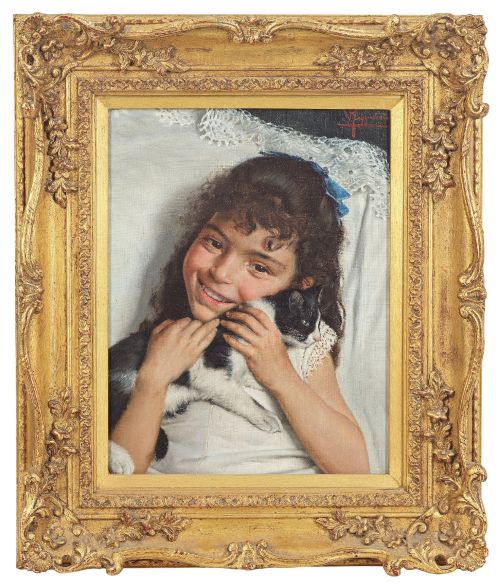
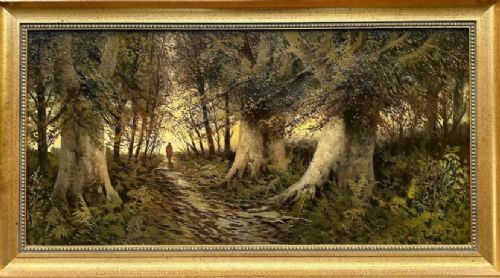
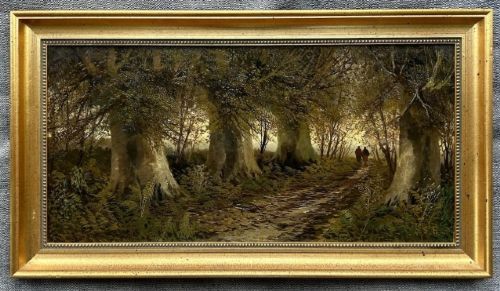
Original 19th Century Oil Art
Original 19th century oil art brings historical character and rich pigments into a room, spanning detailed portraiture and pastoral landscapes.
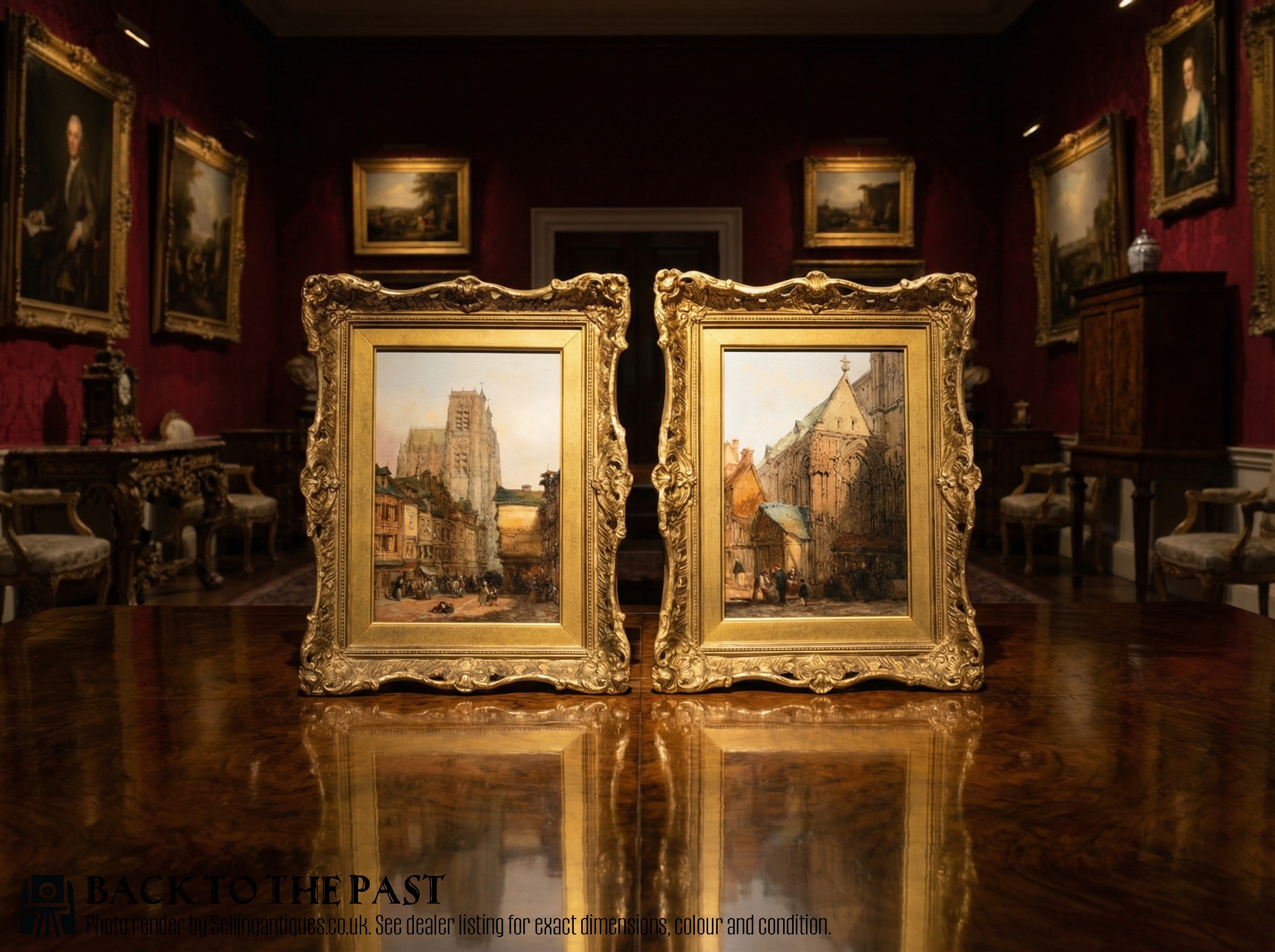
Original 19th Century Oil Art
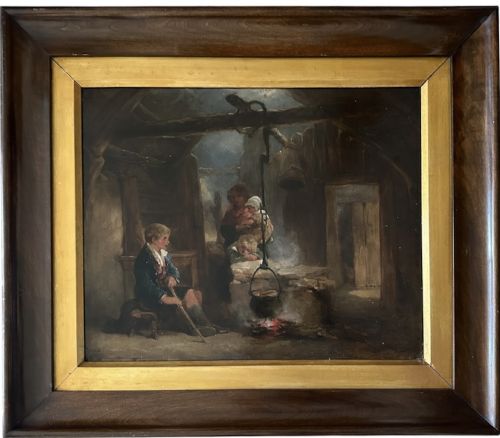
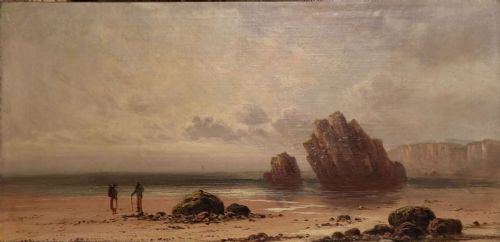
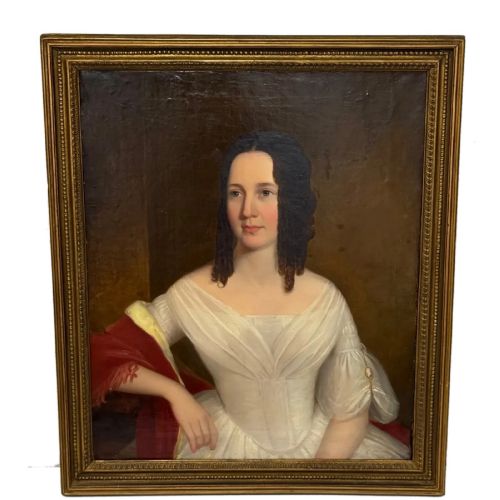
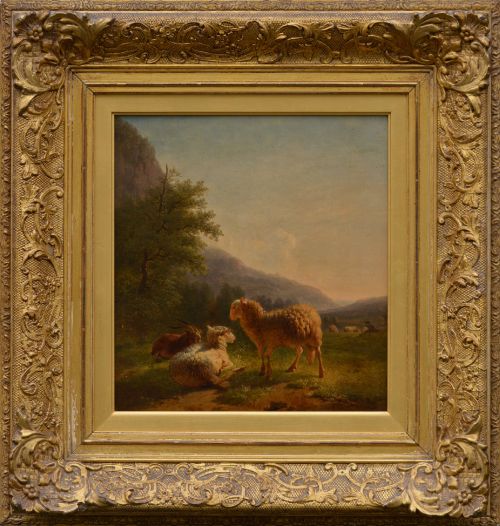
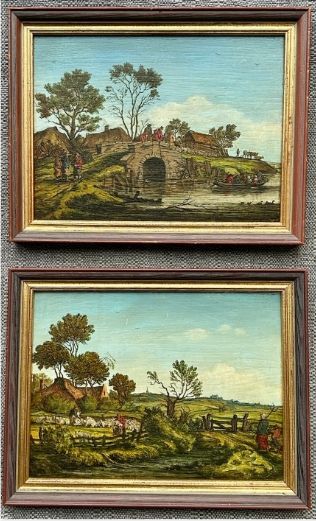
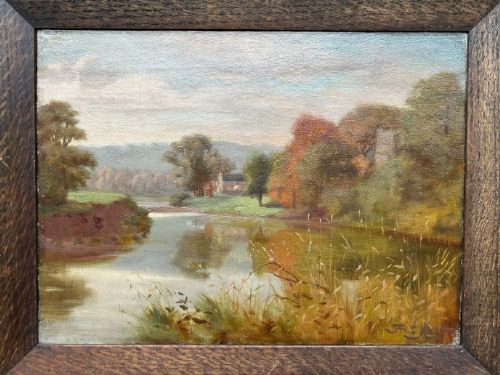
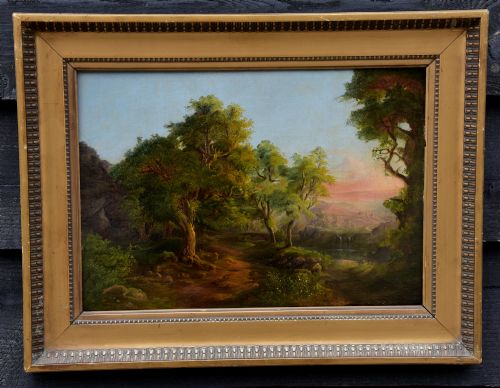
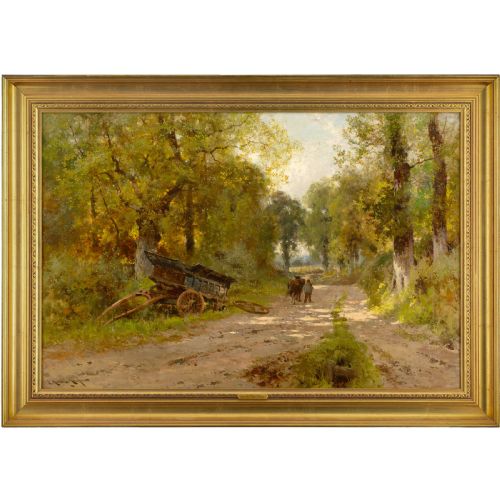
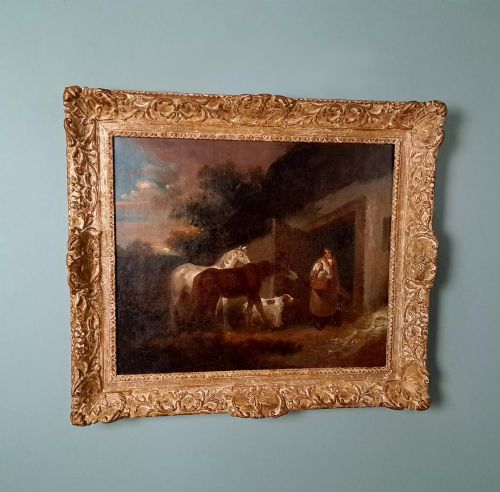
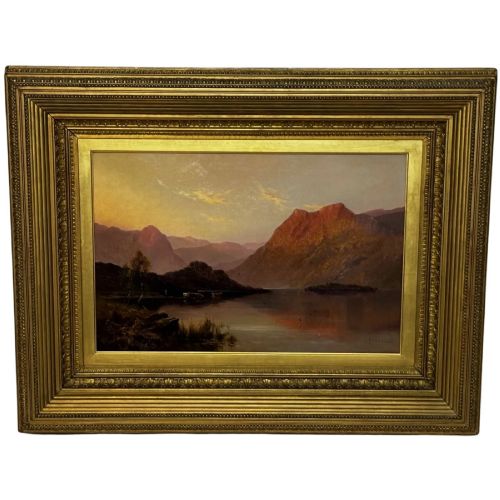
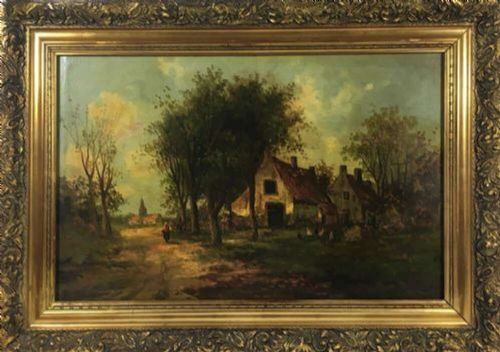
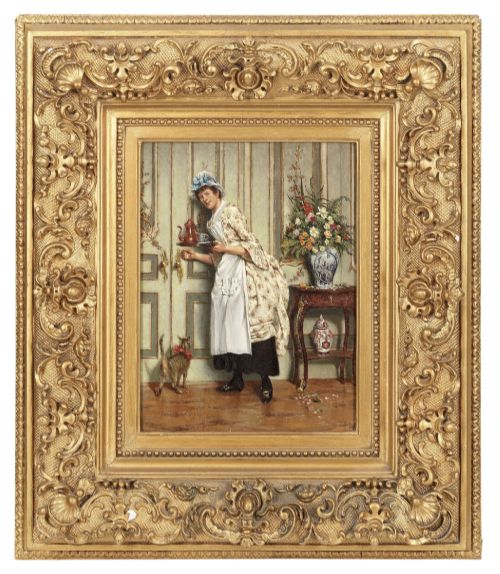
Buyers exploring original 19th century oil art encounter paintings created across the Victorian, Regency, and Georgian eras, taking the form of framed wall pieces, wood panel boards, and canvas works. These items capture portraits, rural scenes, marine rescues, and town views.
The selections frequently highlight British and European schools, ranging from intimate depictions of sitters to broad pastoral horizons. Both canvas supports and wooden boards appear across the selection.
Works attributed to named regional painters sit alongside pieces from continental European studios and anonymous folk art creators. The prevalent formats are individual framed paintings and occasional pairs.
Materials and methods
Painters applied oil paint formulated from pigments bound in drying oils onto woven canvas or prepared wooden boards. These supports received priming layers to ensure the stability of the paint surface.
Surviving pieces often retain period frames constructed from wood, gesso, and gilt leaf or giltwood. These surrounds utilise moulded plaster details to complement the visual weight of the paintings.
Framing materials recorded in the archive encompass gilt wood, gesso, and plaster mouldings.
Qualities that distinguish individual works
The skill of the brushwork and the precision of anatomical or architectural rendering separate master compositions from student or naive efforts. Strong handling of light and shadow creates depth within the subject matter.
The integrity of the original surface, including the condition of the paint layers and the absence of heavy overpainting, dictates the preservation standard. Surviving period frames with original gilding also influence the overall integrity of the piece.
Joseph Clover·John Horace Hooper·Vittorio Reggianini·David Bates·John Nost Sartorius·Margaret Sarah Carpenter
The Original 19th Century Oil Art Glossary
- Oil on Canvas
- Pigment bound in oil medium applied directly to stretched woven fabric. This combination provides flexibility and durability for large compositions.
- Giltwood
- Timber that has been coated with a thin layer of gold leaf or gold paint. It frequently appears on period picture frames.
- Gesso
- A white paint mixture consisting of a binder mixed with chalk, gypsum, or pigment. It prepares wooden panels and frames for gilding or painting.
- Wood Panel
- A rigid flat wooden support used instead of canvas for painting. Artists utilised various hardwoods and softwoods depending on regional availability.
- Provenance
- The documented history of ownership of a work of art. It helps establish authenticity and historical context.
Original 19th Century Oil Art: Frequently Asked Questions
How do I identify a 19th century canvas?
Inspect the reverse of the stretcher frames for handmade wooden wedges, oxidized iron tacks, and the tight weave of aged linen or cotton duck. Canvas texture and standard framing techniques of the period offer further clues.
Examine the edges where the fabric wraps around the wooden support for signs of earlier framing lines and natural material ageing. Hand-written inscriptions or maker stamps on the stretcher bars often corroborate the era.
Were these paintings always framed?
Most works were housed in decorative surrounds made from wood, gesso, and gold leaf soon after completion to protect the canvas edges. These housings formed an integral part of how the art was displayed.
Frames frequently changed over the decades to match evolving interior design tastes while retaining historical joinery methods. Original period frames remain desirable components of surviving artworks.
How should I care for oil art?
Keep paintings away from direct sunlight, high humidity, and rapid temperature fluctuations that can cause canvas slackening or wood warping. Stable indoor environments preserve both the pigments and the underlying support structure.
Dust surfaces gently with a soft, dry brush without applying moisture or chemical cleaning agents. Professional conservators should handle any structural repairs or varnish removal.
What subjects are most common?
Portraits of individuals and families, pastoral landscapes featuring livestock, and architectural townscapes dominate the surviving output of this era. Sporting scenes and marine rescues also appear frequently.
Genre scenes depicting domestic interiors or rural life reflect the prevailing artistic tastes of Victorian and Regency patrons. Painters recorded both local British countryside views and continental travels.