

Pair of Framed Artwork
These curated pairs of framed artwork unite balanced compositions across centuries, offering symmetrical wall displays shaped by oil paint, pastel, and print.
Pair of Framed Artwork
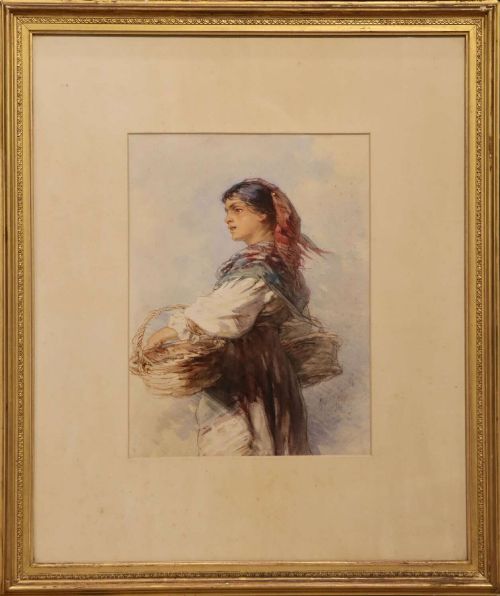
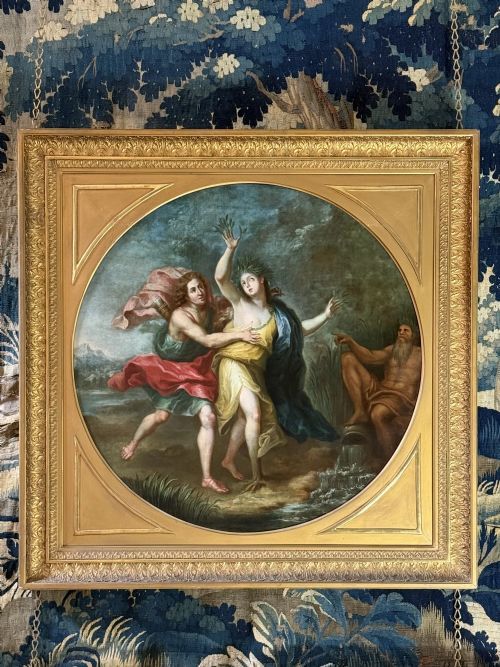
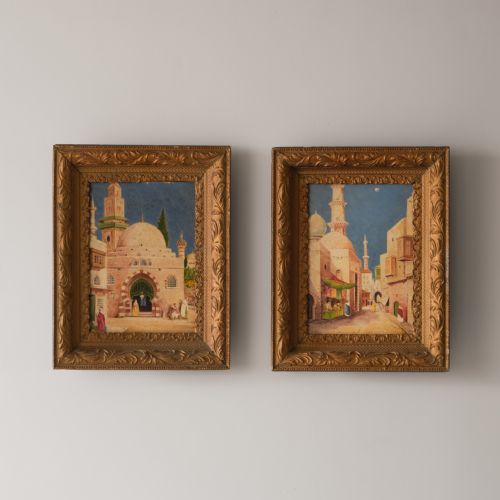
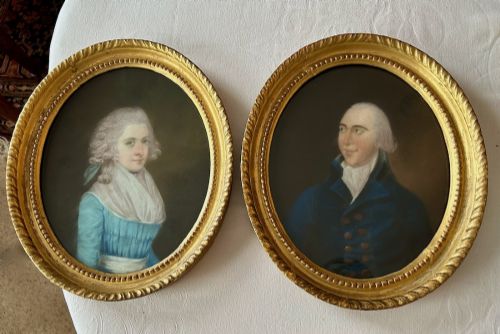
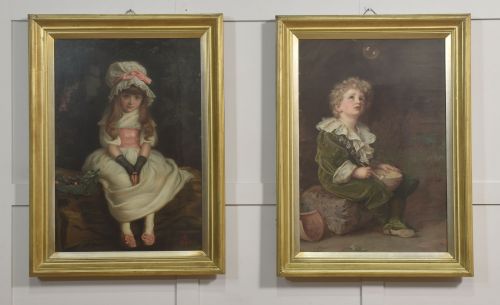
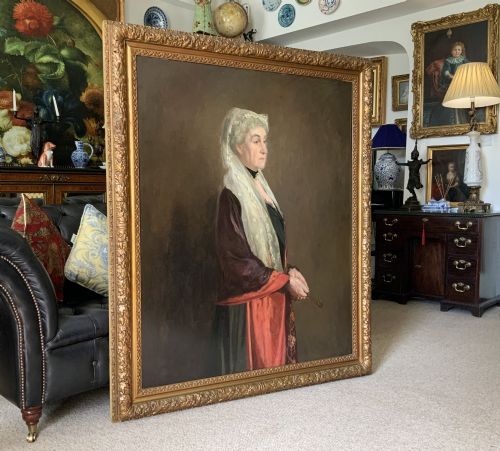
A pair of framed artwork brings together matching dual pieces created across the eighteenth, nineteenth, and twentieth centuries, spanning periods from the Georgian era to the mid-twentieth century. Buyers searching this phrase meet symmetrical compositions designed for balanced wall hanging, most frequently encountered as paired portraits, landscapes, or still life studies.
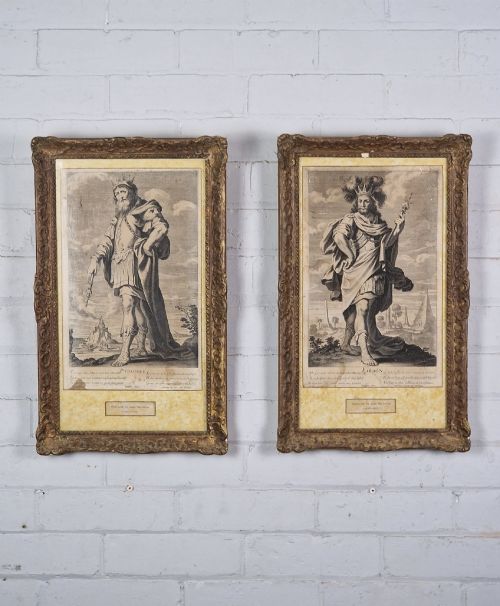
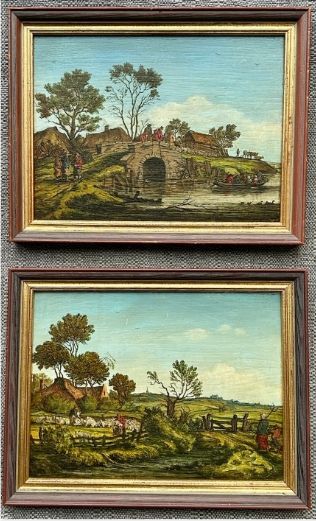
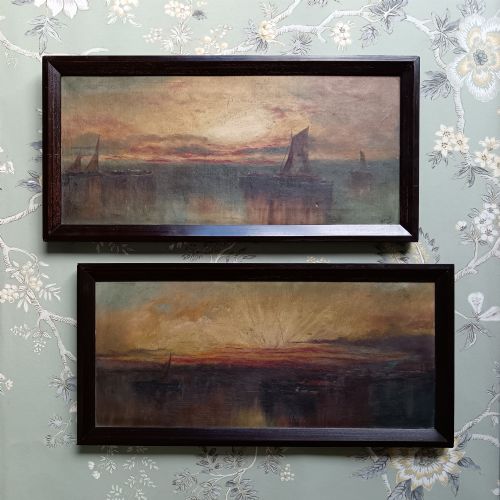
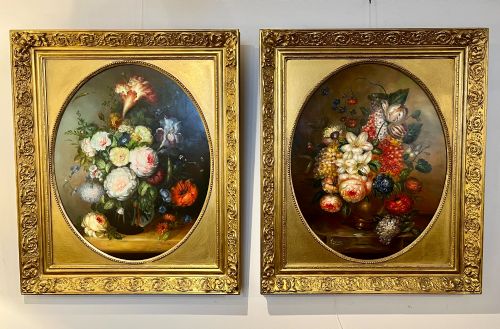
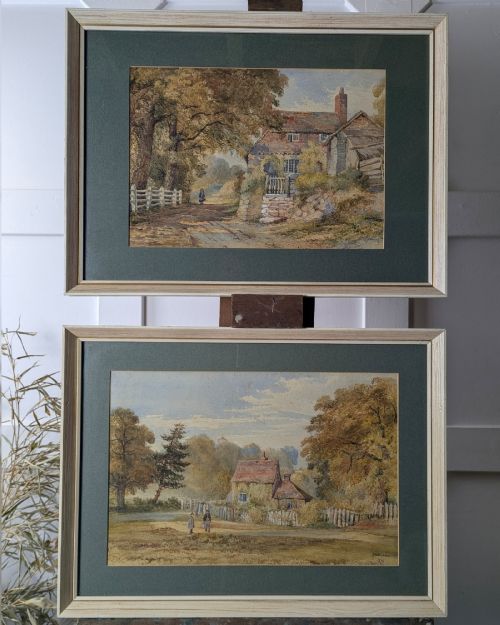
The selections on this page range from hand-drawn watercolours and pastel portraits to oil paintings on canvas and wood panels, alongside engraved prints housed in period surrounds. These coordinated pairs capture historic subjects, maritime scenes, and botanical studies intended to be displayed together as a unified visual statement.
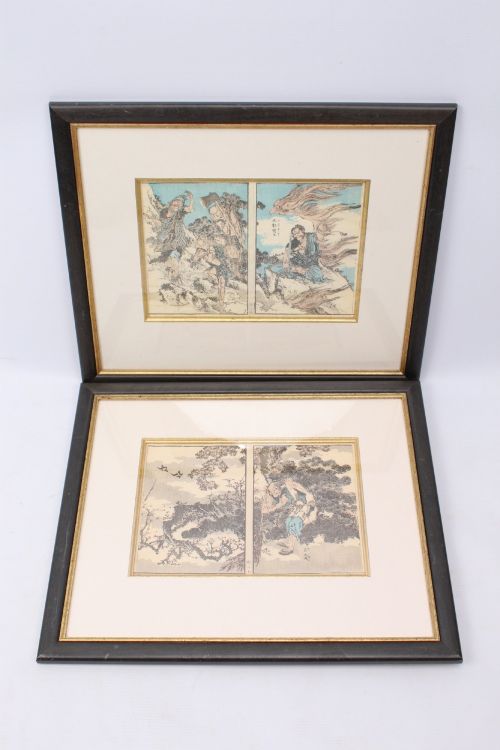
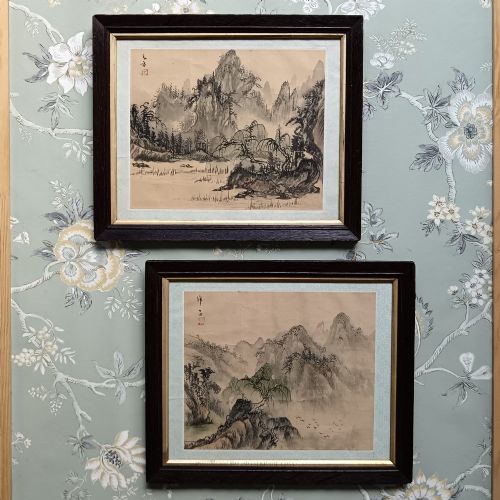
Origins stretch from British and French studios to Dutch, Flemish, and Japanese workshops, incorporating silk paintings, glass mezzotints, and ink drawings. Each matching pair preserves the original aesthetic dialogue intended by the artist or publisher, offering a complete decorative narrative within a single acquisition.
Materials and methods
Makers utilised traditional supports including stretched canvas, wooden panels, heavy paper, and silk, applying mediums such as oil paint, watercolour, pastel, and ink. Engravings and woodblock prints relied on carved blocks or plates transferred onto paper sheets, while reverse glass mezzotints required specialised impression techniques behind protective glazing.
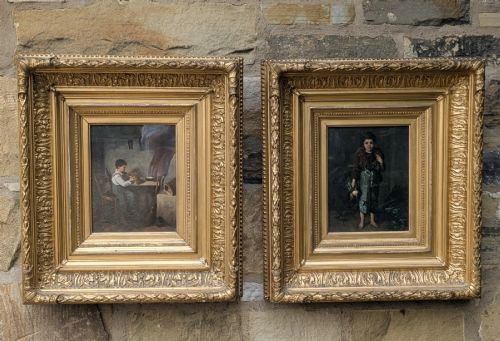
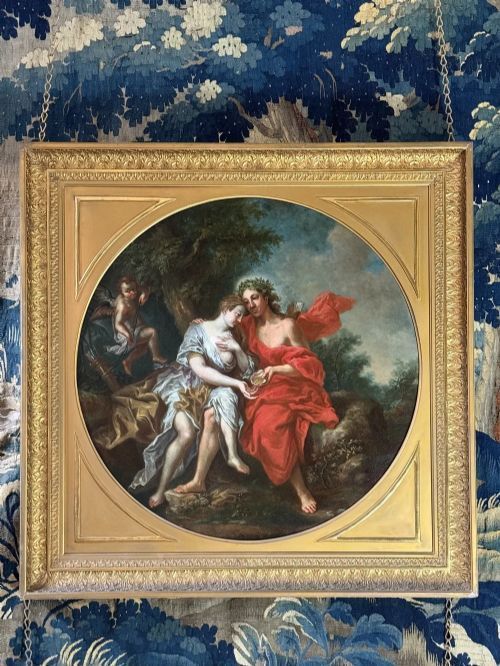
Framing forms an integral part of the construction, utilising carved wood, giltwood, rosewood, and gold leaf mouldings designed to complement the artwork within. Many pieces retain their original frames, preserving the historic bond between the dual images and their protective surrounds.
Some portraits immortalise Victorian children who evidently sat still just long enough for posterity.
Judging quality in matched pairs
The distinction between tiers rests upon the execution of the hand, the preservation of the medium, and the integrity of the matching set. Superior examples demonstrate confident brushwork, refined draughtsmanship, and pigments that retain their original tonal depth without extensive intervention.
Cohesion defines the better specimens, where both items in the pair share identical provenance, matching dimensions, and uniform ageing across their paper, canvas, or wood supports. The survival of matching original frames further elevates the standing of a pair, securing the visual balance intended by the maker.
Charles-Antoine Coypel·Jean Mariette·Emily Eyres·B. Nash·Robert A. Nottingham·Fred Lawson·Adam Buck·Jacobus Houbraken·Manuela Bonati·Robert Cleminson·Johann Friedrich Voltz
The Pair of Framed Artwork Glossary
- Mezzotint
- A printmaking process of the intaglio family where the plate is roughened with a rocker to achieve rich dark tones and subtle gradations of light. Examples include reverse glass applications protected beneath sealed panes.
- Woodblock print
- A technique where an image is carved into a block of wood, inked, and transferred onto paper. Japanese iterations demonstrate precise linear control and vibrant historic pigments.
- Giltwood
- Wood carved and coated with a thin layer of gold leaf or gilt gesso. It provides a reflective, ornate border frequently found on eighteenth and nineteenth-century frames.
- Pastel
- A dry painting medium consisting of powdered pigment and a binder, worked onto paper or canvas. These delicate studies require framing beneath glass to prevent surface disruption.
Pair of Framed Artwork: Frequently Asked Questions
How should I hang a matched pair?
Position the two pieces at eye level with consistent spacing between them to maintain the intended visual symmetry.
Keep them away from direct sunlight to protect sensitive watercolours, pastels, and paper surfaces from fading.
What subjects are most common?
Portraits of individuals, pastoral landscapes, botanical studies, and classical mythological scenes frequently appear across these historical periods.
Many sets pair contrasting themes such as sunrise and sunset, or allegorical figures representing complementary ideas.
Are original frames important?
Original giltwood, rosewood, or carved wooden frames preserve the historic context and proportion intended for the artwork.
Retaining the matching surrounds ensures the two pieces continue to function as a unified decorative pair.
How do I care for antique paper art?
Keep the pieces in stable indoor environments with moderate humidity to prevent warping of the paper and degradation of the mount.
Ensure the protective glass remains sealed to block dust and moisture from reaching delicate ink, pastel, or watercolour surfaces.