


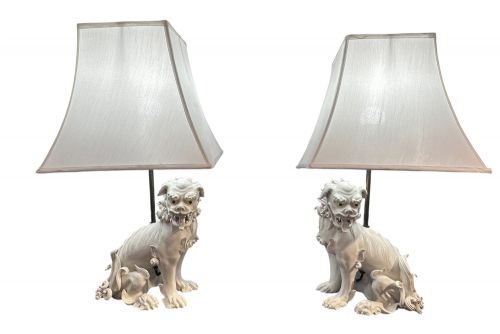


Pair of Ceramic Lions
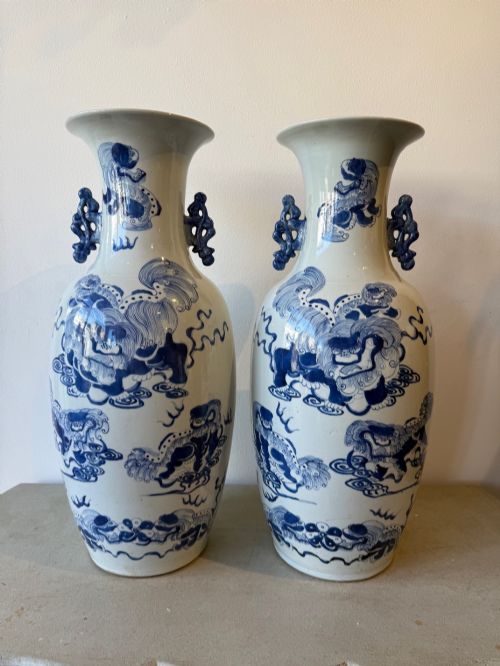
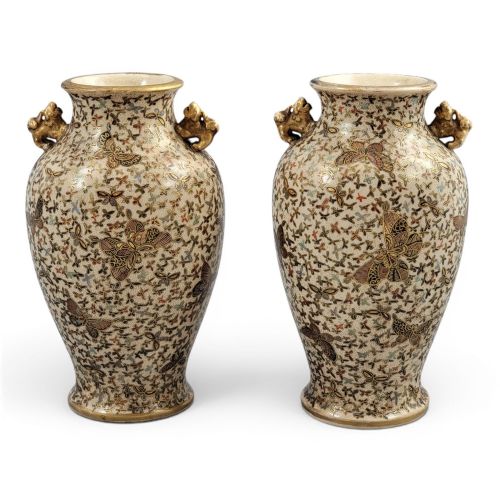
These pair of ceramic lions bring sculptural presence to a room, spanning British Staffordshire pottery, Chinese terracotta, and Italian garden figures.
Pair of Ceramic Lions
When you search for a pair of ceramic lions, you encounter figures that divide into English fireside ornaments, Asian temple guardians, and monumental garden statuary. These creatures serve domestic mantelpieces as spill vases or bookends, while larger examples stand on bases for interior or exterior display.
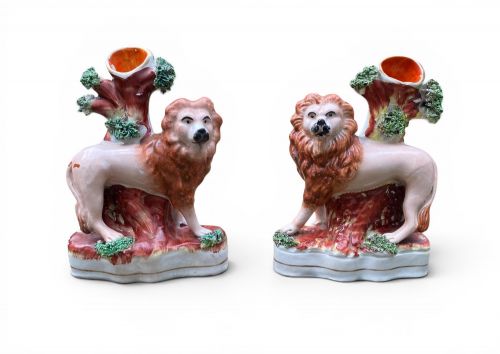
The most common versions met on this page are Staffordshire earthenware models from the nineteenth century alongside Chinese pottery and terracotta garden sculptures. English mantel figures typically display a seated posture with glazed finishes, whereas Asian forms draw on traditional Buddhist iconography.
Originating from periods spanning the Victorian era to the early twentieth century, these pairs reflect diverse regional aesthetics. British makers produced mantel ornaments for domestic hearths, while workshops in China and Europe created larger decorative figures and garden sculptures.
Materials and construction methods
Potters shaped these figures using earthenware, terracotta, and porcelain, applying lead glaze, enamel, or sancai colouring to the surfaces. Earthenware and terracotta served as the primary bodies for both Staffordshire mantel figures and large garden sculptures.
Glazing techniques define the finish, ranging from monochrome white blanc de chine to rich treacle glazes and blue and white underglaze painting. Artisans modelled the clay by hand or cast it in moulds before firing and decorating each pair for display.
Staffordshire lions occasionally wear expressions resembling disgruntled family pets rather than fierce beasts.
Distinctions in craftsmanship and form
The application of surface colour and glaze effects further separates standard production from exceptional work. Rich tonal variations in lead or sancai glazes elevate the decorative impact of the ceramic body.
Lancaster and Sons of Hanley·Hurlford Kilmarnock
The Pair of Ceramic Lions Glossary
- Staffordshire pottery
- Earthenware figures produced in the English potteries during the nineteenth century. These mantel ornaments often depict lions alongside other animals and figures.
- Terracotta
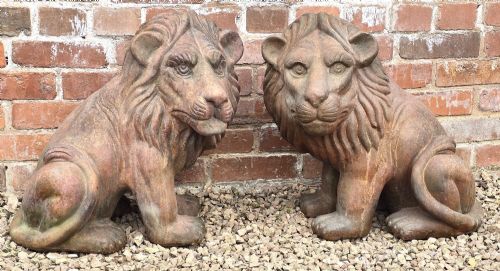
- Fired unglazed clay of a brownish-red or buff colour. This material is common in larger garden statues and architectural sculptures.
- Spill vase
- A hollow vessel attached to a figure, designed to hold wooden spills for lighting fires or candles. Staffordshire lions frequently incorporate this functional element behind the animal.
- Sancai
- A type of Chinese ceramic glaze using three colours, typically yellow, green, and white or amber. This technique appears on East Asian guardian lion figures.
- Blanc de chine
- A white porcelain produced in China, valued for its smooth milk-white glaze. It often characterises temple lion lamps and figures.
Pair of Ceramic Lions: Frequently Asked Questions
How were Staffordshire lions used?
Staffordshire lions stood upon mantelpieces in pairs, often flanking a clock or placed at either end of a shelf for decorative symmetry. Some incorporated hollow cylinders behind the figure to function as spill vases.
These earthenware ornaments brought domestic colour and a sense of British identity to nineteenth-century parlours and living rooms.
What is a Foo Dog?
Foo dogs, or guardian lions, represent traditional Chinese architectural guardians placed outside temples and palaces to ward off evil spirits. Ceramic versions bring this symbolic protection into interior spaces as decorative figures or lamps.
Potters rendered these mythical beasts with elaborate manes, open mouths, and paws resting on brocade balls.
Are terracotta lions for outdoors?
Larger terracotta examples function as garden statues or architectural ornaments intended for terraces, entranceways, and grounds. Their heavy ceramic body suits placement in sheltered outdoor environments.
Buyers should consider frost resistance and seasonal placement when positioning terracotta sculptures outside.
How to date ceramic lions?
Dating relies on stylistic markers, manufacturing techniques, and glaze characteristics associated with periods like the Victorian era or the late nineteenth century. Staffordshire earthenware shows distinct craquelure and glaze pooling characteristic of earlier production methods.
Makers' marks and regional clay bodies also help establish the chronological origins of each pair.