



Pair of Carved Corbels
A pair of carved corbels brings structural weight and architectural drama into a room, functioning as heavy wall supports or decorative brackets.
Pair of Carved Corbels
A pair of carved corbels represents architectural salvage and structural supports designed to bear weight or project from a wall. When searching for a pair of carved corbels, buyers encounter pieces fashioned from timber, stone, and plaster across multiple centuries.
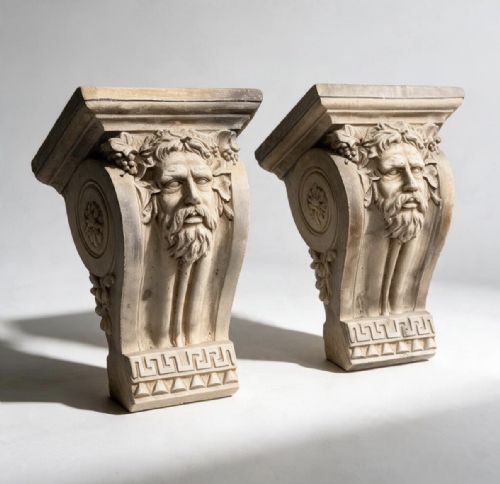
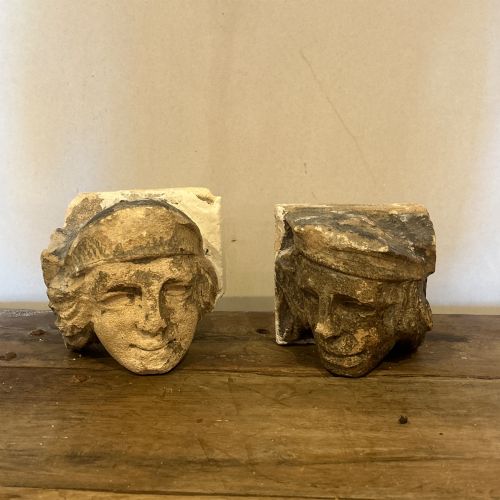
The selections span centuries from pre-sixteenth century medieval limestone examples to nineteenth-century pine and giltwood pieces. Forms include wall brackets, shelf supports, and architectural capitals that originally served beneath beams or balconies.
Wooden variants dominate the selection, appearing in oak, pine, fruitwood, and limewood, alongside stone and plaster versions. These architectural elements transition easily from exterior building fragments to interior display shelves.
Methods and materials of construction
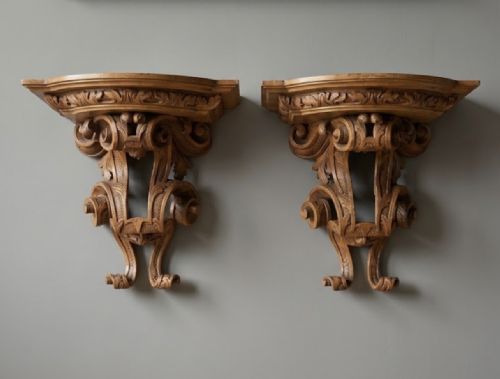
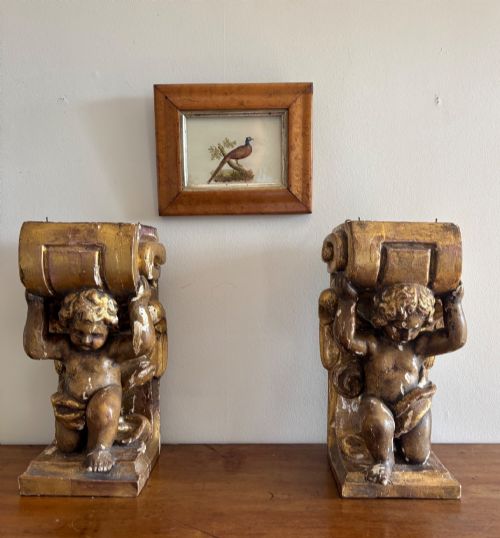
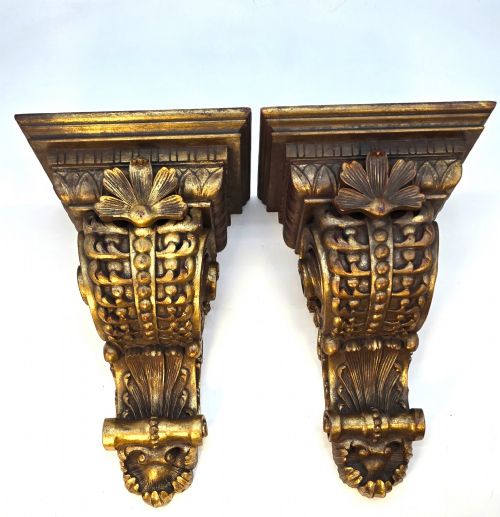
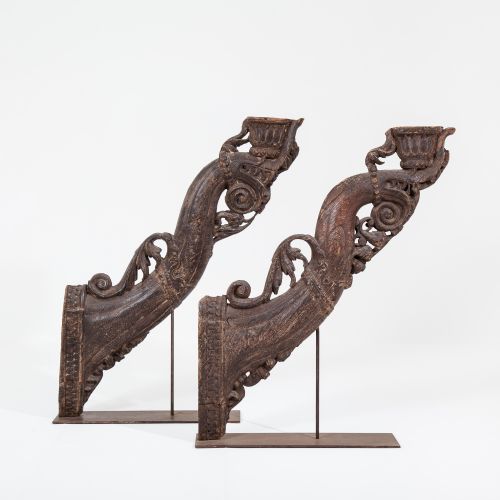
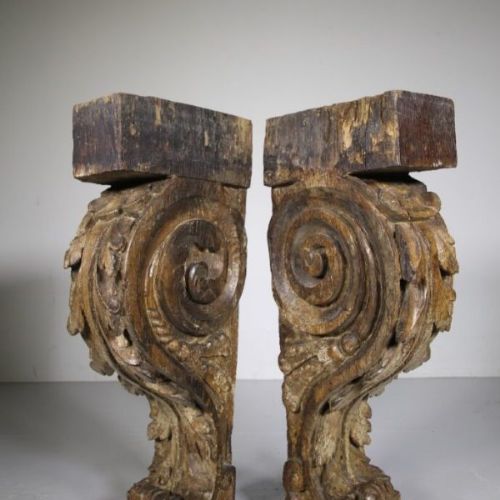
Makers shaped a pair of carved corbels primarily from solid timbers like oak, pine, and fruitwood, utilising hand chisels and gouges to achieve deep relief. Hardwood versions required immense skill to cut intricate acanthus leaves, cherubs, and animal forms without splitting the grain.
Surface finishes applied to the wood include gold leaf, gesso, paint, and plain wax, which protected the material and added decorative lustre. Stone and plaster variants utilised limestone and moulded compositions to create heavy-duty architectural members.
Pair of Carved Corbels Retail Price Guide 2026
Typical asking prices for pair of carved corbels among the pieces listed under this phrase on Sellingantiques today, from the lower quarter to the upper quarter. They describe what is for sale here now, not the wider market.
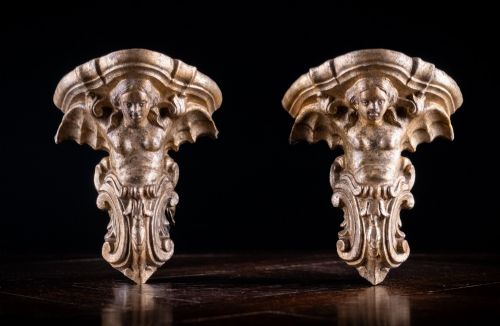
Among the carved fauna keeping watch over the centuries, watchful foxes and winged sirens share space with chubby cherubs.
Factors determining quality
The integrity of the original material and surface finish dictates desirability, with intact giltwood, original paint, or uncompromised limestone holding greater visual weight. Matched pairs showing consistent wear and identical proportions demonstrate superior workshop origin.
The Pair of Carved Corbels Glossary
- Corbel
- A structural piece of stone, wood, or metal jutting from a wall to carry a superincumbent weight. These load-bearing brackets often terminate in scrolls or figurative carvings.
- Giltwood
- Wood that has been prepared with gesso and covered with thin gold leaf. This finish creates a luminous reflective surface common on Italian and French decorative brackets.
- Capital
- The uppermost member of a column or pilaster, often carved in orders such as Corinthian. They function as architectural support blocks beneath beams.
- Architectural salvage
- Building elements rescued from demolition or alteration for reuse in interior design. This category includes corbels, capitals, and wall brackets.
- Gesso
- A plaster mixture used as a smooth base for painting or gilding on wood. It allows for fine detail work before the application of gold leaf.
Pair of Carved Corbels: Frequently Asked Questions
How were corbels used originally?
Corbels functioned as heavy load-bearing brackets projecting from walls to support ceiling beams, mantelpieces, or balconies. Builders relied on them to distribute structural weight safely across masonry.
Over time, smaller versions evolved into purely decorative wall brackets designed to hold busts, urns, or candles. Their dual nature bridges heavy construction and fine interior ornament.
What woods appear most frequently?
Pine, oak, and fruitwood dominate the wooden examples found in historical collections. Oak provided robust strength for early architectural members, while pine offered a softer medium for deep relief carving.
Limewood and fruitwood frequently served smaller decorative brackets due to their fine grain, which allowed carvers to execute delicate facial expressions and foliage.
How do I hang heavy wooden corbels?
Heavy wooden corbels require secure wall fixings screwed directly into structural studs or masonry backing. Many retain their original rear mounting brackets or iron straps for this purpose.
Professional installation ensures the weight of the timber and any displayed objects remains safely anchored to the wall.
Can these brackets support shelves?
Most wall brackets and corbels function effectively as shelf supports when mounted securely in matching pairs. Placing a glass or timber board across the top transforms them into display ledges.
Their projection depth determines the width of the shelf a buyer can safely rest upon them.