




Pair Italian Cupboards
Pair italian cupboards bring architectural presence and regional character into a room, offering matched storage through distinctive historic forms.
Pair Italian Cupboards
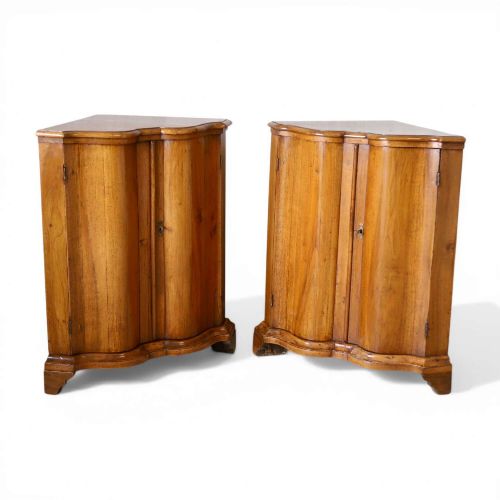
When searching for pair italian cupboards, collectors encounter forms ranging from monumental architectural side cabinets to compact bedside chests and corner units. These dual items provide symmetrical storage while displaying regional decorative traditions from across Italy.
The selections span significant chronological ground, including eighteenth-century provincial pieces, nineteenth-century revival items, and twentieth-century Art Deco expressions. Buyers most frequently meet walnut bedside tables and corner cupboards amongst these paired offerings.
Materials and construction methods
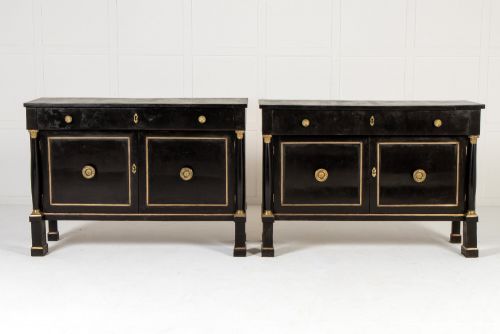
Walnut and burr walnut dominate the construction of these items, frequently paired with contrasting ebonised wood, marble tops, and brass hardware. Artisans utilised these dense timbers to create smooth serpentine fronts, drum shapes, and panelled doors.
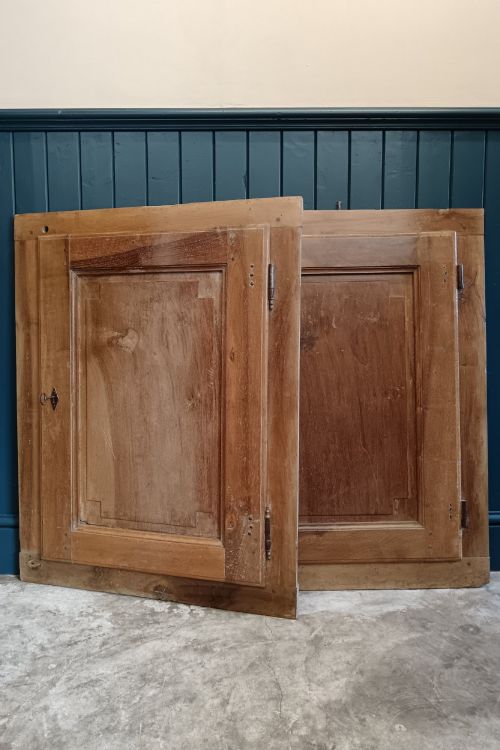
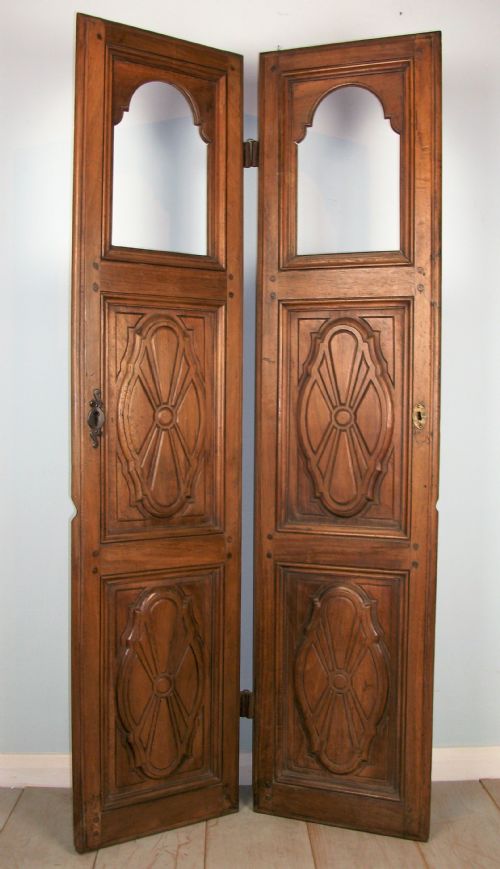
Surface ornamentation incorporates intricate pietra dura work, painted finishes, and detailed carving that reflects periods such as the Rococo and Neoclassical styles. Structural ironwork and architectural salvage elements occasionally appear within the recorded pieces.
The recorded inventory includes walnut, marble, and iron materials spanning the eighteenth, nineteenth, and twentieth centuries.
Markers of distinction
The degree of refinement in the carved details and the selection of timber figure prominently in separating standard examples from exhibition-quality works. Superior items display harmonious proportions across both pieces and integrated decorative schemes like marquetry or pietra dura panels.
The integrity of the structural joinery and the original pairing of the matched items influence the overall standard of the pieces. Consistency in timber ageing and finish preservation across both elements indicates higher workshop capability.
Pietro Ferrario
The Pair Italian Cupboards Glossary
- Serpentine
- A curved line of furniture front that undulates outward and inward. This shape requires advanced woodworking skill to execute properly.
- Pietra dura
- An artistic technique using cut and fitted polished coloured stones to create images. It frequently adorns high-status nineteenth-century Italian cabinets.
- Demi-lune
- A half-moon shape used for table and cabinet tops. This profile sits flush against a wall while projecting curved storage space.
- Ebonised
- Wood treated to imitate ebony through staining or finishing. It provides a dark, contrasting tone seen on nineteenth-century pieces.
- Provincial
- Describing items made in regional workshops rather than major metropolitan centres. These pieces often feature charming local interpretations of grander court styles.
Pair Italian Cupboards: Frequently Asked Questions
What rooms suit pair italian cupboards?
Bedside tables and smaller side cabinets fit well in domestic bedrooms and sitting rooms, providing balanced surfaces and concealed storage.
Larger corner cupboards and monumental side cabinets anchor dining rooms or hallways, offering substantial display capacity.
How do I distinguish eighteenth-century pieces?
Authentic eighteenth-century examples display construction methods characteristic of the period, including hand-cut dovetails and regional timber usage.
Stylistic markers such as Italian Rococo or provincial Neoclassical details align with the documented manufacturing eras of the region.
Are marble tops original?
Marble tops frequently accompany nineteenth and twentieth-century bedside cabinets, providing a durable and decorative surface.
Inspection of the underlying timber seating helps confirm whether the stone slab belongs to the original construction of the cabinet.
How should I maintain walnut surfaces?
Regular dusting with a dry, soft cloth prevents particulate buildup on polished walnut and burr walnut veneers.
Avoiding direct sunlight and maintaining stable room humidity protects the timber grain and historical finishes from cracking.