
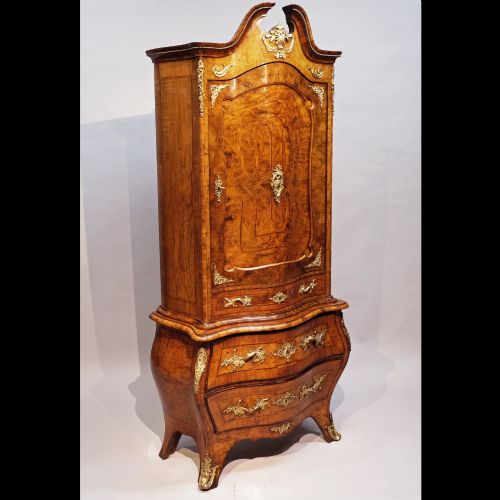
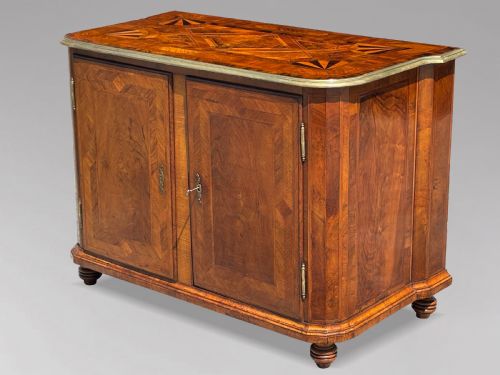
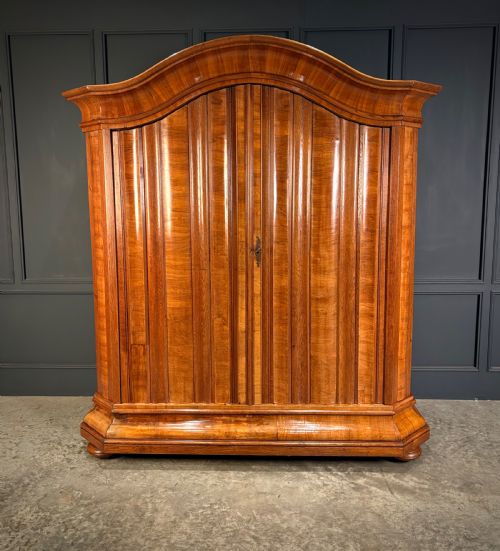
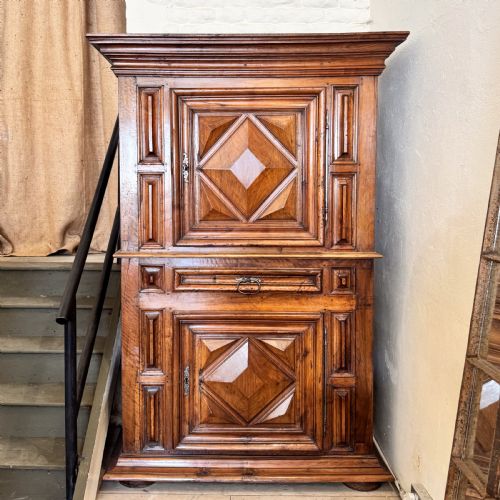
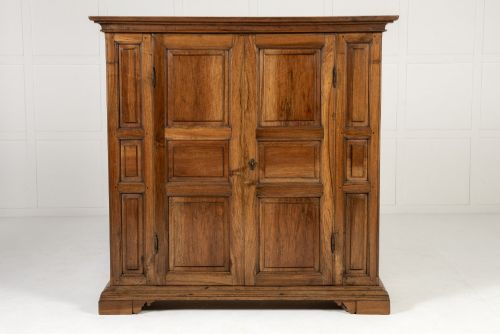

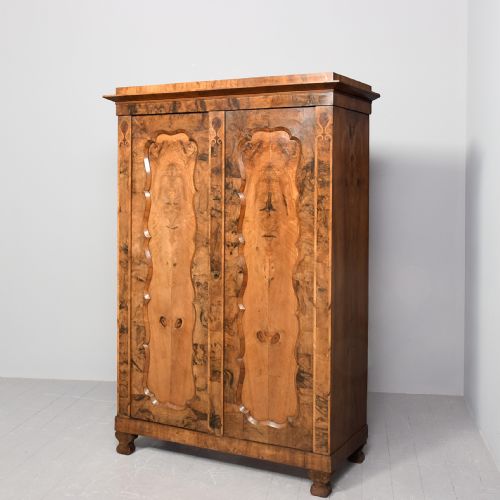

Continental Walnut Cabinet
A continental walnut cabinet brings substantial timber and deep grain into a room, offering practical storage through centuries-old European craftsmanship.
Continental Walnut Cabinet
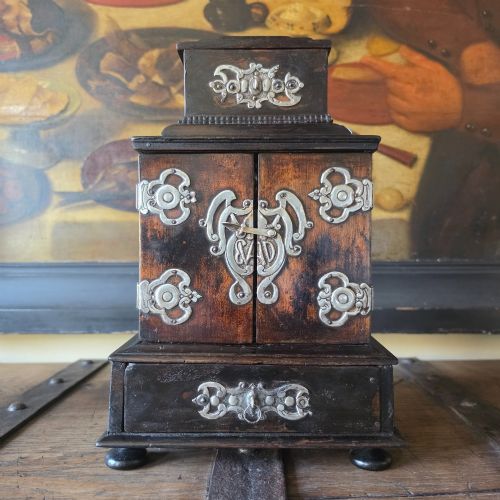
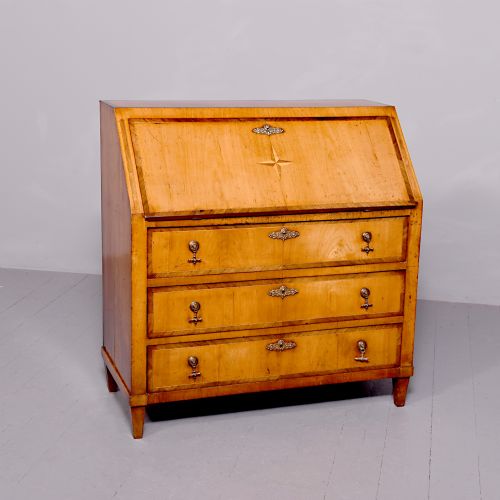
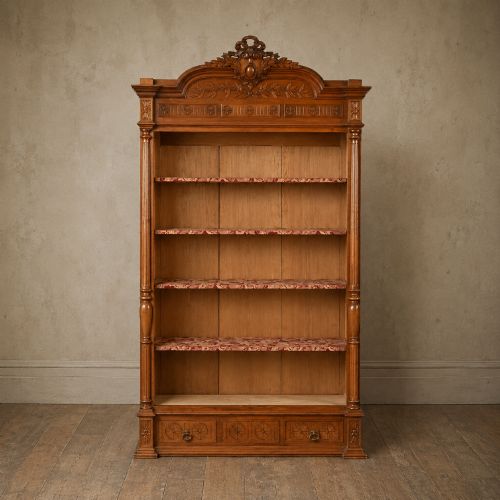
A continental walnut cabinet encompasses storage furniture originating from European workshops, spanning forms such as display cabinets, bureaus, sideboards, and chests of drawers. These pieces date primarily from the seventeenth, eighteenth, and nineteenth centuries, reflecting diverse regional aesthetics from Italy, Germany, France, and the Netherlands.
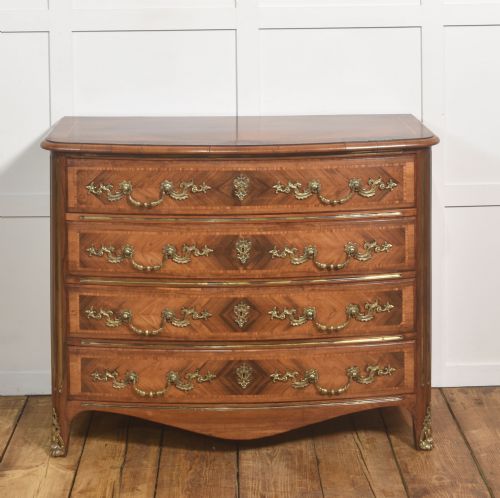
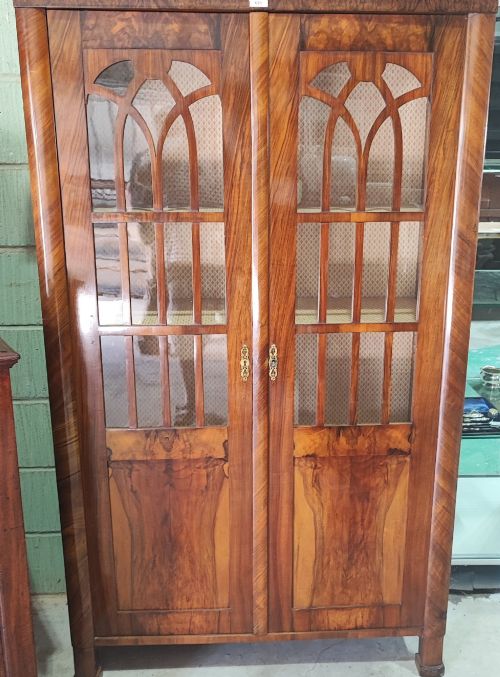
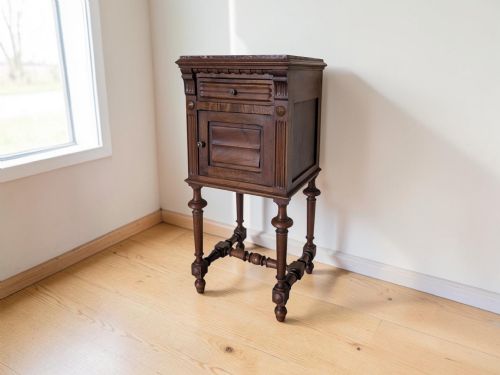
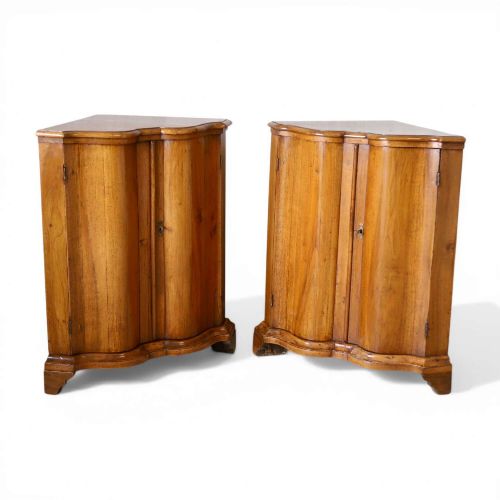
The version most commonly met on this page is the eighteenth-century Italian or nineteenth-century continental display or side cabinet, often constructed with rich wood figuring. Buyers also frequently encounter specialised variations including corner cupboards, armoires, and bedside cabinets equipped with marble tops.
The selection demonstrates considerable variety in regional style, ranging from austere early forms to ornate baroque and rococo expressions. Each piece serves as a functional storage vessel while displaying the characteristic warmth and dark tones of walnut timber.
How they were made
Construction relies heavily on solid walnut and burr walnut veneers applied to secondary timbers, utilising traditional joinery methods suited to large case furniture. Craftsmen selected timber for its decorative grain pattern, frequently employing book-matching techniques on drawer fronts and door panels.
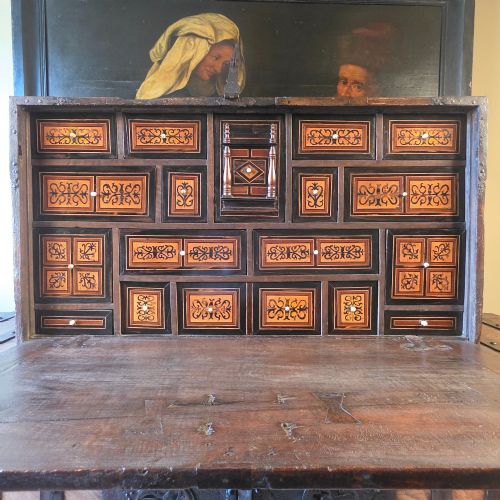
Surface ornamentation integrates marquetry, inlay, and carved detailing, sometimes accented with brass, ormolu, or marble elements depending on the period. French polishing or wax finishing protects the timber while accentuating the natural depth and figure of the walnut.
The inventory spans the seventeenth, eighteenth, and nineteenth centuries, extending into the nineteen-thirties.
What varies in quality
Quality in these cabinets rests upon the choice of timber and the precision of the veneer work, particularly how grain patterns align across doors and drawers. Superior examples display carefully selected burr walnut or intricate marquetry that remains stable and intact across large surfaces.
The sophistication of the internal construction, original hardware integration, and the crispness of carved or applied details distinguish finer workshops from standard production. Structural integrity in the joints and the preservation of original timber patination ultimately dictate the standing of a piece.
The Continental Walnut Cabinet Glossary
- Burr walnut
- Timber harvested from a growth on a walnut tree, yielding highly figured wood with swirling patterns prized for cabinet veneers. It creates a striking visual texture on door panels and drawer fronts.
- Marquetry
- The art of applying pieces of veneer to a structure to form decorative patterns and pictures. Craftsmen use various tinted woods to achieve pictorial depth.
- Bombe
- A swelling, outward-curving contour characteristic of certain continental case furniture, particularly chests and cabinets. This baroque shape requires advanced woodworking skill to construct accurately.
- Ormolu
- Gilt bronze mounts applied to furniture for decorative effect, common on nineteenth-century continental pieces. The metalwork is typically cast and chased before receiving a gold finish.
- Escritoire
- A writing cabinet or desk featuring a fall-front or sloping lid concealing small compartments and drawers. It represents a specialised form of continental storage furniture.
Continental Walnut Cabinet: Frequently Asked Questions
How do I clean walnut furniture?
Dust the timber regularly with a soft, dry cloth to prevent particulate buildup on the polish. Avoid modern silicone sprays, relying instead on traditional beeswax to nourish the wood.
Keep the cabinet away from direct sunlight and strong heat sources to prevent the walnut from drying out or splitting. Stable room humidity preserves both the solid timber and any delicate veneer work.
Where should I place a large cabinet?
Position the piece against a sturdy interior wall away from damp exterior surfaces and fluctuating radiator temperatures. Allow adequate clearance for doors and drawers to open fully without obstruction.
Consider the natural light in the room, as sunlight can alter the tone of nineteenth-century walnut over time. A stable floor surface ensures the heavy case structure remains level and doors hang true.
How do I identify seventeenth-century pieces?
Early pieces from the seventeen-hundreds typically display heavier solid timber construction, simpler joinery, and darker patination compared to later styles. Look for hand-cut joints and restrained geometric or inlaid decoration rather than heavy carving.
Hardware on these early cabinets is often hand-forged iron or early brass rather than modern cast replacements. The internal structure generally utilises native secondary woods consistent with the region of origin.
Are marble tops original?
Marble tops on bedside cabinets and commodes were commonly utilised in continental furniture production, particularly during the nineteenth century. These stone slabs provided durable, water-resistant surfaces for daily use.
Examine the seating of the marble within the timber frame to ensure it matches the period construction methods of the base cabinet. Edges may feature simple bevels or shaped profiles consistent with the regional style.